

**Fiber Cement Board** is a popular construction material made from a combination of cement, sand, and cellulose fibers. It is commonly used for exterior siding, interior cladding, and roofing underlay due to its durability and versatile properties. Here are the **key characteristics and advantages** of fiber cement boards:
### **1. Product Characteristics**
– **Composition**: It is made from a mix of cement, sand, and cellulose fibers, which are pressed and cured to form solid, dense sheets.
– **Durability**: Fiber cement is highly resistant to impact, moisture, fire, and extreme weather conditions.
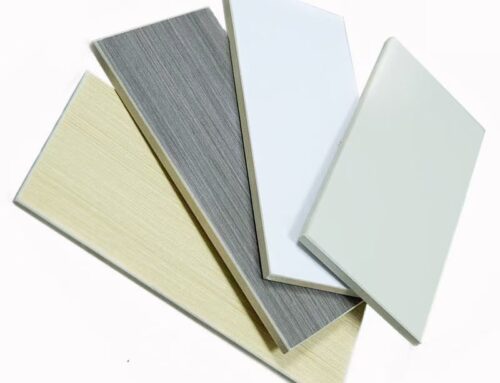
– **Appearance**: It can be manufactured to mimic the look of wood, stone, or stucco, offering a range of finishes and textures.
– **Water Resistance**: It is water-resistant, making it suitable for wet or humid areas, such as bathrooms or external cladding in rainy regions.
– **Fire Resistance**: Fiber cement is non-combustible, providing excellent fire resistance compared to wood or vinyl materials.
– **Dimensional Stability**: The board does not warp or crack under temperature changes, maintaining structural integrity.
– **Thickness & Sizes**: Fiber cement boards come in various thicknesses, typically ranging from 4 mm to 18 mm, and different sizes, making it adaptable to a wide range of construction needs.
### **2. Advantages of Fiber Cement Board**
– **Durability and Longevity**: Fiber cement boards are exceptionally durable, with a lifespan that can exceed 30-50 years. They resist rot, mold, and termite damage, unlike wood-based products.
– **Low Maintenance**: These boards require minimal maintenance, as they are resistant to common forms of wear like cracking, splitting, and fading.
– **Versatility**: Fiber cement boards can be used for a variety of applications, such as external cladding, soffits, ceilings, partition walls, and more. They can also be painted in different colors.
– **Environmental Friendliness**: The materials used in fiber cement are considered environmentally friendly, as they contain minimal volatile organic compounds (VOCs) and are often made from sustainable sources.
– **Energy Efficiency**: The board provides good insulation properties, which can contribute to better thermal efficiency and energy savings in buildings.
– **Weather Resistance**: Fiber cement boards hold up well under extreme weather conditions, including heavy rain, strong winds, and freeze-thaw cycles, without degrading.
– **Pest Resistance**: Unlike wood, fiber cement is not susceptible to damage by insects such as termites.
– **Cost-effectiveness**: While fiber cement is more expensive than vinyl or plywood, its long lifespan and low maintenance requirements make it cost-effective in the long run.
These characteristics and advantages make fiber cement board a reliable choice for both residential and commercial construction projects, particularly in climates that demand high durability and resistance to moisture and fire.


 English


Leave A Comment