

Fiber cement board offers several **advantages** over other common building materials such as wood, vinyl, gypsum, and plywood, making it a highly versatile and durable choice for construction. Below is a comparison of fiber cement boards with other materials:
### **1. Compared to Wood**
– **Durability**: Unlike wood, which is prone to rot, warping, and termite damage, fiber cement board is highly resistant to these issues. It does not degrade over time when exposed to moisture or insects.
– **Fire Resistance**: Fiber cement is non-combustible, whereas wood is highly flammable. This makes fiber cement much safer for fire-prone areas.
– **Maintenance**: Fiber cement requires far less maintenance than wood, which needs regular painting or staining to protect it from weathering.
– **Cost**: While fiber cement may have a higher initial cost than wood, its long lifespan and low maintenance requirements make it more cost-effective over time.
### **2. Compared to Vinyl**
– **Durability and Strength**: Fiber cement is much stronger and more durable than vinyl siding, which can crack, warp, or fade under extreme weather conditions. Vinyl is also more susceptible to damage from impact.
– **Fire Resistance**: Fiber cement is far more fire-resistant than vinyl, which can melt or catch fire in high-heat situations.
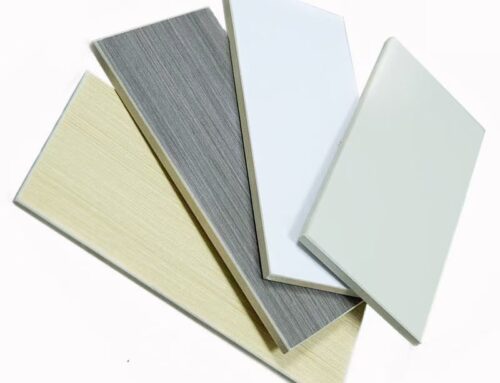
– **Aesthetics**: Fiber cement boards can mimic the appearance of wood, stone, or stucco, providing more premium aesthetics compared to vinyl, which often looks less natural.
– **Environmental Impact**: Fiber cement is generally more eco-friendly than vinyl, which is made from PVC (a type of plastic that’s less sustainable).
### **3. Compared to Gypsum Board (Drywall)**
– **Water Resistance**: Fiber cement board is highly water-resistant, making it suitable for exterior applications and wet environments (bathrooms, kitchens, etc.), while gypsum board is vulnerable to water damage, mold, and mildew.
– **Durability**: Fiber cement is much tougher than gypsum board, which is easily damaged by impact or pressure. It can be used in high-traffic or exterior areas, whereas gypsum is best suited for interior walls and ceilings.
– **Fire Resistance**: Both fiber cement and gypsum board offer good fire resistance, but fiber cement tends to have a higher fire rating due to its cement content.
### **4. Compared to Plywood**
– **Moisture Resistance**: Fiber cement board is significantly more resistant to moisture compared to plywood, which can swell, warp, or rot when exposed to water over time.
– **Insect Resistance**: Fiber cement is not susceptible to termites or other pests, unlike plywood, which requires treatment to resist such damage.
– **Fire Resistance**: Plywood is flammable, whereas fiber cement is non-combustible and has excellent fire resistance properties.
– **Longevity**: Fiber cement boards tend to have a much longer lifespan than plywood, especially in exterior applications where exposure to weather is a factor.
### **5. Compared to OSB (Oriented Strand Board)**
– **Water and Moisture Resistance**: Fiber cement board is far superior in resisting water compared to OSB, which is prone to swelling and warping when exposed to moisture.
– **Durability**: While OSB is commonly used for structural sheathing, it can degrade over time if not properly protected. Fiber cement is much more durable in exterior conditions and doesn’t require as much protection.
– **Fire Resistance**: OSB is flammable, whereas fiber cement offers excellent fire resistance, making it a safer option for fire-prone areas.
### **6. Compared to Metal Siding**
– **Cost**: Fiber cement is generally less expensive than metal siding. Metal can be costly to install and maintain, especially when repairs are needed.
– **Impact Resistance**: Fiber cement handles impact (from debris, hail, or accidents) better than some types of metal siding, which can dent easily.
– **Thermal Insulation**: Fiber cement provides better thermal insulation than metal, which can conduct heat and cold, leading to higher energy costs in extreme climates.
– **Aesthetics**: Fiber cement offers more design versatility, especially in imitating natural materials like wood or stone, whereas metal has a more industrial or modern look.
### **Summary of Advantages of Fiber Cement Board**
– **Superior Durability**: Resistant to moisture, pests, and rot, unlike wood or plywood.
– **Fire Resistance**: Non-combustible, outperforming materials like wood, vinyl, and OSB.
– **Low Maintenance**: Requires less upkeep than wood, vinyl, or metal.
– **Long Lifespan**: Typically lasts 30 to 50 years, making it a more sustainable option over the long term.
– **Aesthetic Versatility**: Can replicate the look of wood, stone, or stucco while offering better performance.
– **Environmental Benefits**: Fiber cement is considered more eco-friendly than vinyl or plastic-based materials.
Overall, fiber cement board offers a balanced combination of durability, fire resistance, moisture protection, and aesthetics, making it superior to many traditional building materials for a wide variety of applications.


 English


Leave A Comment