

- Durability
– WPC vs. Wood: Unlike natural wood, WPC panels are highly resistant to moisture, termites, and rot, which makes them far more durable in humid or outdoor environments. Wood can warp, swell, or decay over time, while WPC maintains its structural integrity for decades with minimal maintenance.
– WPC vs. PVC: PVC panels are also durable, but they may become brittle over time, especially when exposed to UV light or extreme temperatures. WPC, with its combination of wood fibers and plastic, is more robust and less prone to cracking.
– WPC vs. Metal: Metal panels may corrode or rust over time, especially in moist or coastal environments. WPC, being a composite material, does not rust, offering better long-term durability in such conditions.
- Moisture Resistance
– WPC vs. Wood: WPC is water-resistant and can be used in wet or damp environments without the risk of swelling, warping, or rotting, unlike natural wood. This makes it ideal for bathrooms, kitchens, or outdoor cladding.
– WPC vs. PVC: Both WPC and PVC offer excellent moisture resistance, but WPC is more stable in fluctuating temperatures and less prone to cracking under stress.
– WPC vs. Metal: While metals are generally resistant to moisture, they can corrode if not properly treated. WPC has no such issues and requires no special treatment to remain water-resistant.
- Pest Resistance
– WPC vs. Wood: WPC is highly resistant to termites and other pests due to the plastic content. Natural wood, on the other hand, is susceptible to termite attacks unless treated with chemicals, which increases the cost and maintenance burden.
– WPC vs. PVC/Metal: Neither PVC nor metal are susceptible to pests, but WPC provides a more natural look compared to these materials, with the added advantage of pest resistance.
- Low Maintenance
– WPC vs. Wood: Natural wood requires regular maintenance, including painting, staining, sealing, and treating for pests. WPC, in contrast, needs minimal upkeep—just occasional cleaning with water and mild detergent.
– WPC vs. PVC: While PVC also requires low maintenance, it may fade or become brittle with long-term exposure to the sun. WPC is more resistant to UV rays, ensuring long-lasting color and structural integrity.
– WPC vs. Metal: Metal requires treatments to prevent corrosion or rusting, especially in outdoor settings. WPC, on the other hand, is not susceptible to these issues and thus requires less care over time.
- Aesthetic Appeal
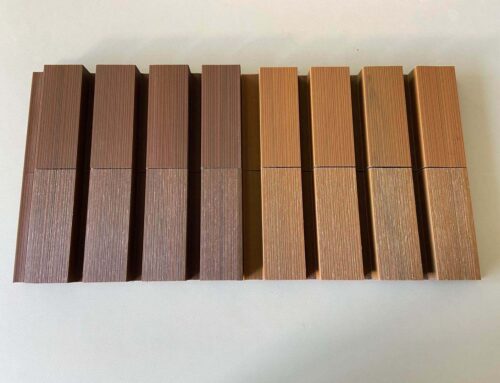
– WPC vs. Wood: WPC panels can mimic the natural look and feel of wood but without the flaws of real wood, such as knots, splits, or grain inconsistencies. WPC is also available in a wider range of colors, textures, and finishes, offering greater design flexibility.
– WPC vs. PVC: WPC offers a more natural, wood-like appearance compared to the more artificial, plastic look of PVC panels. This makes WPC more aesthetically pleasing for interior and exterior wall cladding.
– WPC vs. Metal: Metal panels have a more industrial look, which may not suit all environments. WPC provides a more natural and warmer aesthetic, suitable for both residential and commercial spaces.
- Environmental Sustainability
– WPC vs. Wood: WPC is often made from recycled wood fibers and plastic, reducing the need for deforestation and minimizing waste. In contrast, natural wood requires cutting down trees, which has a more significant environmental impact.
– WPC vs. PVC/Metal: Both PVC and metal have higher environmental costs due to the energy-intensive production processes involved. WPC, being a blend of recycled materials, offers a more sustainable option, contributing to eco-friendly building practices.
- Thermal and Sound Insulation
– WPC vs. Wood: WPC offers better thermal and sound insulation compared to wood due to its composite structure. It helps in maintaining indoor temperature and reducing noise transmission.
– WPC vs. PVC: WPC generally provides better insulation than PVC, making it a more suitable choice for residential applications where temperature control and soundproofing are important.
– WPC vs. Metal: Metal panels are poor insulators, meaning they can easily transfer heat and cold, affecting indoor climate. WPC, by contrast, provides much better insulation properties.
- Fire Resistance
– WPC vs. Wood: WPC panels are more fire-resistant compared to natural wood. Fire retardant additives can be incorporated into WPC panels, making them safer in residential or commercial buildings.
– WPC vs. PVC: Both WPC and PVC have good fire resistance, but WPC can often withstand higher temperatures and doesn’t emit as many toxic fumes when exposed to fire as PVC does.
– WPC vs. Metal: Metal is highly fire-resistant, but WPC offers a balance of fire resistance and aesthetic appeal, which is a plus in interior applications.
- Cost Efficiency
– WPC vs. Wood: While WPC may have a higher upfront cost compared to low-end wood, it becomes more cost-effective over time due to its low maintenance, longer lifespan, and resistance to damage.
– WPC vs. PVC: WPC can be slightly more expensive than PVC, but it offers superior durability, better aesthetics, and lower maintenance costs, making it more cost-efficient in the long run.
– WPC vs. Metal: Metal panels can be more expensive than WPC, both in terms of material cost and installation. Additionally, metal’s higher maintenance requirements (e.g., rust prevention) can further increase long-term costs.
- Ease of Installation
– WPC vs. Wood: WPC panels are often designed with interlocking or tongue-and-groove systems, making them easier and quicker to install than traditional wood panels, which require more precision cutting and installation methods.
– WPC vs. PVC/Metal: Both PVC and metal can also be easy to install, but WPC’s lighter weight compared to metal, combined with its versatility, makes it a more convenient option for many applications.
Summary of Advantages of WPC Wall Panels
| Advantage | Compared to Wood | Compared to PVC | Compared to Metal |
|———————–|—————————————–|—————————————–|—————————————–|
| Durability | Superior, resistant to rot, pests | More robust, less brittle over time | Does not rust or corrode |
| Moisture Resistance| Water-resistant, won’t warp or swell | More stable in temperature changes | No risk of rusting |
| Pest Resistance | Naturally resistant to termites | Same, but offers a more natural look | Same, but offers warmer aesthetics |
| Low Maintenance | No need for regular painting or sealing | Requires less care over long-term | No need for anti-corrosion treatments |
| Aesthetic Appeal | Mimics wood, offers modern finishes | More natural-looking than PVC | Warmer and more versatile appearance |
| Environmental Impact| Made from recycled materials | More sustainable, recycled components | Lower energy use in production |
| Fire Resistance | More fire-resistant than wood | Similar, but less toxic fumes emitted | Good fire resistance with better looks |
| Cost Efficiency | Higher upfront but lower long-term cost | Better value over time | More affordable than high-end metals |

— Conclusion
WPC wall panels provide a unique combination of the natural look of wood, the durability of plastic, and the added benefits of easy maintenance and environmental sustainability. Compared to materials like wood, PVC, and metal, WPC panels excel in durability, moisture resistance, aesthetic versatility, and long-term cost-effectiveness, making them an ideal choice for modern construction and design.



 English


Leave A Comment