

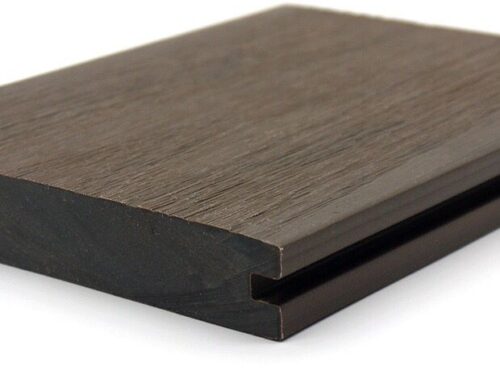
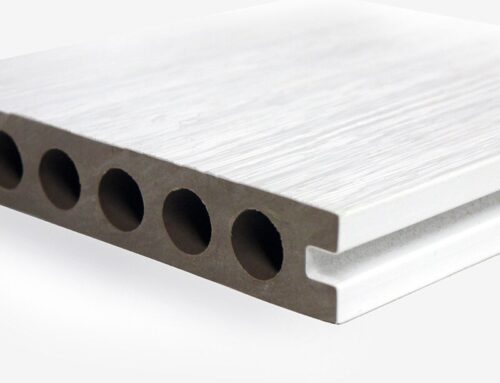
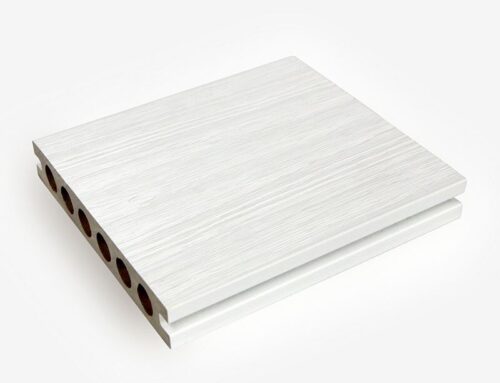
When comparing **WPC (Wood Plastic Composite) decking** and **solid wood decking** in terms of durability, **WPC decking** is generally more durable for outdoor applications. Here’s a breakdown of the key durability factors for both materials:
### 1. **Resistance to Environmental Factors**
– **WPC Decking**:
– **Moisture Resistance**: WPC is highly resistant to water and moisture, making it less likely to rot, warp, or splinter in wet or humid environments.
– **UV Resistance**: Many WPC products are designed to resist fading from UV exposure, making them less prone to color changes over time.
– **Insect Resistance**: WPC is not susceptible to termite or other insect damage since it contains plastic components.
– **Temperature Resistance**: WPC tends to withstand temperature fluctuations better than wood, reducing the likelihood of cracking or warping.
– **Solid Wood Decking**:
– **Moisture Vulnerability**: Natural wood, unless treated, can absorb moisture, leading to rot, warping, and swelling over time, especially in humid or wet conditions.
– **UV Exposure**: Wood is highly susceptible to fading and discoloration from prolonged sun exposure unless treated regularly with protective finishes.
– **Insect Damage**: Solid wood, particularly softer woods, can be vulnerable to termites, wood-boring insects, and decay unless chemically treated.
– **Temperature Fluctuations**: Wood is more likely to expand and contract with temperature changes, which can cause warping or cracking.
### 2. **Maintenance Requirements**
– **WPC Decking**:
– **Low Maintenance**: WPC requires very little maintenance. Occasional cleaning is usually enough to keep it in good condition. It doesn’t require sealing, staining, or painting.
– **Solid Wood Decking**:
– **High Maintenance**: Solid wood needs regular maintenance, including staining, sealing, and sanding, to protect against moisture, insects, and UV damage. Without this maintenance, its durability will decrease significantly over time.
### 3. **Lifespan**
– **WPC Decking**:
– **Longer Lifespan**: WPC decking generally lasts **20-30 years** or more with minimal maintenance. Its resistance to environmental damage significantly extends its lifespan.
– **Solid Wood Decking**:
– **Shorter Lifespan**: Depending on the type of wood and maintenance, solid wood decking typically lasts **10-15 years**. Hardwoods like ipe and teak can last longer (up to 25 years), but softwoods like pine or cedar degrade faster without regular treatment.
### 4. **Wear and Tear**
– **WPC Decking**:
– **Scratch and Stain Resistance**: WPC decking is generally more resistant to scratches and stains than natural wood, though it can still scratch if not properly cared for.
– **Solid Wood Decking**:
– **Scratches and Stains**: Wood is more prone to surface damage like scratches, gouges, and stains, especially from heavy foot traffic, furniture, or spilled substances.
### 5. **Eco-Friendliness**
– **WPC Decking**:
– Often made from recycled materials (both wood fibers and plastic), WPC can be more environmentally friendly than wood from an environmental perspective, especially if made from sustainable sources.
– **Solid Wood Decking**:
– If sourced from sustainably managed forests, wood is a renewable material. However, wood harvesting can have a larger environmental impact, and the need for treatments and chemicals can affect eco-friendliness.
### 6. **Cost and Durability**
– **WPC Decking**:
– **Higher Initial Cost**: WPC decking is generally more expensive upfront than most softwoods. However, its long lifespan and low maintenance often make it more cost-effective in the long term.
– **Solid Wood Decking**:
– **Lower Initial Cost**: Wood decking, especially softwoods like pine or cedar, is usually cheaper to install. However, ongoing maintenance costs (staining, sealing, repairs) add up over time.
### Conclusion:
**WPC decking** is generally more durable than solid wood decking due to its superior resistance to moisture, UV rays, insects, and temperature fluctuations. It also requires far less maintenance, has a longer lifespan, and offers better long-term durability, especially in outdoor or harsh environmental conditions.
On the other hand, **solid wood decking** can be a durable choice, particularly with harder woods like ipe or teak, but it requires regular upkeep to maintain its durability and aesthetic appeal. Without proper maintenance, solid wood decking can degrade faster than WPC.
For long-term durability and ease of care, WPC decking is the better choice. However, for those who prefer the natural look and feel of wood and are willing to maintain it, solid wood may be a more desirable option.

 English


Leave A Comment