

When installing WPC (Wood Plastic Composite) decking, several accessories are required to ensure a secure, stable, and professional-looking installation. These accessories are essential for both the structural integrity and the aesthetic finish of the deck. Below is a list of the most common accessories needed for WPC decking installation:
- Decking Joists (Support Structure)
– Material: Joists are typically made from WPC, aluminum, or treated wood.
– Purpose: They serve as the foundational support system on which the WPC decking boards are mounted. Joists ensure that the decking is stable, level, and properly spaced.
– Spacing: Joists should be spaced correctly (usually 12-16 inches apart) depending on the manufacturer’s recommendations.
- Plastic or Metal Clips and Screws
– Hidden Clips (Fasteners): These are used to securely attach the decking boards to the joists without visible screws, creating a clean and seamless look.
– Plastic Clips: Typically used for WPC decking and come in a matching color.
– Metal Clips: More durable and provide a stronger hold, often used for commercial installations or high-traffic areas.
– Screws: Stainless steel or galvanized screws are used to fix the clips to the joists. It’s important to use corrosion-resistant screws to avoid rusting over time.
- Starter Clips
– Purpose: These are used to install the first and last decking boards. They ensure the boards are tightly secured at the edges where standard clips may not fit.
– Material: Usually made from stainless steel or durable plastic.
- End Caps
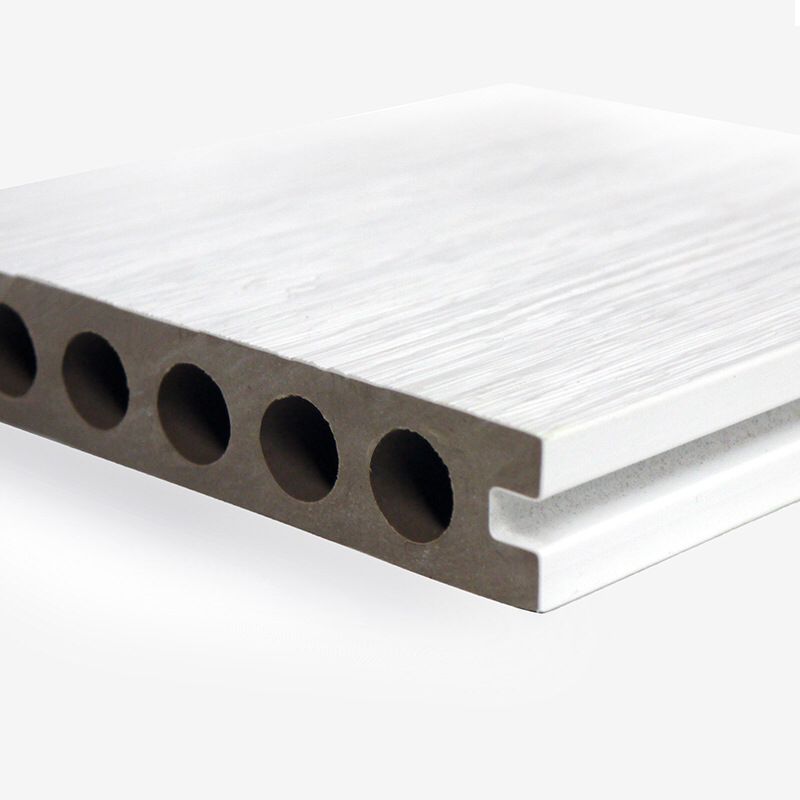
– Purpose: End caps are used to cover the open ends of hollow WPC decking boards, giving the deck a finished look and preventing moisture, dirt, or insects from entering the hollow chambers.
– Material: Typically made from plastic or WPC, matching the color of the decking.
- Edge Trims and Skirting Boards
– Edge Trims (L-Angle Trims): These trims are used to provide a clean, finished look at the edges of the decking, such as at the outer perimeter or step-downs.
– Skirting Boards: These boards are installed along the edges of the deck to cover the gaps between the decking and the ground or walls. They provide a smooth and professional finish to the deck’s base.
– Material: Made from WPC or matching materials to complement the decking.
- Expansion Gaps Spacers
– Purpose: Spacers are used to maintain uniform gaps between decking boards to allow for thermal expansion and contraction. This prevents warping or buckling during temperature changes.
– Spacing: The gaps should be in line with the manufacturer’s guidelines, typically around 5-7mm between boards.
- Joist Protection Tape (Optional)
– Purpose: Joist protection tape is used to cover the top of the joists, protecting them from moisture and prolonging their life by preventing rot.
– Material: A self-adhesive, waterproof membrane that can be easily applied to the joist tops.
- Adjustable Decking Pedestals or Supports (Optional)
– Purpose: These are used to elevate and level the decking if it is installed over an uneven surface. Adjustable pedestals allow for easy height adjustment and can help achieve a perfectly level deck.
– Material: Typically made from plastic or metal and can be used on concrete, rooftops, or other solid surfaces.
- Joist Hangers (Optional)
– Purpose: Joist hangers are metal brackets that support the joists, especially at the deck’s perimeter or when connecting joists to other structural supports.
– Material: Galvanized or stainless steel for rust resistance.
- Drainage Mat (Optional)
– Purpose: A drainage mat is placed under the decking to promote water drainage and airflow, preventing water accumulation and extending the life of the decking.
– Material: Made from synthetic rubber or plastic mesh.
- Lighting Accessories (Optional)
– LED Deck Lights: If you plan to install deck lighting, ensure you have the necessary fixtures, wiring, and connectors for integrating lights into the deck surface or steps.
– Cable Management: Proper cable conduits or channels are necessary to hide the wiring neatly under the decking.
- Post Anchors and Railing Systems (Optional for Raised Decks)
– Purpose: If the WPC decking is part of a raised deck, you’ll need post anchors and railing systems to ensure safety.
– Post Anchors: These hold the deck’s posts in place and are embedded into the concrete or base structure.
– Railing Systems: Choose a railing system that complements the WPC decking, which can be made from WPC, aluminum, or glass for modern designs.
- Leveling Tools and Measuring Equipment
– Spirit Level: To ensure the decking is installed level and flat.
– Measuring Tape: For precise measurements of the decking boards and joists.
– Chalk Line: Used for marking straight lines on joists to guide the alignment of the decking boards.
- Sealants and Adhesives (Optional)
– Sealants: Waterproof sealants can be used on the edges of the decking or any cut ends to provide extra moisture protection.
– Adhesives: Sometimes used in addition to screws and clips for added bonding strength, especially in areas prone to movement or high traffic.
—
By using these accessories, you can ensure a well-constructed, aesthetically pleasing, and long-lasting WPC deck. Always follow the manufacturer’s installation guide to ensure that all components are compatible and properly installed.

Leave A Comment