
SPC (Stone Plastic Composite) flooring has gained popularity for its unique blend of durability, aesthetic appeal, and practicality. Here are some key characteristics and advantages:
Characteristics:
- Composition: SPC flooring is made from a combination of limestone and PVC, giving it a sturdy, dense core.
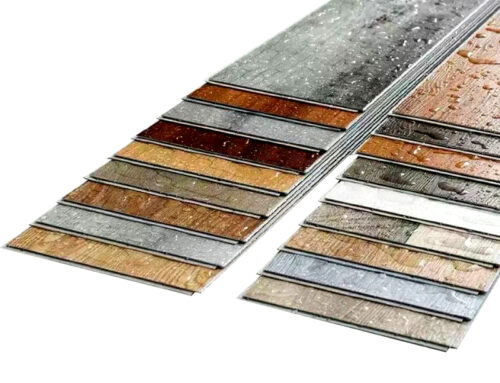
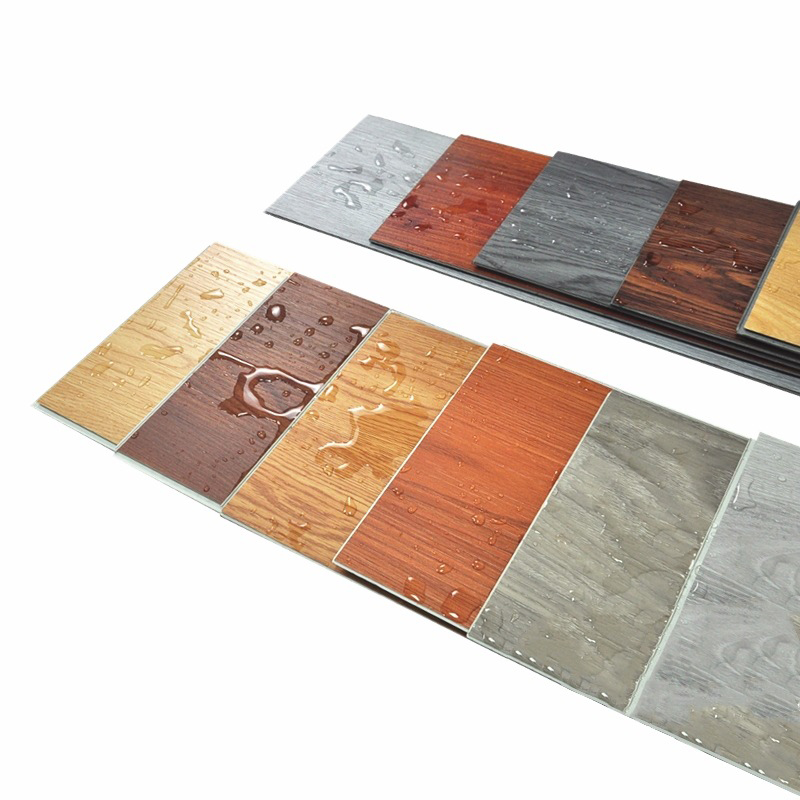
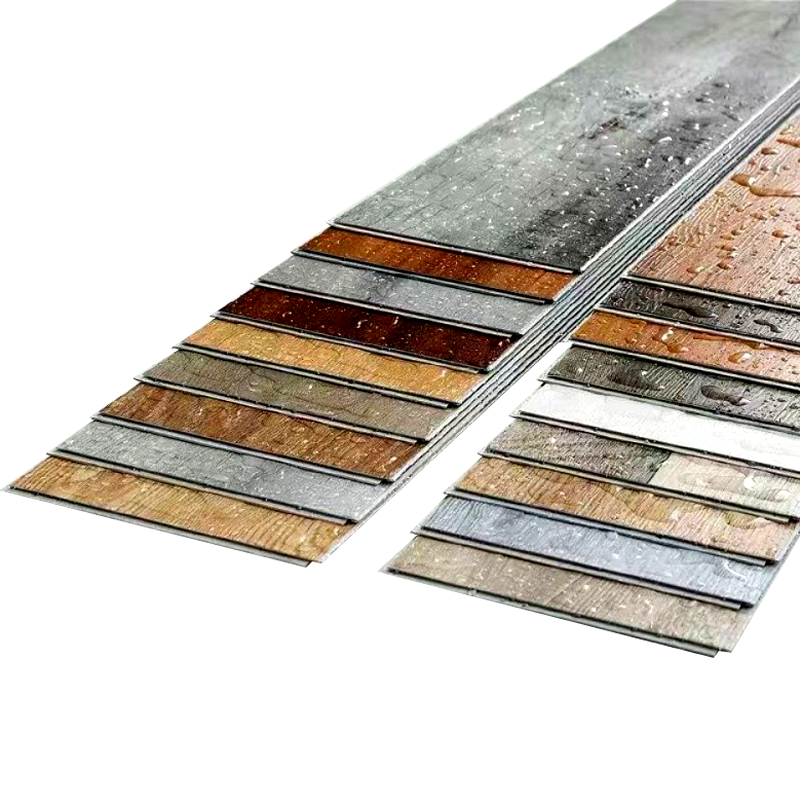
- Water Resistance: It is highly resistant to water, making it suitable for areas prone to moisture, such as kitchens and bathrooms.
- Thickness: Typically, SPC flooring ranges from 4mm to 8mm in thickness, providing a solid feel underfoot.
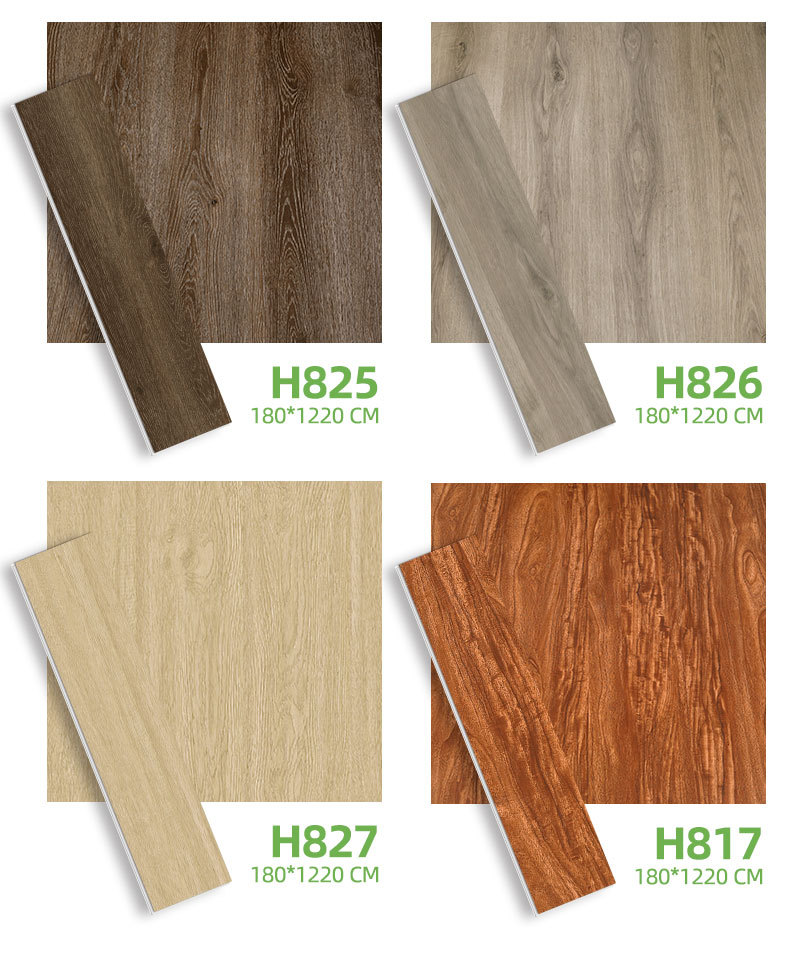
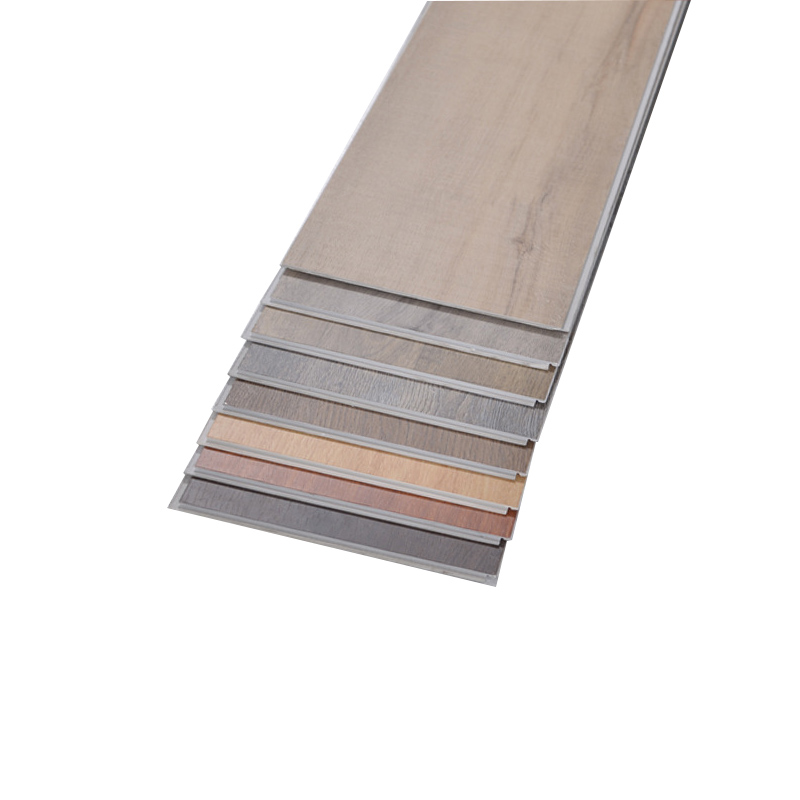
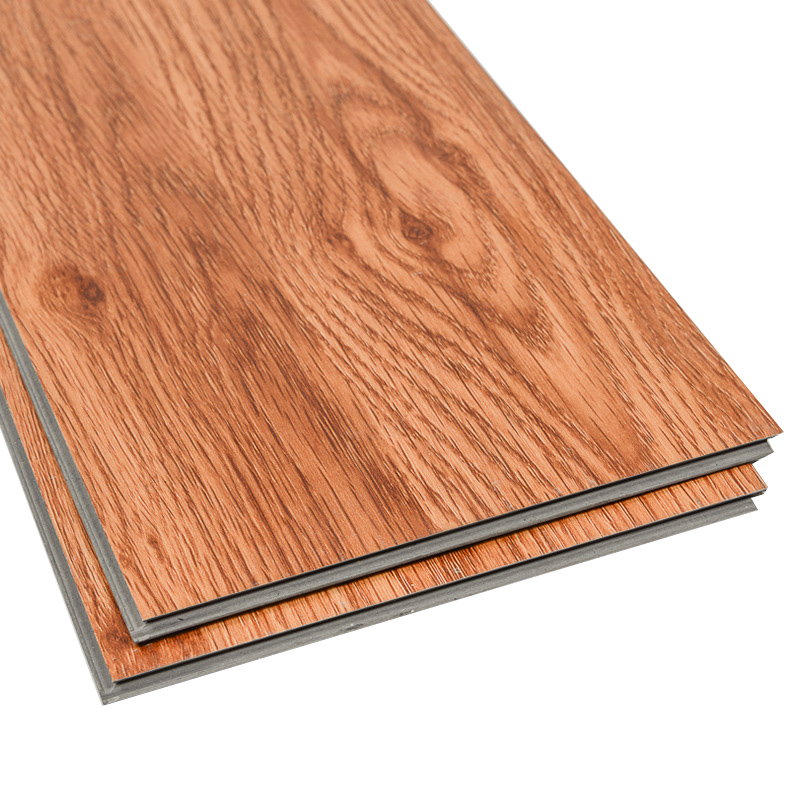
- Design Options: Available in a variety of colors, patterns, and finishes that mimic natural wood or stone.
- Click Lock System: Many SPC products feature a click-lock installation system for easy, glue-free installation.
- Noise Reduction: Often equipped with a foam backing, SPC flooring can help reduce sound transmission.
Advantages:
- Durability: SPC flooring is scratch-resistant, dent-resistant, and can withstand heavy foot traffic, making it ideal for both residential and commercial spaces.
- Easy Maintenance: It requires minimal upkeep—regular sweeping and occasional mopping are usually sufficient.
- Comfort: The material offers a softer feel underfoot compared to traditional tiles or hardwood, making it more comfortable to stand on for extended periods.
- Eco-Friendly Options: Some SPC flooring products are made from recycled materials and are free from harmful chemicals like formaldehyde.
- Affordability: Generally, SPC flooring is more budget-friendly compared to other flooring types like hardwood or ceramic tiles.
- Easy Installation: The click-lock feature allows for quick and straightforward installation, often without the need for professional help.
Overall, SPC flooring combines aesthetics, functionality, and ease of use, making it a popular choice for a variety of settings.



Leave A Comment