

SPC (Stone Plastic Composite) flooring is generally more durable than solid wood flooring, especially when it comes to certain factors like water resistance, scratch resistance, and overall maintenance. Here’s a detailed comparison of the durability of both flooring types:
- Water Resistance
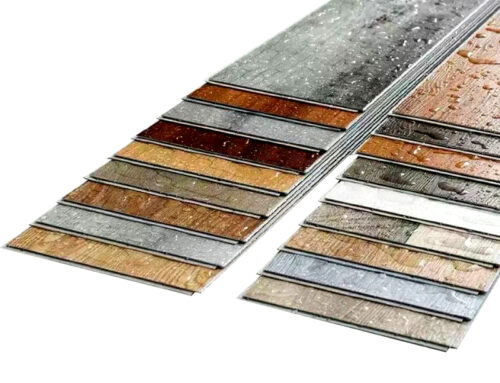
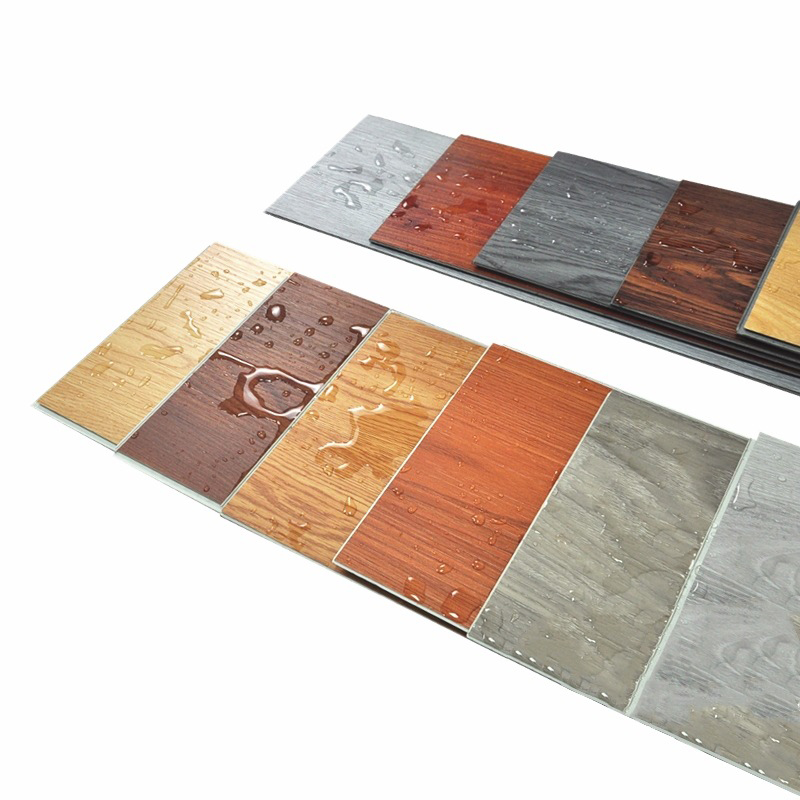
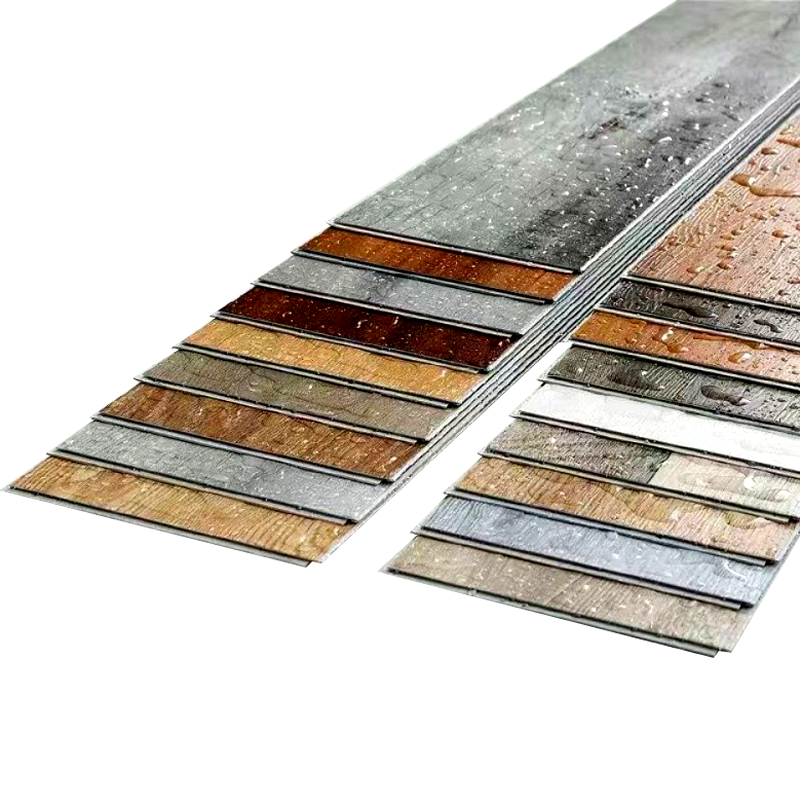
– SPC Flooring: 100% waterproof due to its stone-plastic core. It can be installed in moisture-prone areas such as bathrooms, kitchens, basements, and laundry rooms without worrying about warping, swelling, or damage from water exposure.
– Solid Wood Flooring: Highly sensitive to moisture and water. Solid wood can warp, swell, or crack if exposed to water or high humidity for prolonged periods. It is not recommended for bathrooms or basements.
Winner: SPC flooring is far more durable in water-prone environments.
- Scratch and Dent Resistance
– SPC Flooring: The rigid core and wear layer make SPC highly resistant to scratches, dents, and general wear, especially in high-traffic areas. It’s also more resistant to pet claws and furniture marks.
– Solid Wood Flooring: While solid wood can be sanded and refinished multiple times, it is prone to scratches, dents, and gouges, especially from furniture, pets, or high heels.
Winner: SPC flooring is more resistant to scratches and dents than solid wood.
- Durability in High-Traffic Areas
– SPC Flooring: SPC is designed to withstand heavy foot traffic without showing much wear and tear. It performs well in commercial spaces or busy households with kids and pets.
– Solid Wood Flooring: Over time, high-traffic areas can develop visible wear patterns, scratches, and dulling of the finish. While solid wood can be refinished to restore its appearance, it is more sensitive to heavy foot traffic.
Winner: SPC flooring is better suited for high-traffic areas due to its rigid core and tough wear layer.
- Impact Resistance
– SPC Flooring: SPC’s rigid core provides good resistance to impact. It is less likely to crack or dent under heavy objects or if something is dropped on it.
– Solid Wood Flooring: While wood is naturally strong, it can dent or crack under heavy objects or impact. Some species of wood are harder than others, but solid wood is generally more prone to damage from heavy items or dropping something sharp.
Winner: SPC flooring offers better impact resistance.
- Maintenance and Refinishing
– SPC Flooring: Requires minimal maintenance. It does not need refinishing or special treatments, and regular sweeping and mopping are enough to keep it in good condition.
– Solid Wood Flooring: Over time, solid wood needs refinishing to restore its original look. It can be sanded and refinished multiple times, but this process is time-consuming and costly.
Winner: SPC flooring is easier to maintain and does not require refinishing.
- Temperature and Humidity Resistance
– SPC Flooring: It’s highly resistant to temperature and humidity fluctuations due to its stable core. It doesn’t expand or contract significantly, making it ideal for various climates.
– Solid Wood Flooring: Solid wood expands and contracts with changes in temperature and humidity. This can lead to gaps, warping, or buckling over time, especially in areas with significant seasonal changes.
Winner: SPC flooring is more stable and durable in fluctuating temperatures and humidity levels.
- Longevity
– SPC Flooring: With proper care, SPC flooring can last 15-20 years in residential settings, but it may not be as long-lasting as solid wood when it comes to overall lifespan.
– Solid Wood Flooring: Solid wood can last decades or even centuries if properly maintained and refinished. While it requires more maintenance, it has the advantage of being refinished multiple times, which can extend its lifespan significantly.
Winner: Solid wood flooring has the potential to last longer due to its ability to be refinished, although it is more maintenance-intensive.
Conclusion:
– SPC flooring is more durable in terms of water resistance, scratch resistance, impact resistance, and maintenance. It’s a better choice for homes with pets, kids, or heavy traffic and for areas prone to moisture.
– Solid wood flooring offers greater longevity if properly maintained and refinished over time, but it requires more care and is less durable in terms of scratches, moisture, and environmental changes.
If durability and low maintenance are your main priorities, SPC flooring is the better choice. If longevity and the timeless appeal of natural wood are more important, solid wood flooring may be worth the investment despite its need for ongoing care.
SPC (Stone Plastic Composite) flooring is generally more durable than solid wood flooring, especially when it comes to certain factors like water resistance, scratch resistance, and overall maintenance. Here’s a detailed comparison of the durability of both flooring types:
- Water Resistance
– SPC Flooring: 100% waterproof due to its stone-plastic core. It can be installed in moisture-prone areas such as bathrooms, kitchens, basements, and laundry rooms without worrying about warping, swelling, or damage from water exposure.
– Solid Wood Flooring: Highly sensitive to moisture and water. Solid wood can warp, swell, or crack if exposed to water or high humidity for prolonged periods. It is not recommended for bathrooms or basements.
Winner: SPC flooring is far more durable in water-prone environments.
- Scratch and Dent Resistance
– SPC Flooring: The rigid core and wear layer make SPC highly resistant to scratches, dents, and general wear, especially in high-traffic areas. It’s also more resistant to pet claws and furniture marks.
– Solid Wood Flooring: While solid wood can be sanded and refinished multiple times, it is prone to scratches, dents, and gouges, especially from furniture, pets, or high heels.
Winner: SPC flooring is more resistant to scratches and dents than solid wood.
- Durability in High-Traffic Areas
– SPC Flooring: SPC is designed to withstand heavy foot traffic without showing much wear and tear. It performs well in commercial spaces or busy households with kids and pets.
– Solid Wood Flooring: Over time, high-traffic areas can develop visible wear patterns, scratches, and dulling of the finish. While solid wood can be refinished to restore its appearance, it is more sensitive to heavy foot traffic.
Winner: SPC flooring is better suited for high-traffic areas due to its rigid core and tough wear layer.
- Impact Resistance
– SPC Flooring: SPC’s rigid core provides good resistance to impact. It is less likely to crack or dent under heavy objects or if something is dropped on it.
– Solid Wood Flooring: While wood is naturally strong, it can dent or crack under heavy objects or impact. Some species of wood are harder than others, but solid wood is generally more prone to damage from heavy items or dropping something sharp.
Winner: SPC flooring offers better impact resistance.
- Maintenance and Refinishing
– SPC Flooring: Requires minimal maintenance. It does not need refinishing or special treatments, and regular sweeping and mopping are enough to keep it in good condition.
– Solid Wood Flooring: Over time, solid wood needs refinishing to restore its original look. It can be sanded and refinished multiple times, but this process is time-consuming and costly.
Winner: SPC flooring is easier to maintain and does not require refinishing.
- Temperature and Humidity Resistance
– SPC Flooring: It’s highly resistant to temperature and humidity fluctuations due to its stable core. It doesn’t expand or contract significantly, making it ideal for various climates.
– Solid Wood Flooring: Solid wood expands and contracts with changes in temperature and humidity. This can lead to gaps, warping, or buckling over time, especially in areas with significant seasonal changes.
Winner: SPC flooring is more stable and durable in fluctuating temperatures and humidity levels.
- Longevity
– SPC Flooring: With proper care, SPC flooring can last 15-20 years in residential settings, but it may not be as long-lasting as solid wood when it comes to overall lifespan.
– Solid Wood Flooring: Solid wood can last decades or even centuries if properly maintained and refinished. While it requires more maintenance, it has the advantage of being refinished multiple times, which can extend its lifespan significantly.
Winner: Solid wood flooring has the potential to last longer due to its ability to be refinished, although it is more maintenance-intensive.
Conclusion:
– SPC flooring is more durable in terms of water resistance, scratch resistance, impact resistance, and maintenance. It’s a better choice for homes with pets, kids, or heavy traffic and for areas prone to moisture.
– Solid wood flooring offers greater longevity if properly maintained and refinished over time, but it requires more care and is less durable in terms of scratches, moisture, and environmental changes.
If durability and low maintenance are your main priorities, SPC flooring is the better choice. If longevity and the timeless appeal of natural wood are more important, solid wood flooring may be worth the investment despite its need for ongoing care.



Leave A Comment