

WPC (Wood Plastic Composite) wall panels offer several unique characteristics and advantages that make them a popular choice for both interior and exterior applications. Here’s a detailed overview of their product characteristics and benefits:
Key Characteristics of WPC Wall Panels
- Material Composition:
– WPC wall panels are made from a combination of wood fibers (usually recycled wood) and plastic (such as recycled polyethylene or polypropylene), typically in a 60-70% wood and 30-40% plastic ratio.
– This composition combines the natural look of wood with the durability and resistance of plastic.
- Durability:
– WPC wall panels are extremely durable and can withstand harsh environmental conditions like extreme temperatures, humidity, and UV exposure. They are resistant to rot, decay, and cracking, making them ideal for long-term use.
- Waterproof and Moisture Resistant:
– WPC panels have excellent water-resistant properties due to the plastic component, making them suitable for areas with high moisture or humidity, such as bathrooms, kitchens, and exterior walls.
- Pest and Termite Resistance:
– Unlike natural wood, WPC is resistant to termites and other pests, as the plastic in the material makes it unappealing to insects.
- Fire Retardant:
– Many WPC products are treated with fire-retardant additives, making them more resistant to fire compared to natural wood.
- Aesthetic Appeal:
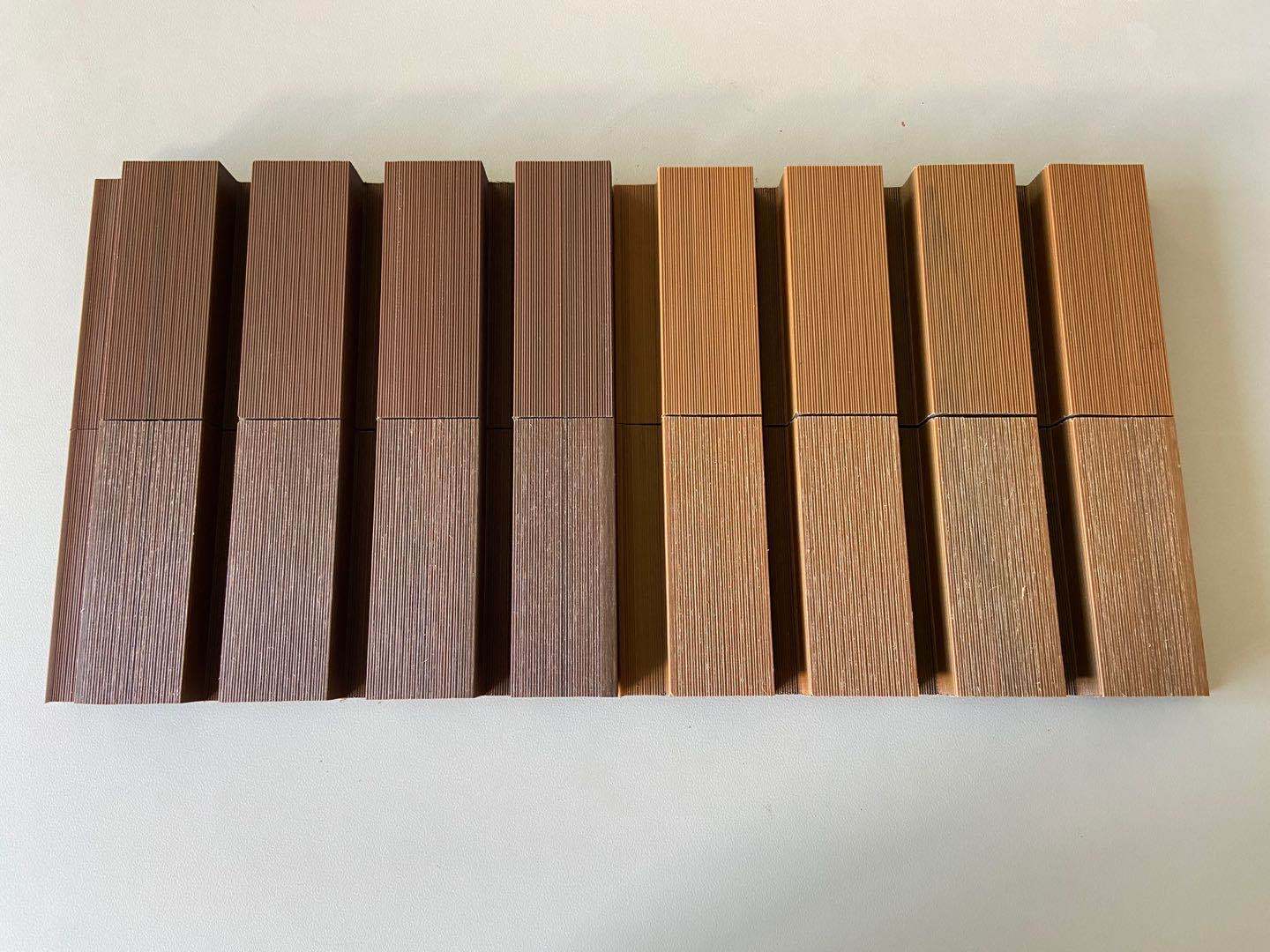
– WPC wall panels mimic the look and texture of natural wood but come in various colors, patterns, and finishes. They can achieve different design aesthetics, from modern to rustic, depending on the installation method and finishing options.
- Eco-Friendly:
– WPC is often made from recycled wood and plastic, making it an environmentally friendly material. The manufacturing process is also more sustainable as it reduces the need for deforestation and plastic waste.
- UV Resistance:
– WPC wall panels are UV resistant, meaning they are less likely to fade or discolor when exposed to sunlight, making them suitable for exterior cladding applications.
- Low Maintenance:
– WPC requires minimal maintenance. It doesn’t need regular painting, staining, or sealing like natural wood and only requires occasional cleaning to maintain its appearance.
- Easy Installation:
– WPC wall panels often come in interlocking or tongue-and-groove systems, making them easy to install for both professionals and DIY enthusiasts. They can be installed on various surfaces, including wood, concrete, and metal.
- Thermal and Sound Insulation:
– WPC wall panels provide excellent thermal and sound insulation, making them suitable for both residential and commercial applications where comfort and energy efficiency are important.
—
Advantages of WPC Wall Panels
- Enhanced Durability:
– WPC wall panels are far more durable than traditional wood. They resist the elements, wear, and damage over time, offering a long-lasting solution for wall cladding in both indoor and outdoor environments.
- Moisture Resistance:
– One of the biggest advantages of WPC wall panels is their resistance to moisture. Unlike wood, they do not swell, warp, or rot when exposed to water, making them ideal for bathrooms, kitchens, basements, and outdoor facades.
- Low Maintenance:
– WPC panels require little to no maintenance. Unlike wood, which requires periodic staining, painting, or sealing, WPC panels maintain their look for years with only occasional cleaning using soap and water.
- Termite and Pest Proof:
– The plastic component in WPC wall panels makes them resistant to termites, insects, and pests that typically damage wood, reducing maintenance costs and extending the product’s life.
- Environmental Sustainability:
– WPC is often made from recycled materials, which reduces the demand for new wood and plastics. It also cuts down on plastic waste, contributing to environmental sustainability. Additionally, it doesn’t require harmful chemicals for preservation.
- Aesthetic Versatility:
– WPC wall panels are available in a wide range of textures, colors, and designs, offering the look of natural wood, stone, or other materials without the high cost or maintenance associated with them. This allows for versatile design options in various settings.
- Fire Resistance:
– WPC wall panels offer better fire resistance than traditional wood, making them safer for residential and commercial buildings.
- Cost-Effective:
– While the upfront cost of WPC panels may be higher than some traditional materials, the long-term cost savings from reduced maintenance, longer lifespan, and energy efficiency make them more cost-effective over time.
- Easy and Quick Installation:
– The design of WPC panels, including interlocking systems, makes them easy and quick to install, reducing labor costs. They can also be installed over existing surfaces, saving time and effort in renovations.
- Resistant to Fading and Weathering:
– WPC panels are designed to withstand the effects of UV radiation and weathering. They maintain their color and structural integrity over time, even in outdoor applications, without requiring painting or sealing.
—
Applications of WPC Wall Panels
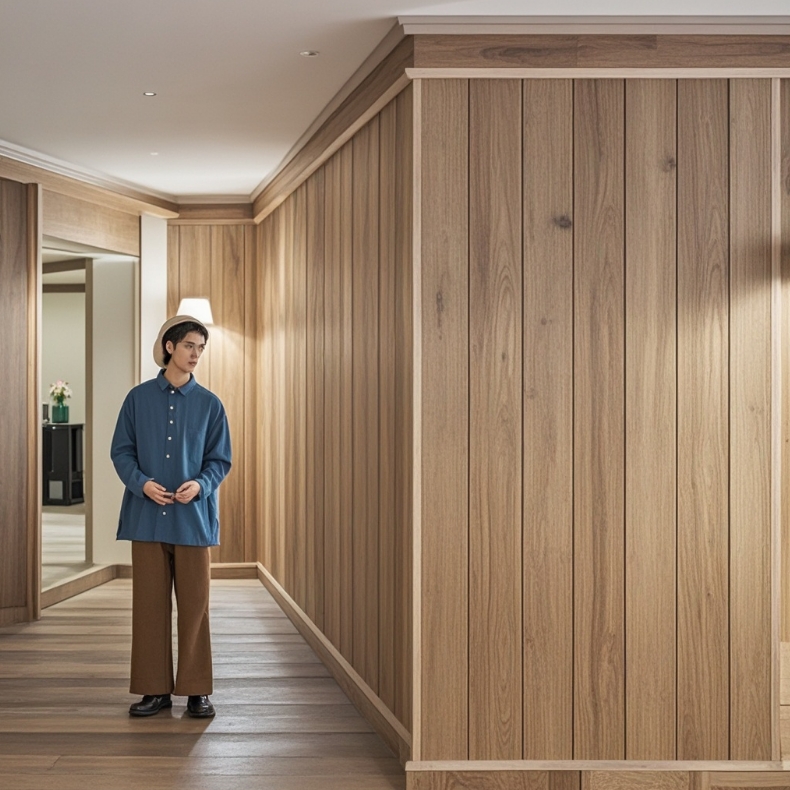
– Interior Wall Cladding: Ideal for bathrooms, kitchens, living rooms, and other indoor spaces where a stylish, low-maintenance wall solution is needed.
– Exterior Cladding: WPC panels are widely used for building facades, outdoor walls, balconies, and fences due to their durability and weather resistance.
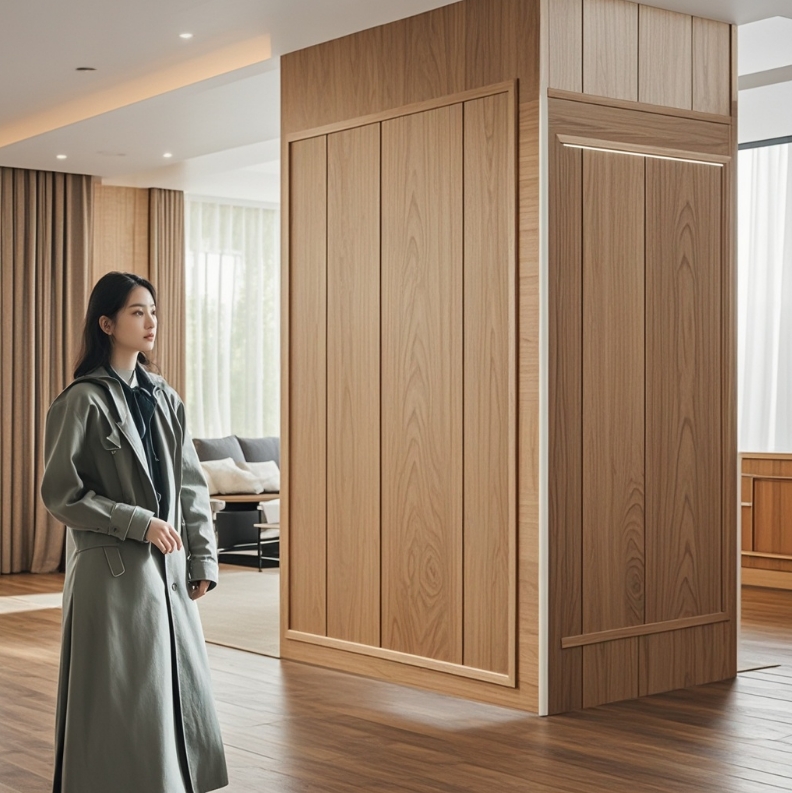
– Commercial Spaces: Commonly used in office buildings, retail stores, and hotels for both aesthetic and functional purposes.
– Decorative Accent Walls: WPC panels are perfect for creating decorative feature walls in both residential and commercial interiors.
—
Conclusion
WPC wall panels offer a combination of the aesthetic appeal of natural wood with the durability and low maintenance of plastic, making them an excellent choice for both interior and exterior applications. Their resistance to moisture, pests, and environmental wear, along with their eco-friendly composition, make them a preferred material for modern construction and renovation projects.




Leave A Comment