
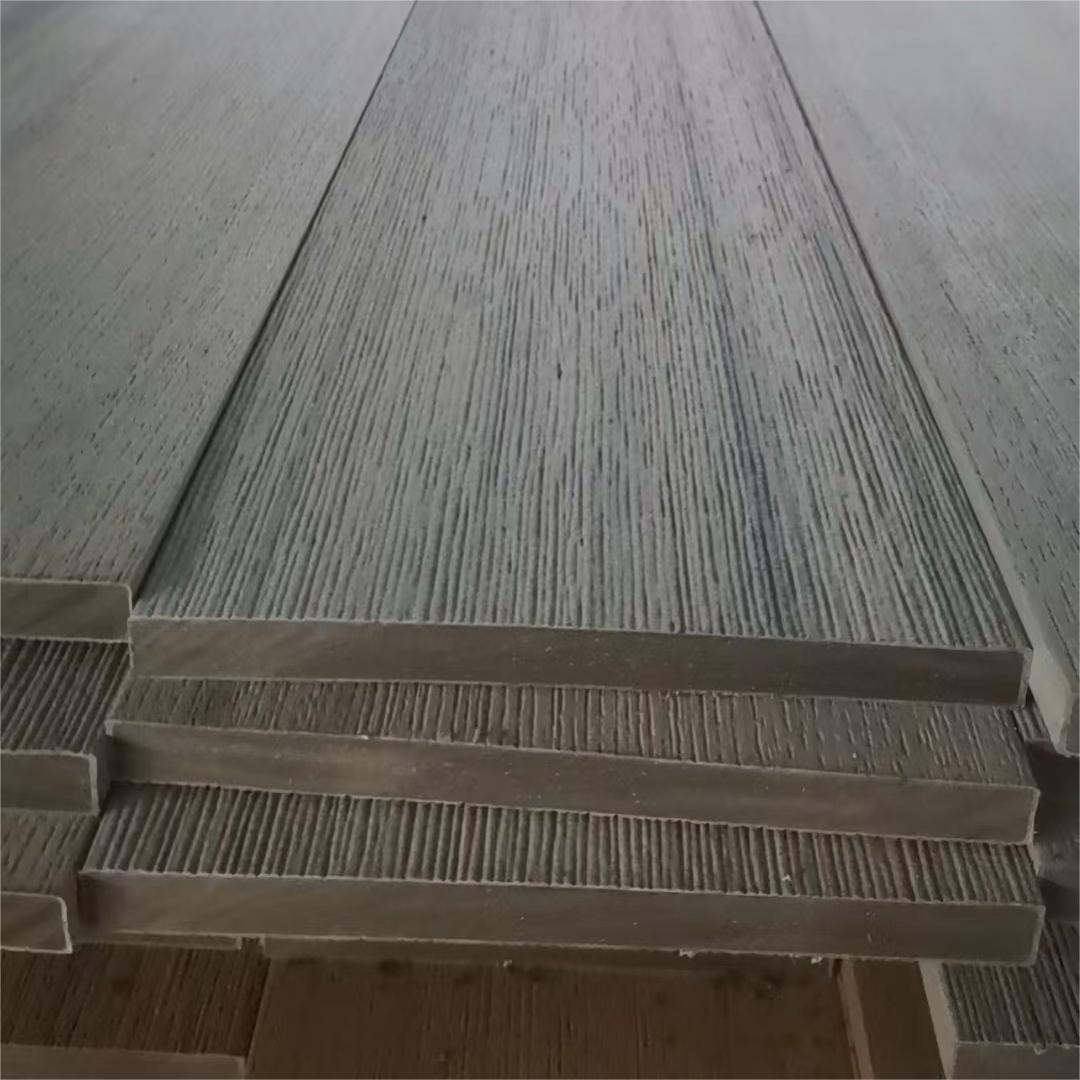
WPC (Wood Plastic Composite) decking is a popular alternative to traditional wood decking, made by combining wood fibers with plastic. Here are the key characteristics and advantages of WPC decking:
Product Characteristics:
- Material Composition:
– Made from a combination of wood fibers or sawdust and thermoplastic resins (like polyethylene, polypropylene, or PVC).
– May include additives for color, UV protection, and improved durability.
- Appearance:
– Resembles natural wood but with a more uniform and finished look.
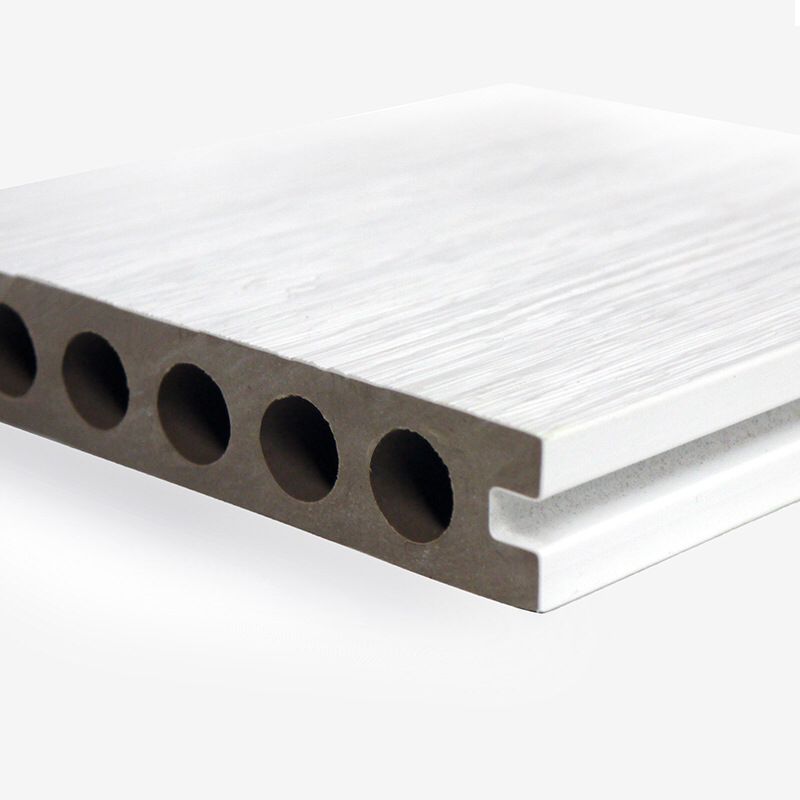
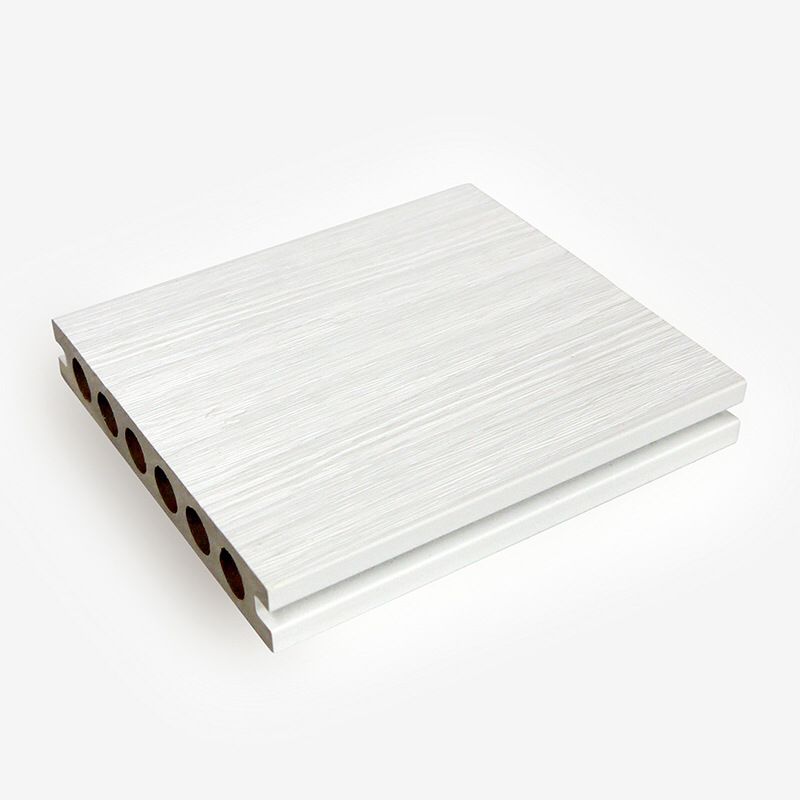
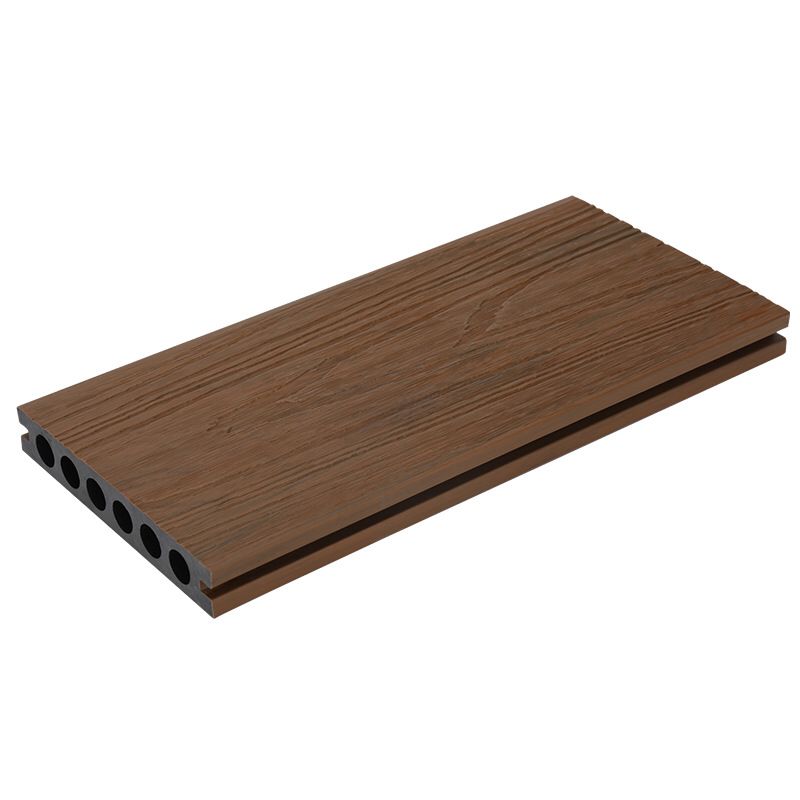
– Available in a wide range of colors, textures, and finishes.
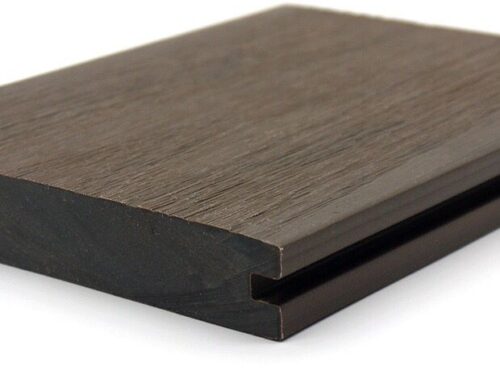
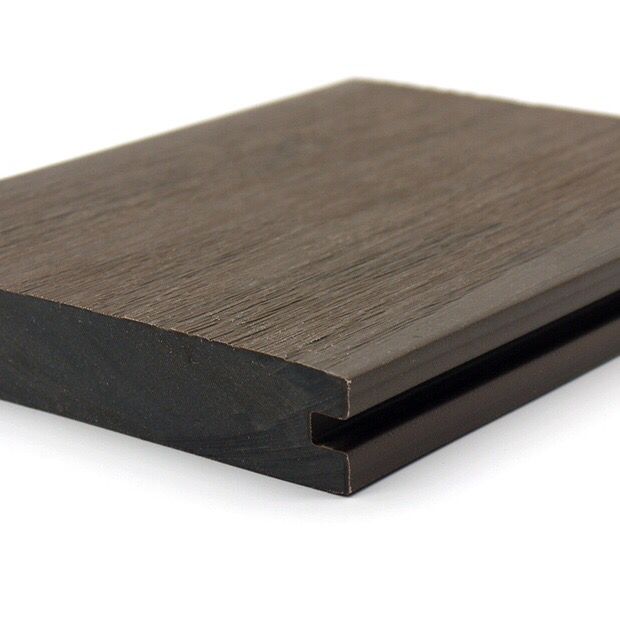
– Some WPC decking features wood grain patterns for a more authentic wood-like appearance.
- Durability:
– Resistant to rot, mold, and insect damage due to the plastic content.
– Less prone to cracking, warping, or splintering compared to natural wood.
- Moisture Resistance:
– Offers higher water and moisture resistance than traditional wood.
– Suitable for use in humid or wet environments, such as around pools and in coastal areas.
- Low Maintenance:
– Requires little to no sanding, staining, or painting over time.
– Easy to clean with soap and water, or a pressure washer.
- Eco-friendliness:
– Often made from recycled materials (both wood and plastic), contributing to sustainability.
– Some WPC products are 100% recyclable.
- Installation:
– Easy to install with common decking tools.
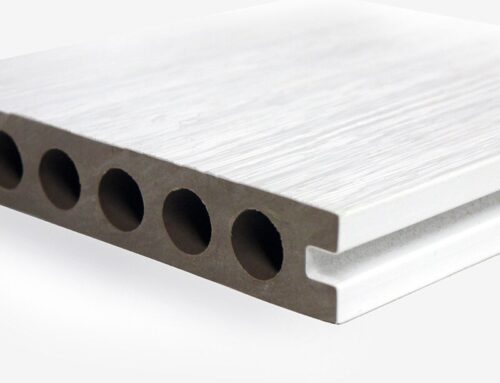
– Available in interlocking or screw-fastened systems for straightforward assembly.
Advantages:
- Longer Lifespan:
– WPC decking tends to last longer than traditional wood decking, typically 20+ years.
– Less vulnerable to environmental wear and tear.
- Low Maintenance:
– Requires much less maintenance compared to natural wood, saving time and money over its lifespan.
– No need for regular treatments or sealants.
- Resistance to Elements:
– Excellent resistance to moisture, UV rays, insects, and mold.
– Suitable for areas with harsh weather conditions or high humidity levels.
- Environmental Impact:
– WPC decking is eco-friendly, often utilizing recycled materials, reducing the need for cutting down trees.
– Can be recycled after its lifecycle, lowering waste.
- Cost-Effectiveness:
– Though initially more expensive than wood, the long-term savings on maintenance and repairs make WPC decking more cost-effective over time.
- Non-Slip Surface:
– Some WPC decking comes with anti-slip finishes, making it a safer choice for outdoor spaces, especially in wet conditions.
- Aesthetic Flexibility:
– Available in various colors and textures, giving homeowners flexibility in designing outdoor spaces without worrying about fading or staining.
In summary, WPC decking combines the beauty of natural wood with the durability of plastic, offering an attractive, long-lasting, and low-maintenance solution for outdoor decking projects.

Leave A Comment