

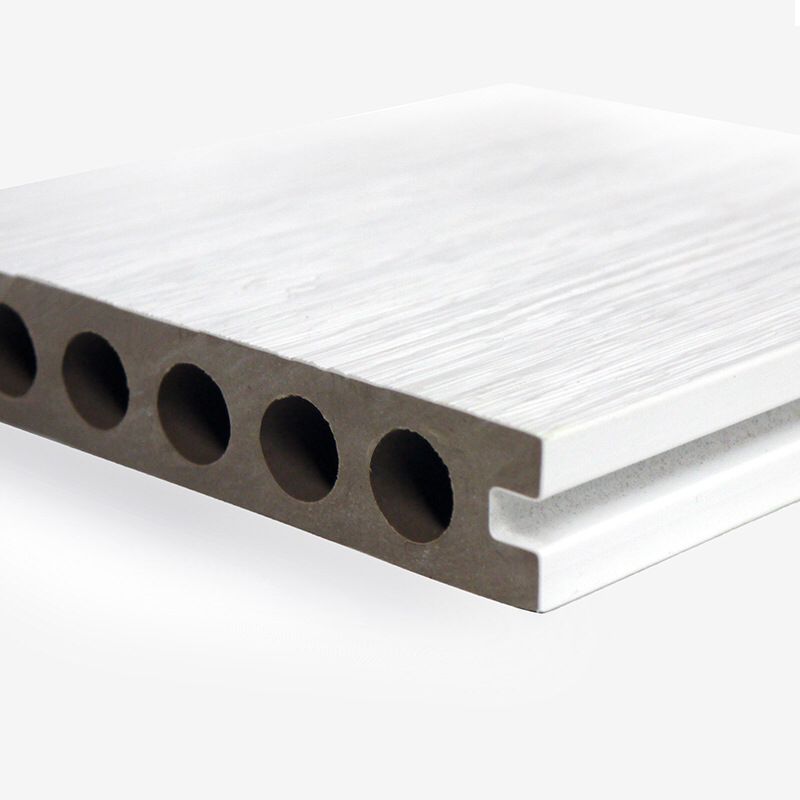
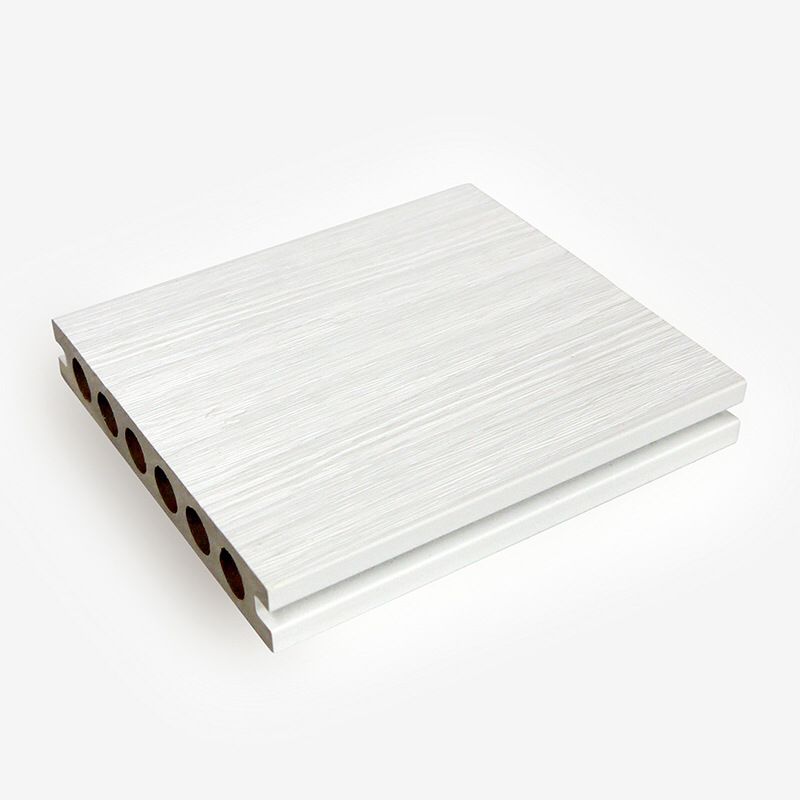
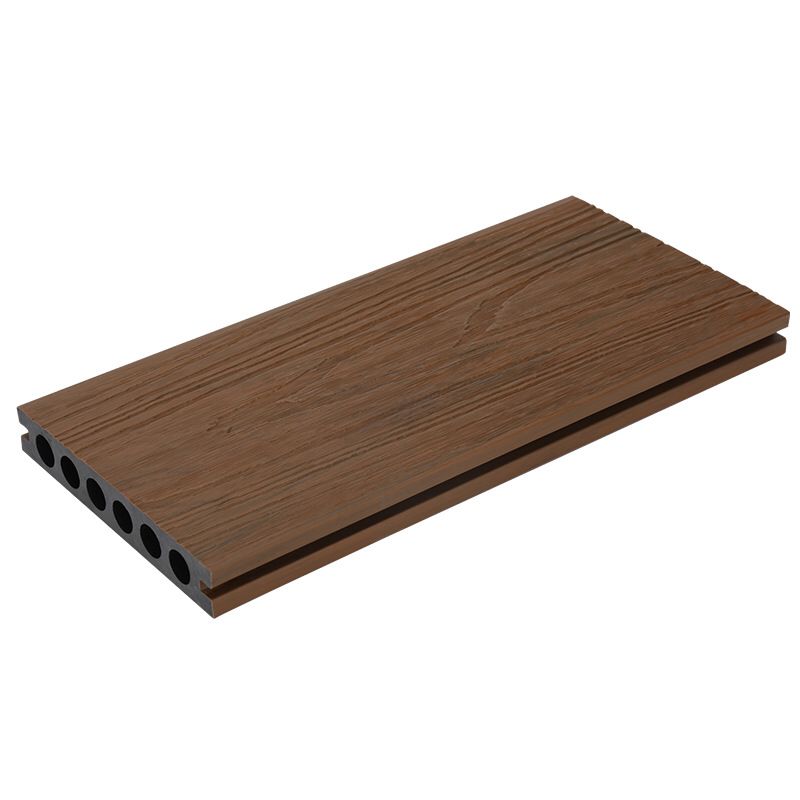
WPC (Wood Plastic Composite) decking offers several advantages compared to other traditional and modern decking materials, such as natural wood, PVC (plastic), and aluminum. Here’s how WPC decking compares in key areas:
1. Compared to Natural Wood
Advantages of WPC Decking:
- Low Maintenance:
- Unlike wood, WPC doesn’t require regular staining, sealing, or painting. It only needs occasional cleaning with soap and water.
- Durability:
- WPC decking is highly resistant to rot, splintering, warping, and insect damage, common issues with natural wood.
- Moisture and Weather Resistance:
- WPC is water-resistant and ideal for wet or humid environments, whereas wood can absorb moisture, leading to swelling, cracking, or mold growth.
- Longer Lifespan:
- WPC decking typically lasts 20-30 years, while natural wood may need replacement or significant repairs within 10-15 years, especially in harsh conditions.
- Eco-friendliness:
- WPC decking often uses recycled wood fibers and plastics, reducing the need for virgin lumber and contributing to sustainability. Additionally, it can be recycled at the end of its life.
Disadvantages of Wood:
- Requires regular maintenance (e.g., sanding, staining, sealing).
- Prone to termites, rot, and decay over time.
- Shorter lifespan in harsh environments.
2. Compared to PVC (Plastic) Decking
Advantages of WPC Decking:
- Natural Appearance:
- WPC decking has a more wood-like appearance and texture than PVC decking, which often looks and feels like plastic.
- Better Temperature Resistance:
- WPC remains cooler to the touch in direct sunlight compared to PVC decking, which can become quite hot and uncomfortable to walk on.
- Strength and Stability:
- WPC is generally more rigid and durable than PVC, reducing the chances of bending or warping under heavy loads or high temperatures.
Disadvantages of PVC:
- Pure plastic look can be less appealing aesthetically.
- Can become brittle and warp in extreme temperatures.
- Often more slippery when wet compared to WPC.
3. Compared to Aluminum Decking
Advantages of WPC Decking:
- Cost:
- WPC decking is usually much more affordable than aluminum decking, which is one of the most expensive decking options.
- Aesthetic Appeal:
- WPC mimics the look of natural wood, offering a warmer and more organic appearance than aluminum, which can look industrial and cold.
- Less Heat Retention:
- WPC does not absorb as much heat as aluminum, making it more comfortable to walk on in hot climates.
Disadvantages of Aluminum:
- Can be noisy underfoot.
- The metallic look may not fit every design style.
- Higher upfront cost.
4. Compared to Composite Decking (Traditional Composites)
Traditional composite decking is similar to WPC but made purely from recycled plastics without the addition of wood fibers. Here’s how WPC stands out:
Advantages of WPC Decking:
- More Natural Feel and Appearance:
- The addition of wood fibers gives WPC a more natural look and texture compared to plastic-only composites.
- Increased Stability:
- WPC’s wood fibers improve dimensional stability, making it less likely to expand or contract with temperature changes compared to pure plastic composites.
Disadvantages of Traditional Composites:
- Less natural wood-like aesthetics.
- May warp more in extreme heat.
5. Compared to Bamboo Composite Decking
Advantages of WPC Decking:
- Greater Availability:
- WPC is more widely available and recognized globally, while bamboo composites are less common and more region-specific.
- Better Weather Resistance:
- Bamboo-based composites can absorb more moisture and may require more protective coatings to resist the elements.
Disadvantages of Bamboo Composites:
- Limited market availability and higher costs in some regions.
- Less moisture resistance compared to WPC.
Summary of Advantages of WPC Decking:
- Low Maintenance: Requires minimal upkeep compared to wood and other materials.
- Durability: Resistant to rot, warping, splintering, and insects, giving it a longer lifespan.
- Water and Weather Resistance: Ideal for wet or humid environments, outperforming wood in these conditions.
- Cost-Effective: Offers a good balance between price and long-term value, more affordable than high-end options like aluminum.
- Eco-Friendly: Made from recycled materials, reducing environmental impact.
- Aesthetic Versatility: Available in a range of colors, textures, and finishes, closely resembling the natural beauty of wood.
- Slip Resistance: Many WPC products have slip-resistant surfaces, making them safer in wet conditions.
WPC decking combines the best features of wood and plastic, offering a versatile, durable, and low-maintenance option for outdoor spaces.

Leave A Comment