

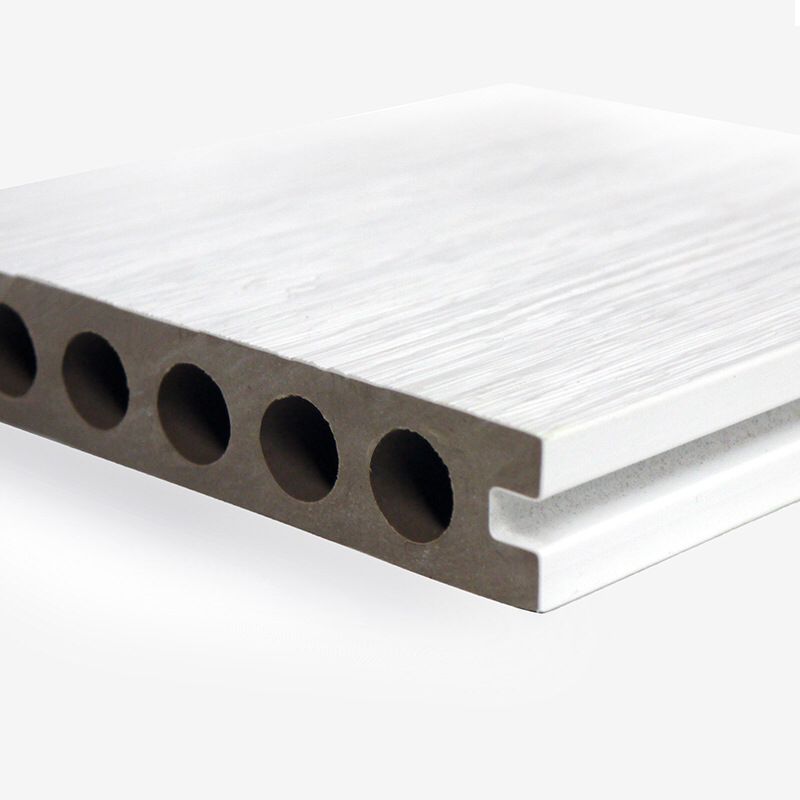
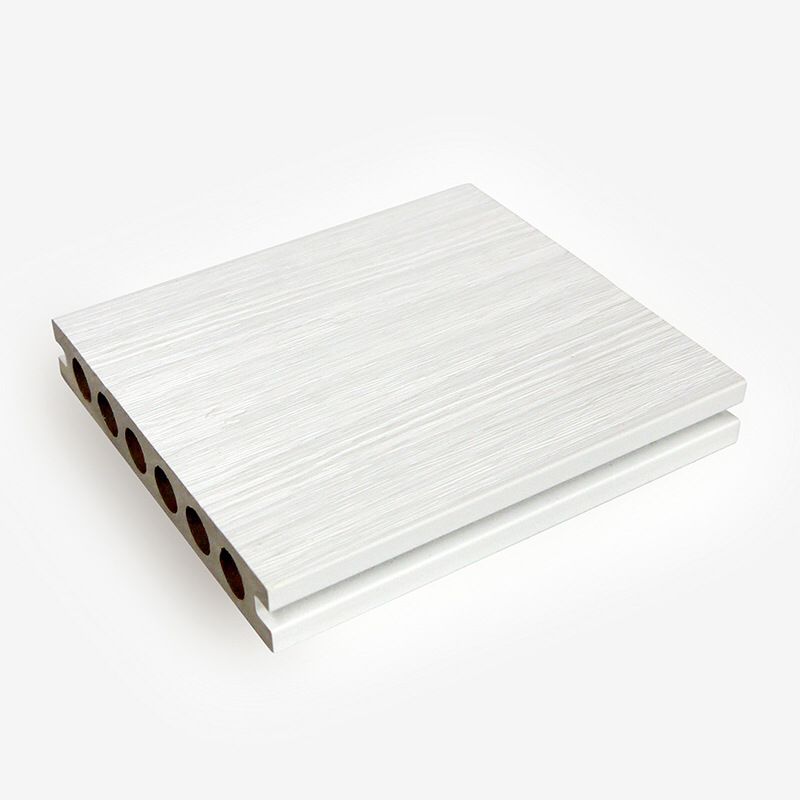
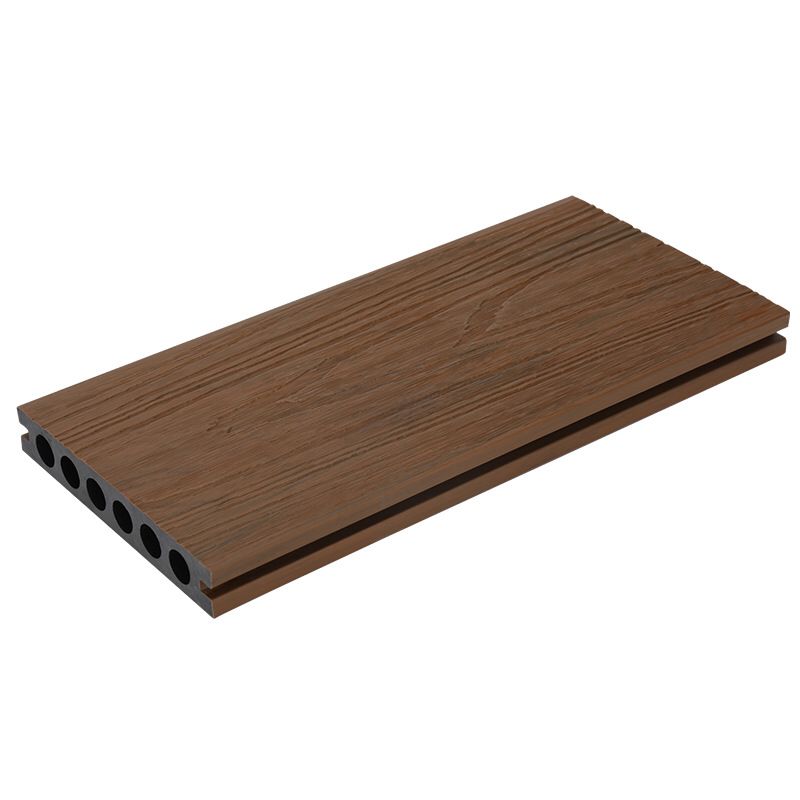
Cleaning and maintaining **WPC (Wood Plastic Composite) decking** is essential for preserving its appearance and ensuring its longevity. Here’s a comprehensive guide on how to effectively clean and maintain WPC decking:
### **Cleaning WPC Decking**
1. **Regular Sweeping**
– Use a broom or leaf blower to regularly sweep away dirt, leaves, and debris. This prevents buildup that can trap moisture and promote mold or mildew growth.
2. **Gentle Washing**
– **Mild Soap Solution**: Mix a solution of mild soap (such as dish soap) and warm water.
– **Soft-Bristle Brush**: Use a soft-bristle brush to scrub the surface of the decking gently. Pay special attention to textured areas and grooves.
– **Rinse Thoroughly**: After scrubbing, rinse the decking thoroughly with clean water to remove any soap residue.
3. **Remove Stains Promptly**
– **Food and Drink Spills**: Wipe up spills (such as food or beverages) immediately with a cloth or paper towel. Use warm soapy water to clean the area if needed.
– **Grease and Oil**: For grease or oil stains, use a degreaser or a specialized WPC cleaner. Apply it according to the manufacturer’s instructions and rinse well afterward.
4. **Mold and Mildew Prevention**
– **Clean with Mold Remover**: If you notice mold or mildew, use a cleaner specifically designed for WPC decking or a diluted bleach solution (one part bleach to three parts water). Apply the solution, scrub gently, and rinse thoroughly.
– **Preventative Measures**: Keep the decking dry by ensuring proper drainage and avoiding items that trap moisture, such as wet mats or planters.
5. **Pressure Washing (If Necessary)**
– **Use Caution**: If the decking is heavily soiled, you can use a pressure washer, but ensure the pressure is below 1,500 psi.
– **Distance**: Keep the nozzle at least 8 inches away from the surface to prevent damage. Use a wide-angle nozzle to distribute the pressure evenly.
—
### **Maintenance of WPC Decking**
1. **Avoid Harsh Chemicals**
– Do not use bleach, harsh solvents, or acidic cleaners, as these can damage the surface of the decking.
2. **Inspect for Damage**
– Regularly check for loose boards, damaged fasteners, or signs of wear. Tighten loose screws or replace damaged boards as needed to maintain structural integrity.
3. **Address Scratches and Scuffs**
– For minor scratches, you can often buff them out with fine-grit sandpaper or use a touch-up kit provided by the manufacturer. Follow the manufacturer’s recommendations for repairs.
4. **Seasonal Maintenance**
– **Spring and Fall**: Perform a thorough cleaning and inspection at the start and end of each season. This helps prevent buildup and address any issues before they worsen.
– **Winter Preparations**: Remove snow promptly using a plastic shovel and avoid using metal shovels, which can scratch the surface.
5. **Protect from UV Exposure**
– Although WPC is designed to be UV resistant, prolonged exposure can lead to slight fading. Consider adding shading elements (like pergolas or umbrellas) over high-sun areas to reduce direct sunlight exposure.
6. **Furniture and Heavy Items**
– Use protective pads under furniture legs to prevent scratching the surface. When moving heavy items, lift them rather than dragging them across the decking.
7. **Avoid Trapping Moisture**
– Ensure proper drainage and airflow beneath the decking. Avoid placing items that trap moisture (like rubber mats) directly on the deck.
8. **Plan for Reapplication of Protective Coatings**
– Some WPC products may benefit from periodic application of UV protective coatings. Check with the manufacturer for recommendations.
—
### **Summary**
To maintain WPC decking, incorporate regular cleaning routines, including sweeping and washing with mild soap, and promptly address stains and mold. Avoid harsh chemicals, inspect for damage, and protect the surface from scratching and UV exposure. With proper care, your WPC decking can retain its beauty and functionality for many years.

Leave A Comment