
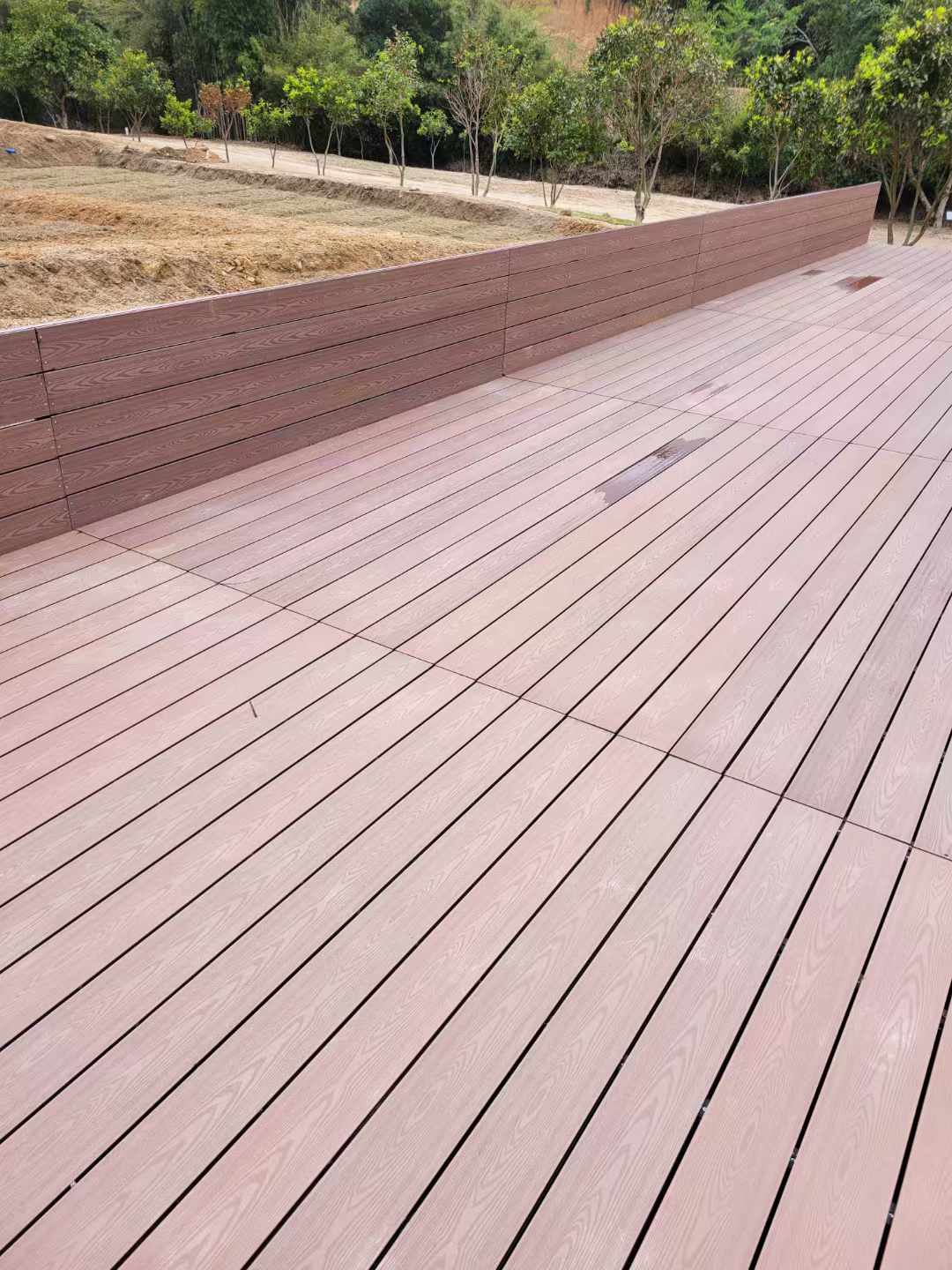
Judging the quality of **WPC (Wood Plastic Composite) decking** involves evaluating several factors that reflect its durability, performance, aesthetics, and overall value. Here’s a comprehensive guide on how to assess the quality of WPC decking:
### **1. Material Composition**
– **Wood and Plastic Ratio**: Check the ratio of wood fibers to plastic in the composite. Higher-quality WPC typically contains a balanced mix of wood and plastic, often around 50% wood and 50% plastic. This balance ensures durability while maintaining a natural look and feel.
– **Type of Wood Used**: Look for high-quality wood fibers, such as oak or pine, which can enhance durability and resistance to wear.
### **2. Manufacturing Process**
– **Extrusion vs. Compression Molding**: WPC can be manufactured through extrusion or compression molding. Extruded boards are often more consistent in shape and density. Research the manufacturing method used by the brand for quality assurance.
– **Co-extrusion**: High-quality WPC decking often features a co-extruded layer that provides extra protection against UV rays, stains, and scratches. This layer helps maintain the color and appearance over time.
### **3. Surface Texture and Aesthetics**
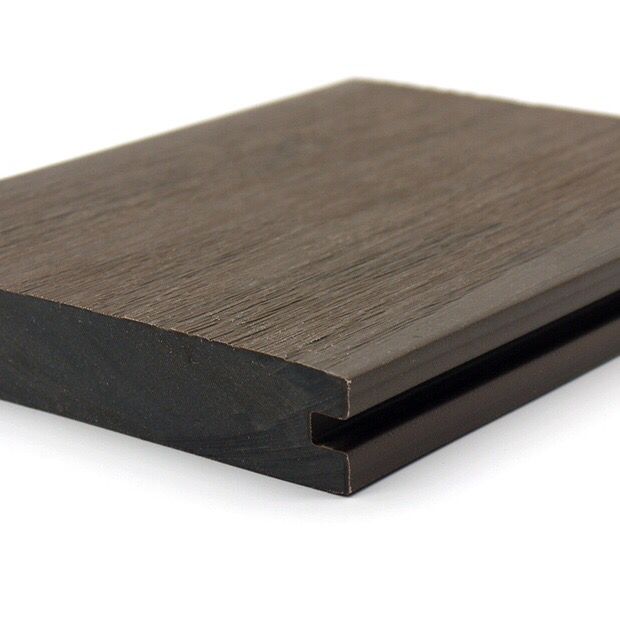
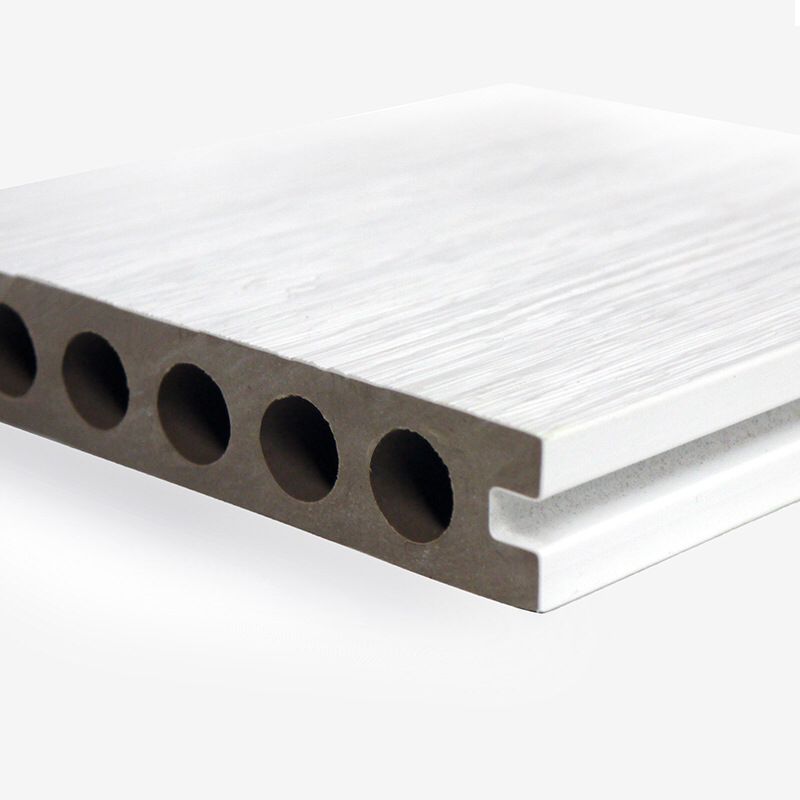
– **Finish Quality**: Inspect the surface finish of the decking. High-quality WPC should have a smooth, consistent surface without blemishes, splinters, or rough edges.
– **Color Consistency**: Check for uniform color throughout the boards. Quality WPC decking should have minimal color variation and no visible imperfections.
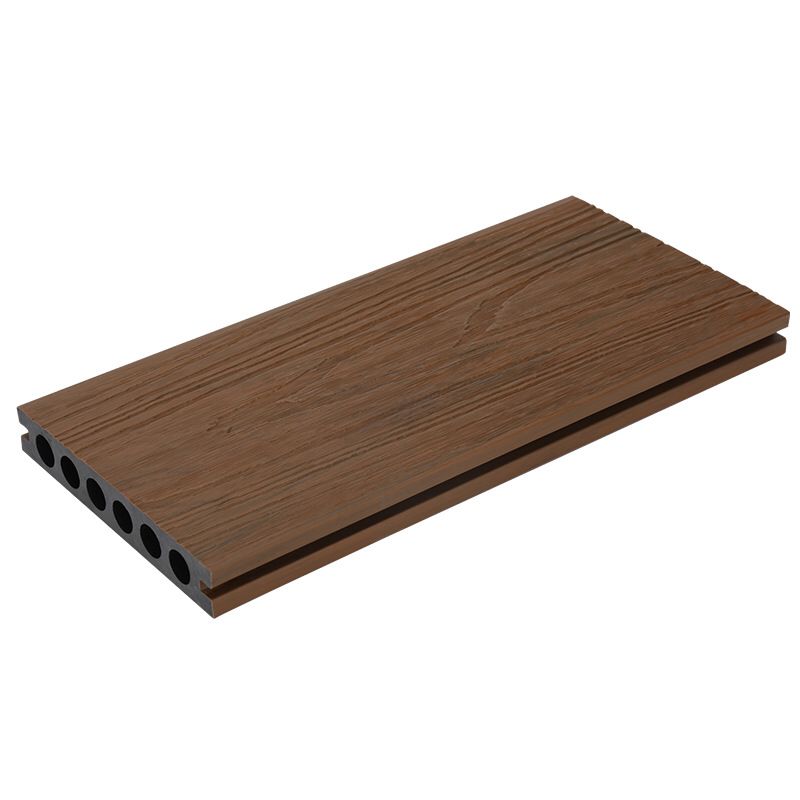
– **Realistic Wood Grain**: Look for natural-looking textures and finishes that replicate the appearance of real wood. Quality products often have varied patterns to enhance realism.
### **4. Durability and Performance**
– **Fade and Stain Resistance**: Review the product specifications for fade and stain resistance ratings. High-quality WPC should be UV-resistant to prevent discoloration and fading over time.
– **Mold and Mildew Resistance**: Check if the decking is treated or engineered to resist mold and mildew growth, particularly in humid climates.
– **Scratch and Impact Resistance**: Evaluate the scratch resistance of the surface. Many high-quality WPC products are designed to withstand wear and tear better than lower-quality options.
### **5. Certifications and Standards**
– **Recycling Certification**: Look for certifications indicating that the product is made from recycled materials and is environmentally friendly, such as the Forest Stewardship Council (FSC) certification.
– **Building Codes**: Ensure that the decking meets relevant building codes and industry standards, which can be a sign of quality and safety.
### **6. Warranty and Brand Reputation**
– **Warranty Period**: A longer warranty typically indicates higher confidence in the product’s quality. Look for warranties that cover fading, stains, and structural integrity, often ranging from 10 to 25 years.
– **Brand Reputation**: Research the manufacturer’s reputation and customer reviews. Established brands with positive feedback are likely to produce higher-quality decking.
### **7. Price Point**
– **Compare Costs**: While price isn’t the sole indicator of quality, very low-priced WPC decking may indicate lower quality materials and construction. Compare prices across different brands and products to get a sense of the market.
### **8. Testing and Certifications**
– **Consumer Reports**: Look for independent tests or consumer reports that evaluate WPC decking products for various performance factors.
– **ASTM Testing**: Some manufacturers may provide results from ASTM (American Society for Testing and Materials) testing for various properties, such as slip resistance, fire rating, and moisture absorption.
### **9. Maintenance Requirements**
– **Ease of Cleaning**: Assess the recommended maintenance routine for the decking. Higher-quality WPC products generally require less maintenance and are easier to clean than lower-quality options.
– **Resistance to Warping or Splitting**: Quality WPC should maintain its shape and not warp, crack, or split under normal conditions.
—
### **Summary**
To judge the quality of WPC decking, evaluate the material composition, manufacturing process, surface texture, durability, certifications, brand reputation, and warranty. Thoroughly researching and comparing products based on these criteria will help you choose a high-quality WPC decking option that meets your needs and expectations.

Leave A Comment