
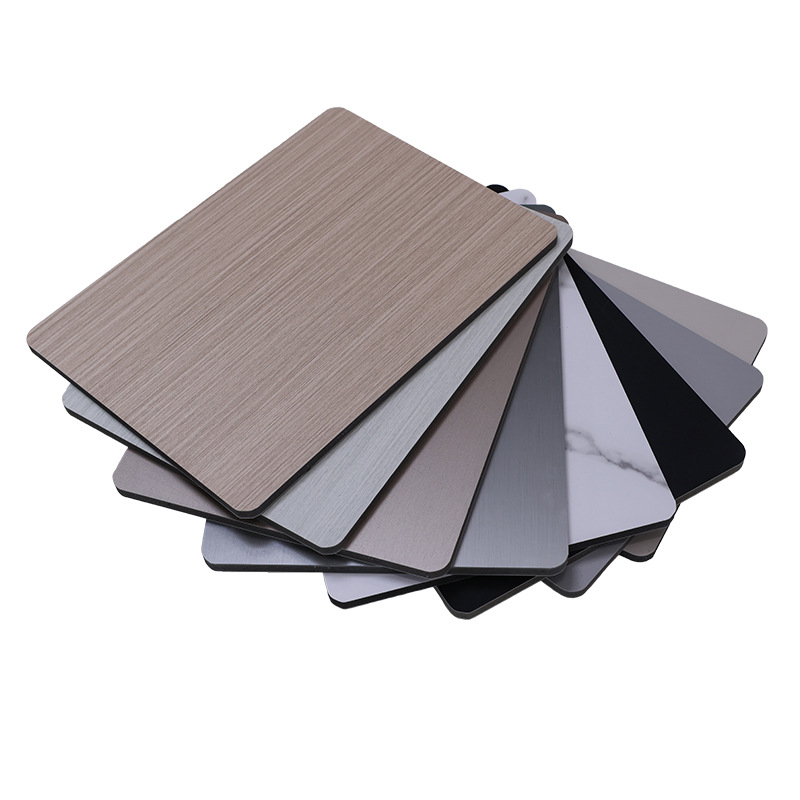
When using bamboo charcoal fiber boards, it is important to follow several precautions to ensure the product’s longevity and maintain its performance. Here are key considerations:
- Acclimatization:
– Allow time for acclimatization: Before installation, bamboo charcoal fiber boards should be acclimatized in the intended environment for at least 48 hours. This helps the boards adjust to the local temperature and humidity, reducing the risk of warping or cracking post-installation.
- Handling and Cutting:
– Use sharp tools: Bamboo charcoal fiber boards can be prone to cracking or splintering if cut with dull tools. Use a fine-tooth saw or sharp utility knife to ensure clean, smooth cuts without damaging the board.
– Avoid rough handling: Handle the boards carefully during installation to prevent chipping or breakage, as bamboo charcoal fibers can be more brittle than other wood alternatives.
- Installation Surface:
– Install on a flat and dry surface: Ensure the surface is even, clean, and dry before applying the boards. Irregular or damp surfaces can lead to uneven installation and affect adhesion or durability.
- Avoid Excessive Moisture:
– Control humidity: While bamboo charcoal fiber boards have some moisture resistance, they are not fully waterproof. Avoid installing them in areas with direct water exposure such as bathrooms or areas prone to high humidity unless they are sealed or treated for moisture resistance.
– Wipe spills immediately: If used in areas where spills may occur, clean them up promptly to prevent water from seeping into the boards.
- Avoid Direct Sunlight:
– UV protection: Prolonged exposure to direct sunlight can cause the color of bamboo charcoal boards to fade over time. Use curtains or blinds in rooms with significant sunlight, or consider applying a UV-protective finish to the boards.
- Finishing and Sealing:
– Seal the boards after installation: Apply a protective sealant to maintain the board’s integrity, especially if the boards are installed in areas prone to moisture or high traffic. The sealant will also enhance the board’s resistance to scratches and stains.
– Use non-toxic finishes: Since bamboo charcoal boards are often chosen for their eco-friendly properties, opt for water-based or low-VOC finishes that complement their sustainability.
- Regular Maintenance:
– Dusting and cleaning: Regularly dust the boards with a soft cloth to prevent dust buildup. For deeper cleaning, use a damp cloth with mild soap, avoiding harsh chemicals that may damage the surface.
– Avoid abrasive cleaning tools: Do not use steel wool, scouring pads, or harsh scrubbing tools that could scratch the surface.
- Heat and Fire Precautions:
– Protect from heat: Bamboo charcoal fiber boards are not heatproof. Avoid placing them near heat sources such as stoves or fireplaces unless they are specifically treated for heat resistance.
- Indoor Use Only (in most cases):
– Avoid outdoor use: Unless specifically designed for exterior applications, bamboo charcoal fiber boards should be used indoors, as excessive exposure to weather elements like rain, wind, and sunlight can degrade their structure.
Following these precautions will help ensure that your bamboo charcoal fiber boards perform well and retain their aesthetic and functional qualities for years to come.

Leave A Comment