

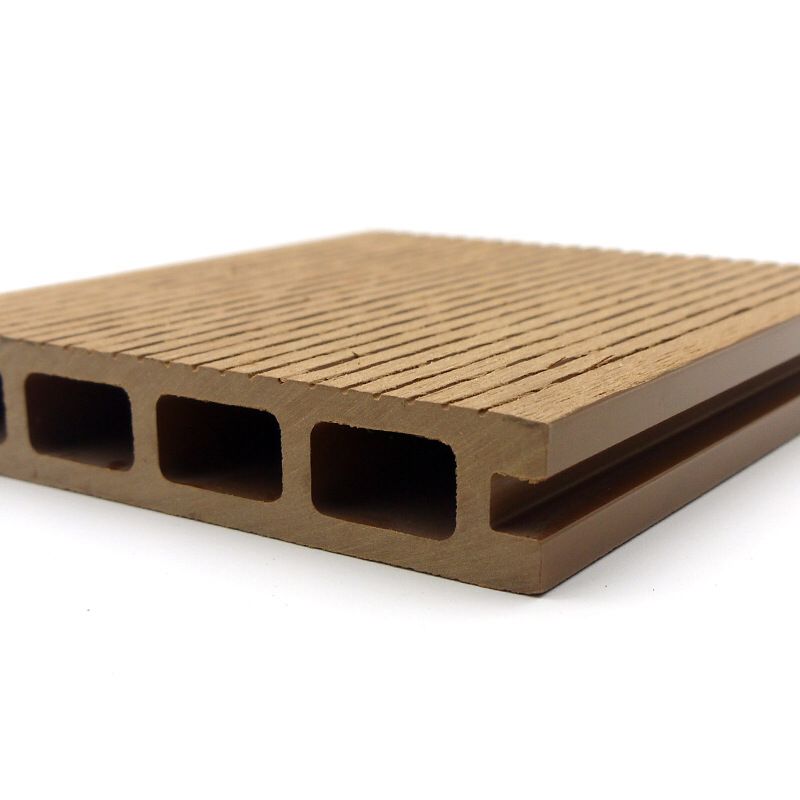
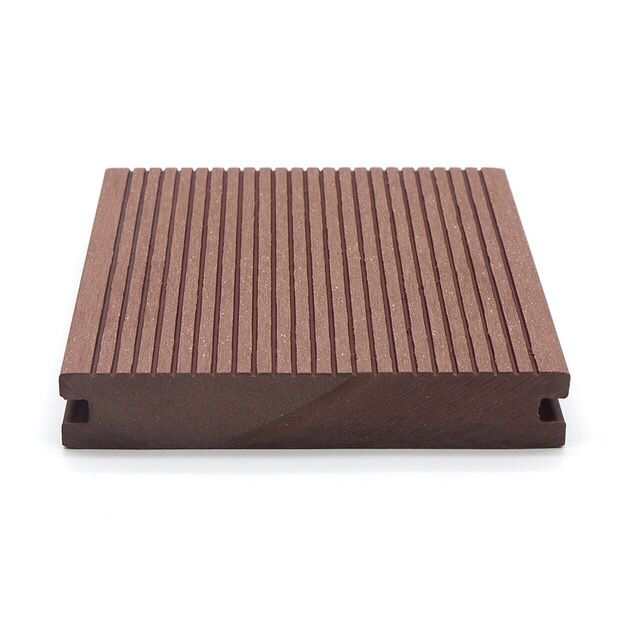
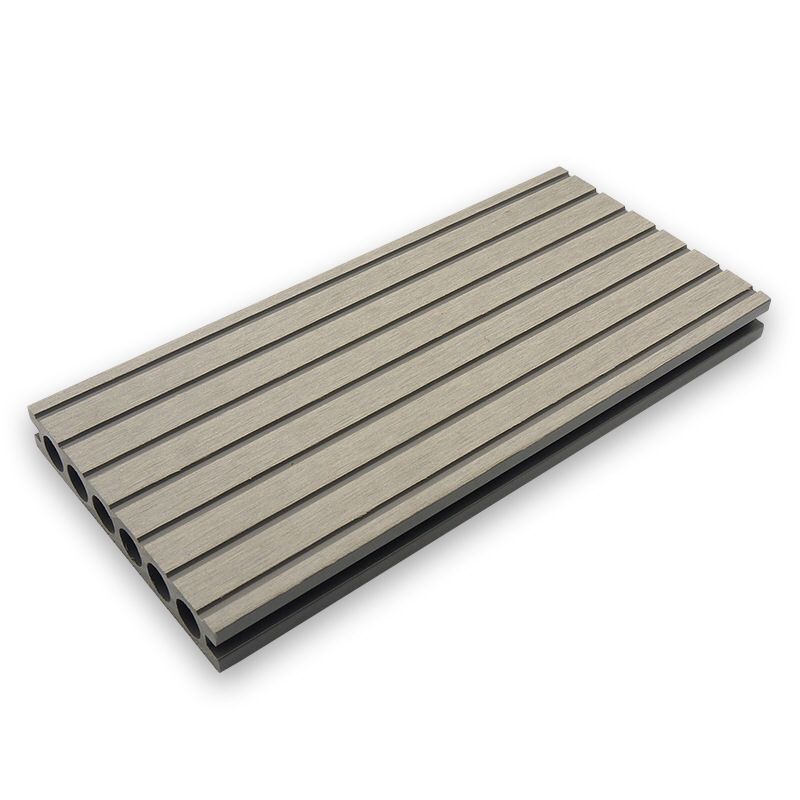
When using Wood Plastic Composite (WPC) products, it’s important to follow certain precautions to ensure safety, maximize longevity, and maintain the product’s appearance and performance. Below are key precautions to consider for the installation, use, and maintenance of WPC materials:
—
Precautions for Installation
# 1. Thermal Expansion and Contraction
– Leave Expansion Gaps: WPC expands and contracts with temperature changes, so it is essential to leave appropriate gaps (typically 3-5 mm) between boards during installation. This allows for expansion in hot weather and contraction in cold conditions without causing buckling or warping.
– Follow Manufacturer Guidelines: Always check the manufacturer’s specifications for the recommended spacing between boards, as well as between the boards and adjacent walls or structures.
# 2. Proper Substructure
– Use a Solid, Level Base: Ensure that the substructure (such as joists for decking) is sturdy and level to prevent sagging or shifting. Use treated wood, metal, or other materials resistant to rot or corrosion in the substructure.
– Provide Drainage: For outdoor decking, make sure the base has adequate drainage to avoid water accumulation under the WPC boards, which could lead to moisture problems in the substructure.
# 3. Adequate Ventilation
– Allow Air Circulation: Ensure proper ventilation beneath WPC decks, cladding, or fences. Lack of ventilation can lead to moisture build-up, promoting the growth of mold and mildew even though WPC is moisture-resistant.
# 4. Use Correct Fasteners
– Corrosion-Resistant Fasteners: Always use stainless steel or corrosion-resistant fasteners for outdoor installations. This prevents rusting, which can weaken the structure over time.
– Avoid Over-Tightening: Over-tightening screws or fasteners can crack the WPC material or deform the surface. Follow the manufacturer’s recommendations on fastening methods and pressure.
# 5. Install at the Right Temperature
– Avoid Extreme Temperatures: Try to install WPC products at moderate temperatures (not during extreme heat or cold) to prevent issues related to expansion or contraction immediately after installation.
—
Precautions for Use
# 1. Weight Limits
– Be Aware of Load Capacity: While WPC products are durable, they still have weight limits. Ensure that the WPC structure, such as decking, can support the weight of furniture, heavy equipment, or people. Excessive weight may cause the boards to flex or crack.
# 2. Avoid Sharp or Heavy Impacts
– Prevent Scratching or Dents: WPC surfaces can resist wear, but dragging heavy objects or using sharp tools can still scratch or dent the surface. Use furniture pads or protective covers under heavy furniture or planters, and avoid dropping sharp or heavy objects onto WPC products.
# 3. Heat Exposure
– Avoid Direct Heat: WPC products can be affected by high temperatures. Avoid placing grills, fire pits, or other heat sources directly on the WPC surface, as this can cause surface damage or discoloration.
– Use heat-resistant mats under grills or heaters, and ensure a safe distance between heat sources and WPC structures.
# 4. Surface Protection
– Rugs and Mats: Use breathable outdoor rugs or mats in high-traffic areas to prevent scratches and wear. Ensure the mats are breathable to avoid moisture accumulation beneath them, which can lead to mold or mildew.
– Avoid rubber-backed mats, as they can trap moisture and lead to discoloration of the WPC surface.
—
Precautions for Maintenance
# 1. Regular Cleaning
– Mild Cleaners Only: Clean WPC products regularly with mild soap and water or a specialized composite cleaner. Avoid harsh chemicals, bleach, or abrasive cleaners, as they can damage the surface or cause discoloration.
– Prevent Dirt Buildup: Sweep regularly to remove dirt, leaves, and debris, especially in areas prone to staining or mold growth.
# 2. Remove Stains Quickly
– Immediate Action for Stains: Clean spills of oil, grease, food, or other staining substances immediately to prevent them from soaking into the surface. Use warm soapy water or a gentle cleaner, and avoid letting stains sit for long periods.
# 3. Mold and Mildew Control
– Prevent Mold Growth: Even though WPC is moisture-resistant, organic matter like leaves or dirt can still cause mold or mildew. Clean these areas regularly, especially in shaded or damp locations.
– Mild Mold Treatments: If mold appears, use a composite deck cleaner or a mixture of water and vinegar to clean the area. Avoid using bleach, as it can discolor the WPC surface.
# 4. Avoid Pressure Washing
– Low-Pressure Cleaning: If using a pressure washer, ensure it is set to a low pressure (under 1500 PSI) and keep the nozzle at least 12 inches away from the WPC surface to avoid damaging the material.
– Manual Cleaning is Preferred: Whenever possible, use a soft brush or broom to clean the surface rather than high-pressure water jets.
# 5. Winter Care
– Safe Snow Removal: In winter, use a plastic or rubber-edged snow shovel to remove snow. Avoid using metal shovels, which can scratch or damage the surface.
– De-Icers: If necessary, use calcium chloride-based de-icers (not rock salt) to prevent ice buildup, as they are less harmful to WPC surfaces.
# 6. Inspect for Damage
– Check Fasteners: Periodically inspect fasteners and connectors for signs of wear or loosening, especially after severe weather or seasonal changes. Tighten or replace them as necessary.
– Repair Cracks or Damage: If any cracks, gouges, or significant surface damage occur, address them promptly by replacing the affected boards or consulting the manufacturer for repair guidance.
—
Precautions for Long-Term Use
# 1. UV Exposure
– Protect from Sunlight: Although WPC is UV-resistant, prolonged exposure to direct sunlight can cause some fading over time. Consider using a UV-protectant finish or sealant if you want to maintain the original color.
– Provide Shade: Use awnings, pergolas, or umbrellas to provide shade in areas where WPC products are exposed to direct sunlight for extended periods.
# 2. Periodic Inspection
– Regular Inspection: Check for signs of wear, fading, or damage at least once a year, especially in outdoor settings exposed to harsh weather. This can help you catch problems early and take preventive measures.
# 3. Use with Compatible Materials
– Avoid Incompatible Chemicals: Be cautious when using chemicals like insecticides, pesticides, or fertilizers near WPC products, as certain chemicals may react with the composite materials. Choose products that are safe for use around WPC.
—
Summary of Key Precautions
- During Installation:
– Allow for expansion gaps and ensure proper ventilation and drainage.
– Use corrosion-resistant fasteners and install at moderate temperatures.
- During Use:
– Avoid excessive weight, sharp objects, and direct heat sources.
– Use protective mats or pads for heavy furniture and high-traffic areas.
- For Maintenance:
– Clean regularly with mild soap and water, and avoid harsh chemicals.
– Remove stains promptly, and clean mold or mildew with non-abrasive products.
– Use plastic shovels for snow and safe de-icers during winter.
- Long-Term Care:
– Protect from excessive UV exposure to prevent fading.
– Inspect for damage periodically and address issues promptly.
By adhering to these precautions, you can maximize the longevity and appearance of WPC products while minimizing damage and maintenance efforts.

Leave A Comment