


Wood Plastic Composite (WPC) wall panels are a popular choice for interior design due to their aesthetic appeal, durability, and low-maintenance characteristics. They combine wood fibers and plastic to create a versatile material suitable for various indoor applications. Here’s an overview of the applications and advantages of indoor WPC wall panels:
Applications of Indoor WPC Wall Panels
- Residential Interiors
– Living Room Accent Walls: WPC wall panels can be used to create stunning accent walls in living rooms, adding texture and depth to the space.
– Bedroom Feature Walls: These panels provide a warm and inviting look in bedrooms, enhancing the overall ambiance with natural wood-like finishes.
– Kitchen Backsplashes: WPC panels can be used as stylish backsplashes in kitchens, offering moisture resistance and easy cleaning.
- Commercial Spaces
– Office Wall Coverings: WPC wall panels are often used in office spaces to create a modern and professional atmosphere while providing sound insulation and durability.
– Retail Store Fixtures: In retail environments, WPC panels can be used for walls and display units, providing a sophisticated look that is also resistant to wear and tear.
– Hotel Interiors: Hotels frequently use WPC wall panels in lobbies, corridors, and guest rooms for their aesthetic appeal and low maintenance.
- Public Spaces
– Restaurants and Cafes: WPC panels can enhance the design of restaurants and cafes, creating an inviting atmosphere with a contemporary touch.
– Hospitality Areas: They are used in waiting areas, lounges, and conference rooms in public buildings to provide an upscale look that is also functional.
- Healthcare Facilities
– Patient Rooms and Waiting Areas: WPC panels are suitable for hospitals and clinics, where they can be used in patient rooms or waiting areas due to their hygienic properties and ease of cleaning.
– Durable Wall Protection: They can also serve as wall protection in high-traffic areas, helping to prevent damage and maintain a clean appearance.
- Educational Institutions
– School Interiors: WPC wall panels are increasingly being used in schools and universities for classrooms, auditoriums, and hallways, providing a modern look while being durable and low maintenance.
- Soundproofing
– Acoustic Wall Panels: WPC panels can be designed for sound absorption, making them suitable for use in music studios, conference rooms, and home theaters.
Advantages of Indoor WPC Wall Panels
- Durability
– Long-Lasting: WPC wall panels are resistant to moisture, warping, and decay, ensuring a long lifespan even in challenging environments.
– Impact Resistance: They can withstand impacts and are less likely to dent or scratch compared to traditional wood panels, making them ideal for high-traffic areas.
- Low Maintenance
– Easy to Clean: WPC wall panels require minimal upkeep; they can be wiped down with a damp cloth for cleaning, unlike wood panels that may require regular polishing or refinishing.
– No Need for Painting or Staining: The panels maintain their color and finish over time without needing paint or stains, reducing maintenance costs.
- Aesthetic Versatility
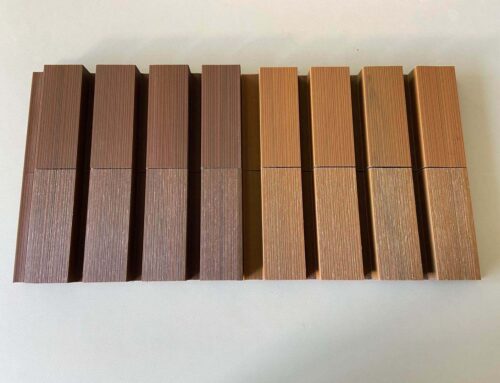
– Natural Appearance: WPC wall panels mimic the look of natural wood, offering a warm, inviting atmosphere in various colors and finishes to suit different interior styles.
– Customizable Designs: Available in multiple textures, patterns, and colors, WPC panels can be customized to fit any design theme, from modern to traditional.
- Eco-Friendly
– Sustainable Material: WPC panels are made from recycled wood fibers and plastic, promoting sustainability in building materials.
– Recyclable: At the end of their lifecycle, WPC wall panels can be recycled, minimizing environmental impact.
- Fire and Pest Resistance
– Fire Retardant: Many WPC wall panels are treated with fire-retardant chemicals, increasing safety in indoor spaces.
– Termite and Pest Resistant: WPC panels are impervious to termites and other pests, making them a reliable choice for long-term indoor applications.
- Thermal and Acoustic Insulation
– Thermal Insulation: WPC panels provide additional thermal insulation, helping to regulate indoor temperatures and improve energy efficiency.
– Sound Absorption: WPC wall panels can reduce sound transmission, making them suitable for offices, hotels, and homes where noise control is essential.
- Lightweight and Easy Installation
– Convenient Handling: WPC wall panels are lightweight, making them easy to transport and install, reducing labor costs and installation time.
– Modular Design: Many WPC wall panels are designed in modular formats, allowing for flexible installation and easy integration into various architectural styles.
- Cost-Effective
– Long-Term Savings: While the initial investment in WPC wall panels may be higher than some alternatives, their durability and low maintenance requirements lead to cost savings over time.
– Reduced Replacement Needs: The longevity and resistance to wear and damage reduce the need for frequent replacements compared to traditional wall materials.
Conclusion
Indoor WPC wall panels are an excellent choice for modern interior design due to their versatility, durability, and aesthetic appeal. Their low maintenance requirements, eco-friendly properties, and resistance to moisture and pests make them suitable for various applications in residential, commercial, and public spaces. With their ability to mimic the look of natural wood while offering enhanced durability and functionality, WPC wall panels are a cost-effective and attractive solution for any indoor environment.



 English


Leave A Comment