


Wood Plastic Composite (WPC) cladding has gained popularity for exterior applications due to its combination of aesthetics, durability, and low maintenance. It’s a versatile material that offers many advantages for outdoor use. Here’s a detailed look at its applications and benefits:
Applications of WPC Cladding
1. Residential Exteriors
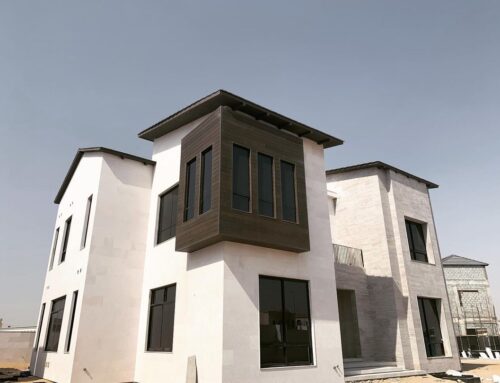
– Wall Cladding for Houses: WPC cladding is used to cover the external walls of homes, providing both protection and a modern appearance.
– Facade Cladding: Commonly applied to enhance the visual appeal of house facades, adding texture and a natural wood-like look.
2. Commercial Buildings
– Office Buildings and Commercial Complexes: WPC cladding is often used to create a sleek, professional look for exterior walls of offices and commercial buildings.
– Shopping Centers: Applied to enhance the visual appeal of malls and retail stores, providing durability in high-traffic areas.
3. Public Spaces
– Public Buildings and Institutions: Government buildings, schools, and museums use WPC cladding for both aesthetics and weather protection.
– Hotels and Resorts: It’s frequently used in the hospitality sector for outdoor walls, contributing to modern, stylish architecture.
4. Landscape Design
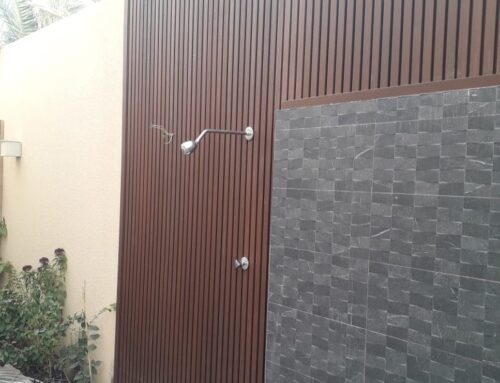
– Garden and Patio Walls: WPC cladding is used in outdoor garden spaces to create decorative walls, screens, or as fencing material.
– Pergolas and Outdoor Structures: Used to cover the exterior of gazebos, pergolas, or other garden structures, offering protection and a natural look.
5. Industrial Buildings
– Warehouses and Factories: WPC cladding is applied to industrial buildings to provide thermal insulation and protect against harsh weather conditions.
6. Refurbishment Projects
– Renovation of Old Buildings: WPC cladding is often chosen in renovation projects to give older buildings a contemporary facelift while enhancing their performance against weather elements.
Advantages of WPC Cladding
1. Durability and Weather Resistance
– Long-Lasting: WPC cladding is designed to withstand harsh weather conditions, including rain, UV exposure, snow, and high humidity. It doesn’t warp, rot, or crack like traditional wood cladding.
– Insect and Fungal Resistance: WPC is resistant to insects like termites and other wood-eating pests, as well as mold and fungus, making it ideal for exterior use.
2. Low Maintenance
– Minimal Upkeep: WPC cladding does not require staining, painting, or sealing. Occasional cleaning with soap and water is sufficient to keep it in good condition.
– Cost-Effective: Due to its long life and low maintenance requirements, WPC cladding reduces the long-term costs of repairs and maintenance compared to traditional materials.
3. Eco-Friendly
– Sustainable Material: WPC is made from recycled wood fibers and plastic, reducing the demand for virgin wood and contributing to sustainable building practices.
– Recyclable: At the end of its lifecycle, WPC can be recycled, reducing its environmental impact.
4. Aesthetic Appeal
– Wood-Like Appearance: WPC cladding mimics the appearance of natural wood, offering the beauty of wood without the disadvantages such as rotting or warping.
– Available in Various Colors and Textures: WPC cladding comes in a wide range of colors, finishes, and textures, allowing for versatile design choices and customization to suit different architectural styles.
5. Water Resistance
– Moisture-Proof: WPC cladding is resistant to water absorption, making it ideal for use in humid climates or areas prone to heavy rainfall. It’s also a great choice for buildings near water bodies or coastal regions.
6. Thermal and Acoustic Insulation
– Improved Energy Efficiency: WPC cladding provides an extra layer of insulation to buildings, helping to regulate indoor temperatures and reduce energy consumption for heating or cooling.
– Noise Reduction: The density of WPC material provides acoustic insulation, helping to reduce noise levels in busy urban environments.
7. Easy Installation
– Lightweight and Modular: WPC cladding panels are lightweight and often come in modular systems, which make installation easier and faster compared to heavier materials like natural stone or wood.
– Hidden Fastening Systems: Many WPC cladding systems feature hidden fasteners, creating a sleek, seamless finish without visible screws or nails.
8. Fire Resistance
– Fire-Retardant Properties: Many WPC products are designed to be fire-resistant, offering added safety for building exteriors, particularly in areas prone to wildfires.
9. Versatility
– Wide Range of Applications: WPC cladding is highly versatile and can be used in a variety of settings, including residential, commercial, industrial, and public buildings. Its adaptability makes it suitable for both contemporary and traditional architecture.
Conclusion
WPC cladding offers an attractive, durable, and sustainable option for outdoor wall finishes. Its blend of wood-like aesthetics and modern, synthetic durability ensures it performs well in various climates, while being eco-friendly and cost-effective over time. Its low maintenance and resistance to the elements make it a preferred material for both residential and commercial projects.


 English


Leave A Comment