


Outdoor Wood Plastic Composite (WPC) decking has become a popular choice for exterior flooring due to its unique blend of wood and plastic, offering the appearance of wood with the durability of synthetic materials. Here’s a detailed look at its applications and advantages:
Applications of WPC Decking
- Residential Use
– Patios and Decks: WPC decking is widely used in homes to create durable outdoor living spaces.
– Balconies and Terraces: Ideal for high-traffic areas that require low maintenance.
– Pool Surrounds: Its water-resistant properties make it perfect for wet environments around pools or hot tubs.
- Commercial and Public Spaces
– Outdoor Walkways: Used in parks, hotels, and resorts for creating long-lasting, visually appealing walking paths.
– Restaurant Terraces and Cafes: Provides a stylish and durable surface for outdoor seating areas.
– Boardwalks: Ideal for coastal areas, as it is resistant to moisture and weathering.
- Garden Landscaping
– Garden Paths: Used in landscaping for pathways that need to endure exposure to the elements.
– Pergola and Gazebo Floors: WPC decking works well in shaded or semi-outdoor spaces like pergolas.
- Marinas and Docks
– Its resistance to water, salt, and UV radiation makes it a preferred material for building piers, docks, and other structures in marine environments.
Advantages of WPC Decking
- Durability and Longevity
– Weather-Resistant: WPC decking is highly resistant to the elements, including UV radiation, moisture, and extreme temperature fluctuations. It doesn’t warp, rot, or splinter like natural wood.
– Insect Resistance: Unlike traditional wood, WPC decking is not susceptible to termite or insect damage.
- Low Maintenance
– No Need for Staining or Sealing: WPC decking retains its color and finish over time, meaning you won’t need to repaint, stain, or seal it like traditional wood decking.
– Easy to Clean: Simply cleaning it with soap and water or a pressure washer keeps it looking good, reducing the long-term upkeep costs.
- Eco-Friendly
– Sustainable: WPC is made from a blend of recycled wood fibers and plastic, reducing the need for virgin timber and plastic, contributing to environmental sustainability.
– Recyclable: At the end of its lifecycle, WPC can be recycled, making it an environmentally responsible material.
- Aesthetic Appeal
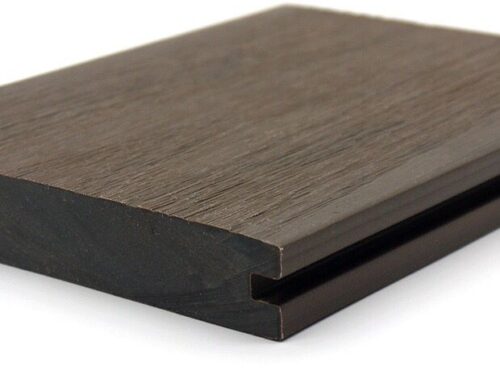
– Wood-like Appearance: WPC decking mimics the natural look of wood, providing a beautiful aesthetic without the drawbacks of wood.
– Variety of Colors and Textures: It comes in a range of colors and finishes, allowing customization to suit the design of any space.
- Slip-Resistance
– Textured Surface: Many WPC decks come with a textured surface that provides better traction compared to traditional wood, making it ideal for areas prone to moisture, like poolside decking or docks.
- Easy Installation
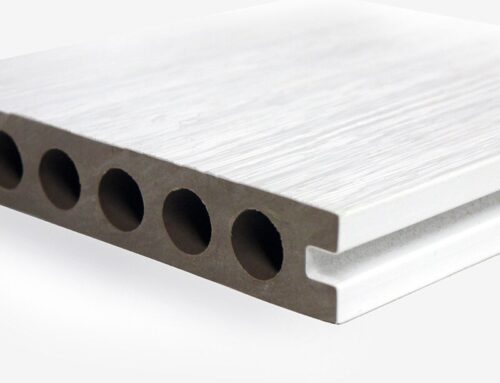
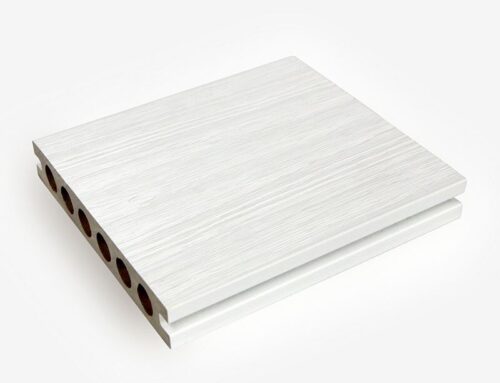
– Pre-fabricated Boards: WPC decking often comes in modular designs, making installation quicker and easier compared to other decking materials.
– Hidden Fastening Systems: Many WPC decking systems come with hidden fasteners that offer a seamless and clean look without visible screws or nails.
- Cost-Effective Over Time
– Initial Investment: While WPC decking may have a higher initial cost than wood, its long life and low maintenance make it more cost-effective over time, saving on repair and upkeep expenses.
Conclusion
WPC decking provides a durable, low-maintenance, and aesthetically pleasing option for outdoor spaces. Its combination of wood-like appearance, resistance to environmental stress, and ease of installation make it a versatile and cost-effective material for both residential and commercial applications.

 English


Leave A Comment