


Wood Plastic Composite (WPC) siding is a popular choice for outdoor cladding due to its aesthetic appeal, durability, and low-maintenance qualities. It’s used for both residential and commercial buildings, offering a modern alternative to traditional wood or vinyl siding. Here’s a detailed overview of its applications and advantages:
Applications of WPC Siding
- Residential Buildings
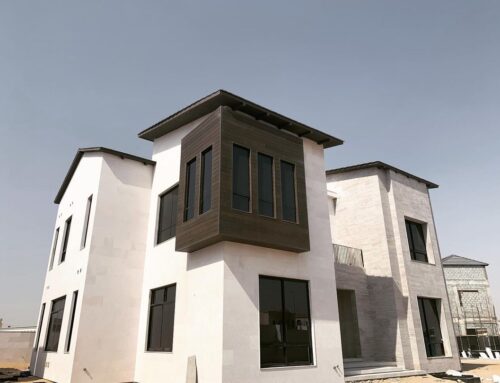
– House Exteriors: WPC siding is used on the exterior walls of houses to enhance their visual appeal while protecting them from environmental elements.
– Modern Facades: Homeowners often use WPC siding to create sleek, contemporary facades with wood-like finishes.
– Garages and Outbuildings: WPC siding is ideal for garages, sheds, and other outdoor structures, providing durability and a cohesive look with the home.
- Commercial and Institutional Buildings
– Office Buildings: WPC siding is applied to commercial buildings for a professional and sophisticated appearance, while offering protection against weathering.
– Retail and Shopping Centers: It is used to give stores and shopping centers a modern, attractive look that is also easy to maintain.
– Schools and Public Buildings: WPC siding is increasingly being used in schools, libraries, and other public institutions due to its durability and low maintenance.
- Hospitality and Leisure Facilities
– Hotels and Resorts: WPC siding is ideal for hotels and resorts, creating an inviting, wood-like look that is also resistant to moisture, making it perfect for coastal areas or buildings near water.
– Restaurants and Cafes: Outdoor walls of restaurants, cafes, and lounges benefit from WPC siding, which offers aesthetics and durability in high-traffic, exposed areas.
- Industrial Buildings
– Warehouses and Factories: Industrial buildings benefit from the strength and weather resistance of WPC siding, while its low maintenance and ease of installation reduce costs.
- Renovation Projects
– Upgrading Old Buildings: WPC siding is often used to revamp the appearance of old buildings, giving them a modern, clean look without the extensive maintenance requirements of wood siding.
- Landscaping Features
– Garden Sheds and Fences: WPC siding is often used for smaller structures like sheds, gazebos, or even garden fences, ensuring they are weather-resistant and aesthetically pleasing.
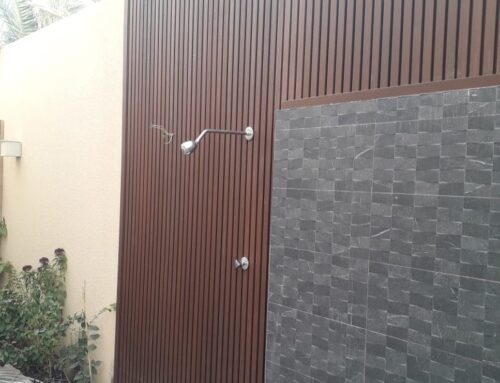
– Exterior Accent Walls: It’s used to create feature walls in gardens, patios, or terraces, adding texture and depth to outdoor spaces.
Application and advantages of outdoor wpc siding
Advantages of WPC Siding
- Durability and Weather Resistance
– Long-lasting: WPC siding is engineered to withstand extreme weather conditions, such as intense sun, heavy rain, snow, and high humidity. It does not warp, crack, or rot like traditional wood.
– UV and Moisture Resistant: WPC siding is resistant to UV rays and doesn’t fade easily over time, making it ideal for areas with high sun exposure. It’s also water-resistant, making it suitable for use in humid or rainy climates.
– Insect and Mold Resistant: WPC is impervious to termites and other wood-eating insects, and its composite structure resists mold and mildew growth, even in damp conditions.
- Low Maintenance
– Easy to Clean: WPC siding requires minimal maintenance compared to wood, which needs regular sealing, staining, or painting. Occasional washing with water and mild soap is enough to keep it looking new.
– Cost-Effective Over Time: While the initial cost of WPC siding may be higher than some alternatives, its durability and low maintenance requirements make it more cost-effective in the long run by reducing upkeep and replacement costs.
- Eco-Friendly
– Sustainable Materials: WPC is made from a combination of recycled wood fibers and plastic, reducing the demand for virgin materials and contributing to sustainability.
– Recyclable: WPC siding is fully recyclable, helping to minimize its environmental impact at the end of its lifecycle.
- Aesthetic Appeal
– Natural Wood Look: WPC siding closely mimics the appearance of natural wood, providing a warm, organic look without the downsides of real wood, such as fading or warping.
– Variety of Colors and Finishes: WPC siding is available in a wide range of colors, patterns, and textures, allowing for customized designs that suit both contemporary and traditional styles.
– Fade Resistant: Its color remains vibrant and consistent over time due to its UV-resistant properties, meaning it doesn’t require frequent repainting or staining like traditional wood siding.
- Energy Efficiency
– Thermal Insulation: WPC siding provides a layer of thermal insulation, helping to regulate indoor temperatures by keeping heat out in the summer and retaining warmth in winter. This reduces energy consumption for heating and cooling.
– Improved Building Envelope: By providing extra insulation, WPC siding contributes to the overall energy efficiency of a building, helping reduce energy costs and improve sustainability.
- Fire Retardant
– Fire-Resistant Properties: Many WPC siding products are treated with fire-retardant chemicals, offering increased safety compared to untreated wood, especially in areas prone to wildfires.
- Versatile Design Options
– Customizable: WPC siding comes in various widths and patterns, allowing for creative applications such as vertical or horizontal layouts, or mixing different textures and finishes.
– Seamless Look: Many WPC siding systems feature hidden fasteners, ensuring a clean, seamless look with no visible screws or nails.
- Simple Installation
– Lightweight and Modular: WPC siding panels are lightweight and often pre-fabricated, making them easier and faster to install than heavier materials like stone or brick.
– Less Labor-Intensive: The modular nature of WPC siding systems reduces installation time and labor costs, providing a convenient solution for both new builds and renovation projects.
Conclusion
WPC siding offers a durable, low-maintenance, and eco-friendly solution for outdoor cladding. Its wood-like appearance, combined with resistance to moisture, UV rays, and insects, makes it ideal for a variety of residential, commercial, and industrial applications. With its aesthetic versatility and practical advantages, WPC siding is a cost-effective and long-lasting choice for modern buildings.


 English


Leave A Comment