

SPC (Stone Plastic Composite) flooring has several advantages over other flooring materials, making it a popular choice for both residential and commercial applications. Here’s a comparison of SPC flooring’s advantages over other common flooring options like laminate, hardwood, vinyl, and tile:
- Durability
– SPC Flooring: It is extremely durable due to its rigid core made of stone and plastic composites. It resists impact, scratches, and dents better than many other flooring materials, especially in high-traffic areas.
– Compared to Laminate and Vinyl: SPC flooring is more durable, especially in resisting water damage, scratches, and general wear.
– Compared to Hardwood: Hardwood can scratch easily and is more vulnerable to moisture. SPC handles both better.
– Compared to Tile: SPC may not be as hard as ceramic or porcelain tile, but it is more impact-resistant and less likely to crack.
- Waterproof
– SPC Flooring: It is 100% waterproof, making it an ideal choice for bathrooms, kitchens, laundry rooms, and basements.
– Compared to Laminate: Most laminate flooring is not waterproof and can swell or warp when exposed to moisture.
– Compared to Hardwood: Hardwood floors are not water-resistant, making them unsuitable for areas prone to moisture.
– Compared to Tile: Tile is also waterproof, but SPC offers a warmer, softer feel underfoot.
- Affordability
– SPC Flooring: It is generally more affordable than hardwood and tile, offering a good balance between cost and durability.
– Compared to Laminate: The price of SPC is often comparable to or slightly higher than laminate, but with added benefits like water resistance and better durability.
– Compared to Hardwood: Hardwood flooring is significantly more expensive both in material and installation costs.
– Compared to Tile: SPC is usually cheaper than ceramic or porcelain tile, and installation costs are lower as well.
- Easy Installation
– SPC Flooring: It often comes in a click-lock or floating system, making it easy for DIY installation. It can be installed over most subfloors without much preparation.
– Compared to Laminate and Vinyl: Installation is similarly easy, but SPC is often more rigid and easier to work with, especially on uneven subfloors.
– Compared to Hardwood: Hardwood requires more labor-intensive installation, often involving nails, adhesives, or professional expertise.
– Compared to Tile: Tile installation is time-consuming, requires precise work, and often needs grout and adhesive, making it much harder for DIYers.
- Comfort and Feel
– SPC Flooring: It has a slightly softer and warmer feel compared to tile, thanks to the vinyl layer, and some versions come with attached underlayment for additional comfort and sound absorption.
– Compared to Tile: Tile can be cold and hard underfoot, especially in cooler climates.
– Compared to Hardwood and Laminate: SPC flooring feels more comfortable than hardwood and similarly to laminate but is better for sound absorption and insulation.
- Low Maintenance
– SPC Flooring: It requires very little maintenance, typically just regular sweeping and occasional mopping.
– Compared to Hardwood: Hardwood needs refinishing over time and is more sensitive to moisture, requiring more careful cleaning.
– Compared to Laminate: SPC requires less care than laminate, which can be damaged by moisture.
– Compared to Tile: Tile grout requires periodic cleaning and resealing, while SPC does not.
- Stability
– SPC Flooring: Its rigid core makes it highly stable under various temperature and humidity changes. It’s less likely to expand or contract, making it ideal for areas with fluctuating temperatures.
– Compared to Vinyl and Laminate: SPC is more stable than traditional vinyl or laminate, which can expand or shrink in response to temperature and humidity changes.
– Compared to Hardwood: Hardwood is prone to expanding and contracting based on environmental changes, which can lead to gaps or warping.
- Variety of Styles
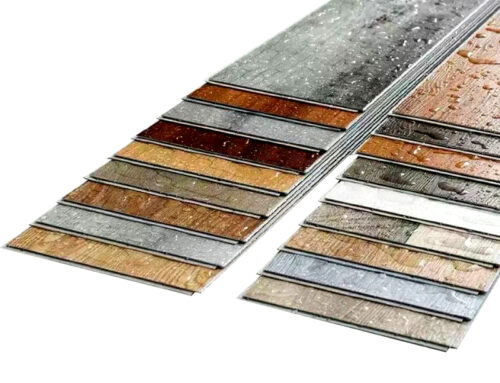
– SPC Flooring: It comes in a wide range of styles, colors, and realistic patterns that mimic wood, stone, and tile, allowing for great design flexibility.
– Compared to Hardwood: While hardwood has a natural beauty, SPC can mimic various wood species and grains at a fraction of the cost.
– Compared to Tile: SPC can replicate tile designs but without the cold, hard feel.
– Compared to Laminate: Both offer a wide variety of designs, but SPC is more durable and resistant to moisture.
- Sound Absorption
– SPC Flooring: With the option of attached underlayment, SPC flooring can offer better sound insulation than many other hard surface floors.
– Compared to Hardwood and Tile: Both hardwood and tile can be noisy and require additional underlayment or rugs for soundproofing.
– Compared to Laminate: SPC typically absorbs sound better than laminate, especially with built-in underlayment.
- Environmental Resistance
– SPC Flooring: It’s resistant to mildew and mold, thanks to its waterproof nature, making it suitable for damp or humid environments.
– Compared to Hardwood and Laminate: Both hardwood and laminate can suffer from mold and mildew in moist environments.
– Compared to Tile: Tile is also resistant to mold and mildew, but SPC can offer similar resistance with easier installation and maintenance.
—
Summary: SPC flooring provides a balance of durability, water resistance, ease of installation, and affordability, making it an excellent choice over materials like laminate, hardwood, and tile for many applications. It combines the best features of different flooring types while overcoming some of their main drawbacks, such as sensitivity to moisture and installation complexity.



 English


Leave A Comment