

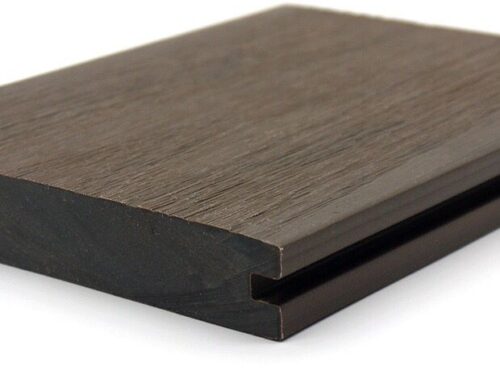
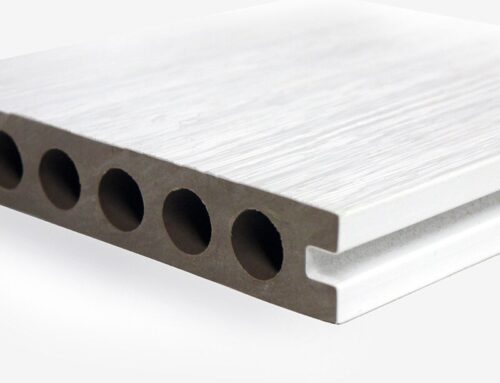
WPC (Wood-Plastic Composite) decking is a type of decking material made from a combination of wood fibers (or wood flour) and thermoplastic materials (such as polyethylene, polypropylene, or PVC). Here’s a breakdown of what WPC decking is and how it is made:
### What is WPC Decking?
– **Composition**: WPC decking combines the natural aesthetics of wood with the durability and low maintenance of plastic. This blend results in a product that looks like wood but offers better resistance to weather, moisture, and pests.
– **Uses**: Primarily used for outdoor applications, such as decks, patios, walkways, and pool areas, WPC decking is popular for residential and commercial projects due to its longevity and aesthetic appeal.
### How is WPC Decking Made?
1. **Material Preparation**:
– **Wood Fibers**: Wood waste, sawdust, or wood chips are collected and processed into fine fibers.
– **Plastic**: Recycled plastics or virgin thermoplastics are used, depending on the manufacturer’s choice.
2. **Mixing**:
– The wood fibers and plastic materials are mixed together in specific proportions. Additives may also be included to enhance properties like UV resistance, color, and durability.
3. **Heating and Extrusion**:
– The mixture is heated until it melts and becomes pliable. This molten material is then forced through a die to shape it into planks or boards.
– The extrusion process can also allow for co-extrusion, where an additional layer (often made from materials like ASA) is applied for enhanced surface protection.
4. **Cooling and Cutting**:
– After extrusion, the newly formed WPC decking is cooled to solidify its shape. The long boards are then cut into desired lengths.
5. **Finishing**:
– The boards may undergo additional processes, such as sanding, embossing, or adding textures to improve slip resistance and appearance.
6. **Quality Control**:
– The finished products are inspected for consistency, color, and structural integrity before being packaged for sale.
### Conclusion
WPC decking offers a sustainable alternative to traditional wood, combining the benefits of both materials. Its manufacturing process allows for various designs and finishes, making it a versatile choice for outdoor spaces.

 English


Leave A Comment