

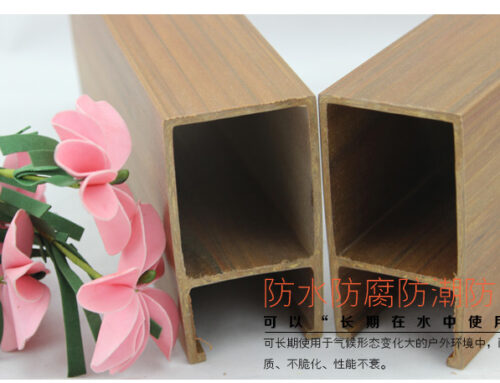
WPC (Wood Plastic Composite) tubes are widely used in various applications due to their unique composition and combination of the benefits of both wood and plastic. They are made from a mixture of wood fibers or wood flour and plastic polymers, typically PVC or polyethylene. This combination results in a product that offers numerous advantages over traditional materials like wood or metal. Here’s a detailed look at the product characteristics and advantages of WPC tubes:
—
Product Characteristics of WPC Tubes
- Composite Material:
– WPC tubes are made from a blend of wood fibers and plastic, typically in a ratio of around 40% to 60% wood and 40% to 60% plastic.
– This combination provides the tubes with the best features of both materials: the strength and natural feel of wood, and the durability and water resistance of plastic.
- Lightweight:
– WPC tubes are generally lighter than solid wood or metal pipes, making them easier to handle, transport, and install.
- Durability:
– The plastic content provides resistance to decay, moisture, and insect damage, making WPC tubes much more durable than traditional wood.
– They are resistant to cracking, warping, or splitting, common issues with natural wood products.
- Weather Resistance:
– WPC tubes are designed to withstand various environmental conditions, including UV rays, rain, snow, and temperature fluctuations.
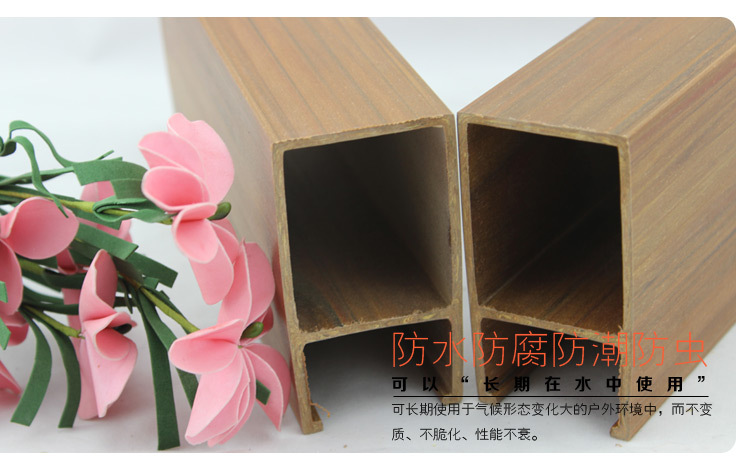
– They do not fade, swell, or rot when exposed to outdoor conditions, making them ideal for both indoor and outdoor use.
- Low Maintenance:
– WPC tubes require minimal upkeep compared to traditional wood products, which may need frequent painting, staining, or sealing to prevent deterioration.
– They resist mold, mildew, and moisture, making them easier to clean.
- Eco-Friendly:
– Many WPC tubes are made from recycled plastics and reclaimed wood fibers, making them a more sustainable option than virgin plastic or traditional lumber.
– WPC is also 100% recyclable at the end of its life cycle.
- Aesthetic Appeal:
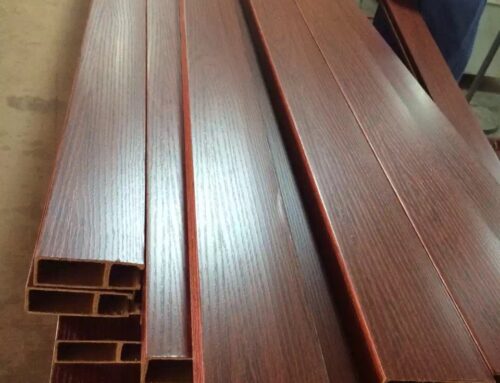
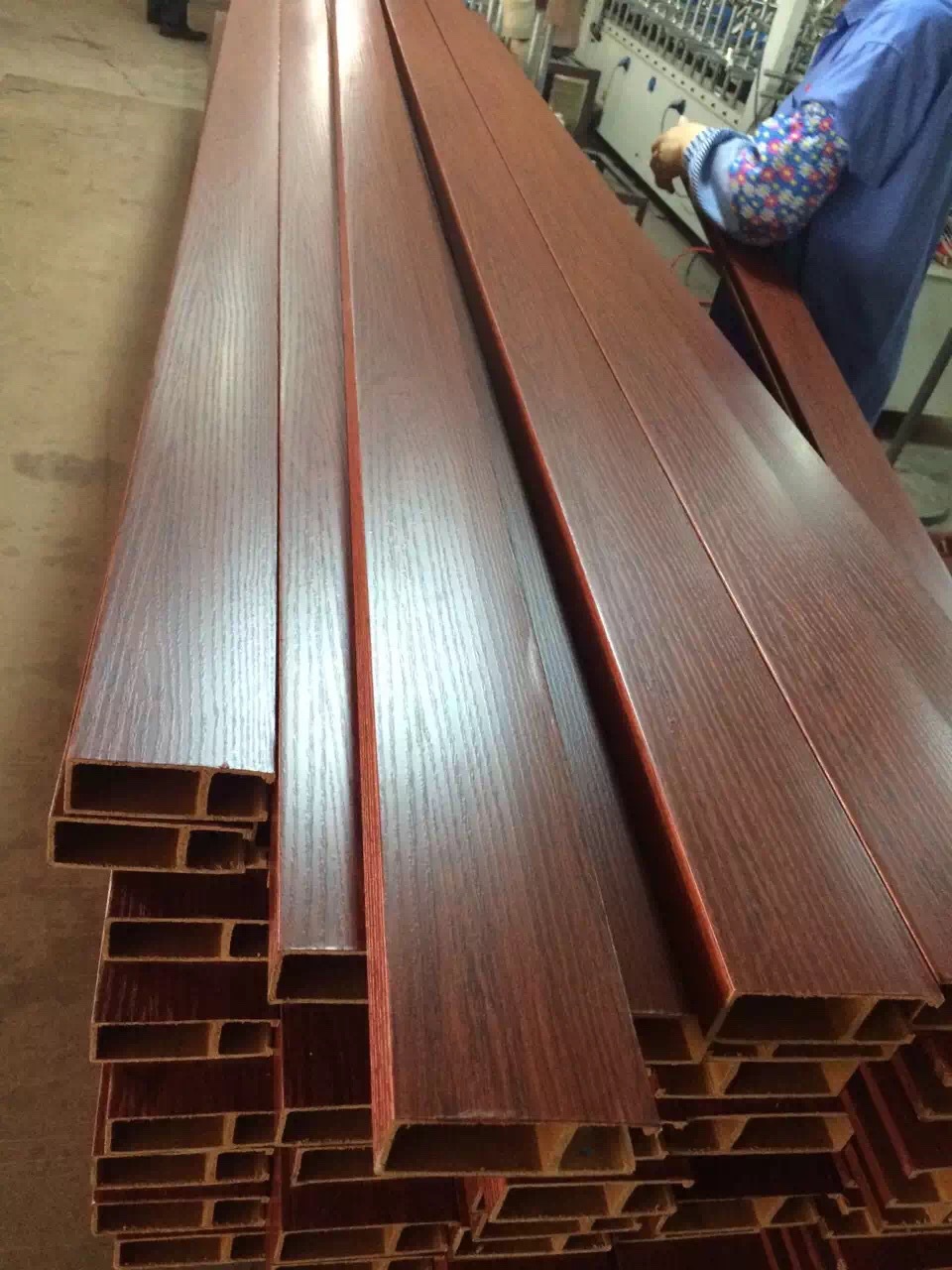
– WPC tubes often have the appearance of natural wood, offering an attractive, natural aesthetic while providing superior performance in demanding environments.
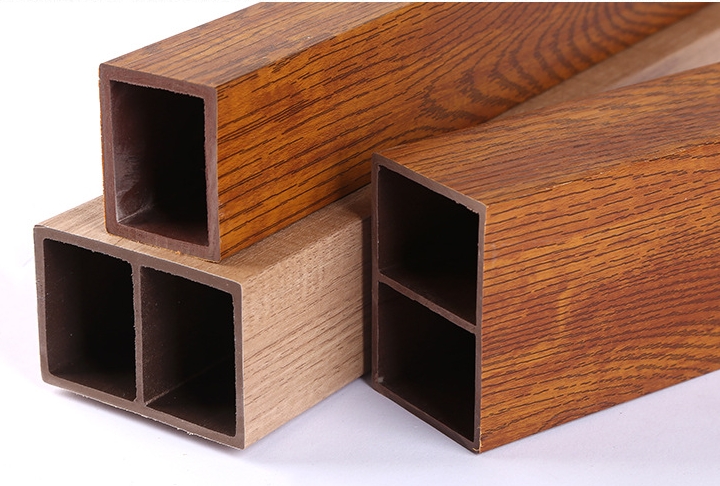
– They are available in various colors, finishes, and textures, allowing them to fit various design needs.
- Non-Toxic and Safe:
– WPC tubes are generally free from toxic chemicals such as formaldehyde and other volatile organic compounds (VOCs) that can be present in traditional wood products or paints.
—
Advantages of WPC Tubes
- Moisture and Water Resistance:
– One of the key advantages of WPC tubes is their high resistance to moisture. They are impervious to water absorption, unlike natural wood, which makes them ideal for outdoor applications or environments exposed to moisture, such as bathrooms, kitchens, and landscaping.
- Durability and Longevity:
– WPC tubes are highly durable and can last for many years without significant wear. They do not rot, crack, or decay over time, even when exposed to harsh environmental conditions. This makes them an excellent choice for outdoor structures, fencing, decking, or railing systems.
- Low Maintenance:
– Unlike wood, WPC tubes do not need to be painted, stained, or sealed regularly. They retain their appearance over time and only require occasional cleaning, reducing the time and cost spent on maintenance.
- Insect Resistance:
– WPC tubes are resistant to termites and other wood-boring insects that can damage traditional wood products. This makes them ideal for areas where pest infestation is a concern.
- Weatherproof:
– WPC tubes can withstand extreme weather conditions, including intense heat, cold, humidity, and UV radiation. This resilience makes them suitable for use in tropical, coastal, or high-humidity environments where traditional wood might degrade more quickly.
- Environmental Sustainability:
– WPC tubes are made from recycled and sustainable materials, reducing the reliance on virgin wood and plastic resources. Their recyclable nature at the end of life adds to their environmental friendliness.
- Versatile Applications:
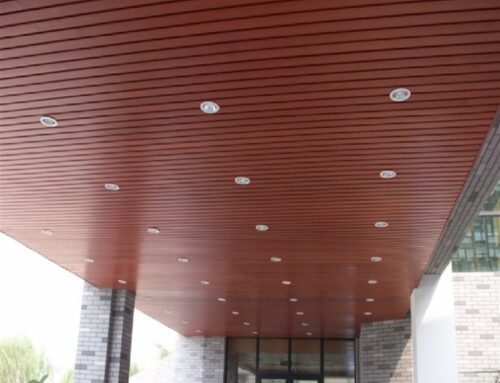
– WPC tubes are used in a wide range of applications, including furniture production, construction, outdoor decking, fencing, railing, and landscape designs. Their versatility in terms of shape and size also means they can be custom-made for specific projects.
- Fire Resistance:
– WPC materials typically offer improved fire resistance compared to natural wood, making them a safer choice in environments where fire safety is a concern.
- Aesthetic Flexibility:
– WPC tubes can be manufactured to mimic a wide range of wood types, providing a natural look without the drawbacks of real wood. Custom textures and colors are also available to match different design preferences.
- Cost-Effective Over Time:
– While the initial cost of WPC tubes may be slightly higher than that of traditional wood, the long lifespan, low maintenance costs, and reduced need for replacement make them more cost-effective in the long run.
—
Applications of WPC Tubes
Due to their durability and versatility, WPC tubes can be used in a wide range of applications, including:
– Outdoor decking and fencing.
– Pergolas, gazebos, and other outdoor structures.
– Railing systems for balconies and patios.
– Furniture for indoor and outdoor use.
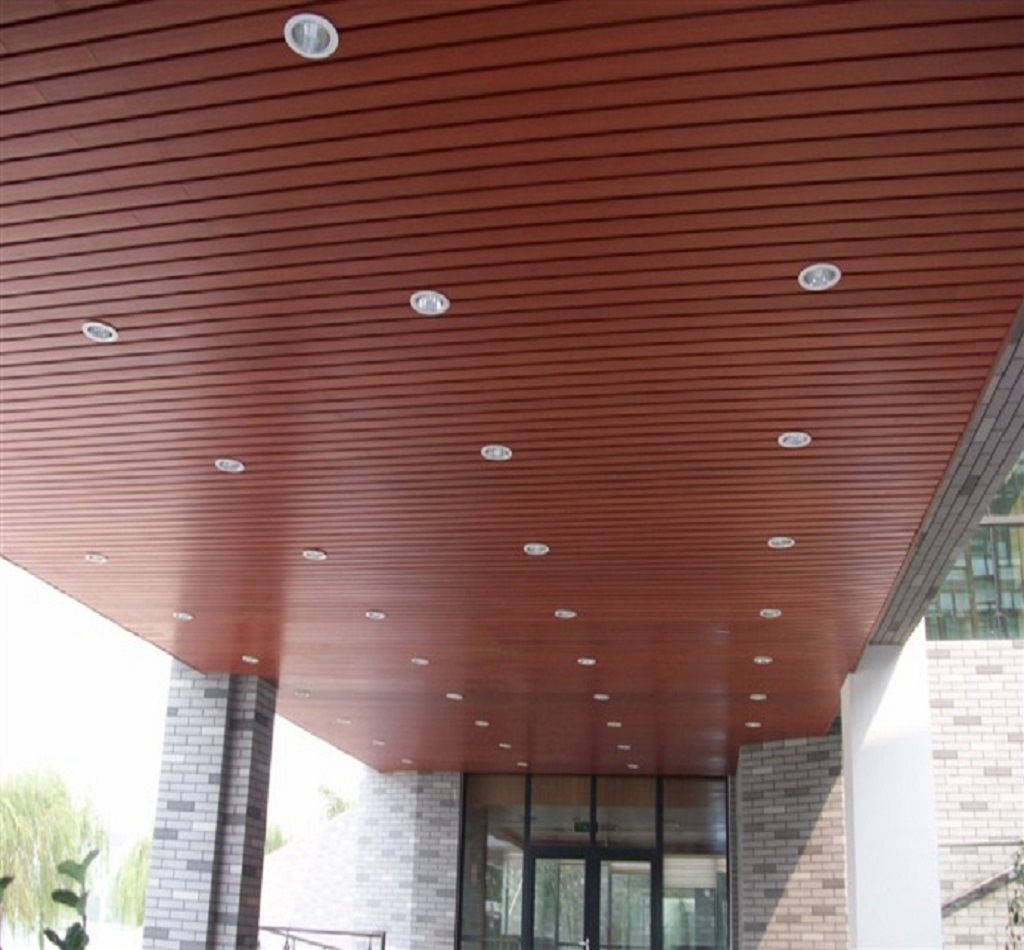
– Building facades and cladding systems.
– Waterfront structures, like boardwalks and piers.
– Planters and landscape edging.
—
Summary of WPC Tube Characteristics and Advantages:
– Characteristics: WPC tubes are made from a blend of wood and plastic, offering weather resistance, durability, and low maintenance. They are lightweight, eco-friendly, and available in a variety of finishes.
– Advantages: WPC tubes are water-resistant, insect-proof, and highly durable. They require little maintenance, have a long lifespan, and are environmentally friendly due to their recycled content. They also offer a natural wood look with enhanced performance.
WPC tubes are a modern, versatile alternative to traditional wood products, providing the durability of plastic and the aesthetic appeal of wood in various indoor and outdoor applications.

Leave A Comment