
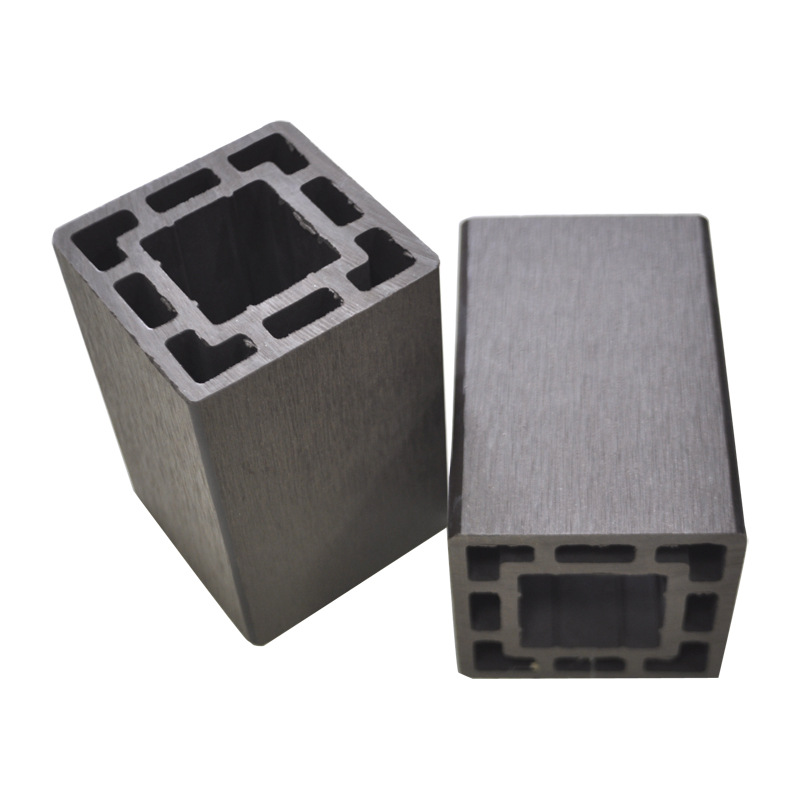
The production cost of WPC (Wood Plastic Composite) tubes can vary significantly depending on a variety of factors such as raw material prices, manufacturing process, geographic location, and economies of scale. While exact figures may vary from one manufacturer to another, here are the primary factors that affect the production cost of WPC tubes:
- Raw Materials
– Wood Fibers/Flour: The wood component in WPC tubes typically consists of wood flour, sawdust, or wood fibers. The cost of these materials depends on their sourcing and quality. Using reclaimed or recycled wood materials can lower the cost.
– Plastic Polymers: The plastic component, usually PVC, PE (Polyethylene), or PP (Polypropylene), can be a significant cost driver. The prices of these plastics are tied to the petrochemical market, so fluctuations in oil prices can directly impact production costs.
– Additives: WPC tubes often contain additives such as UV stabilizers, coloring agents, coupling agents, and anti-oxidants. These additives enhance the performance of the product, but they also add to the cost.
- Manufacturing Process
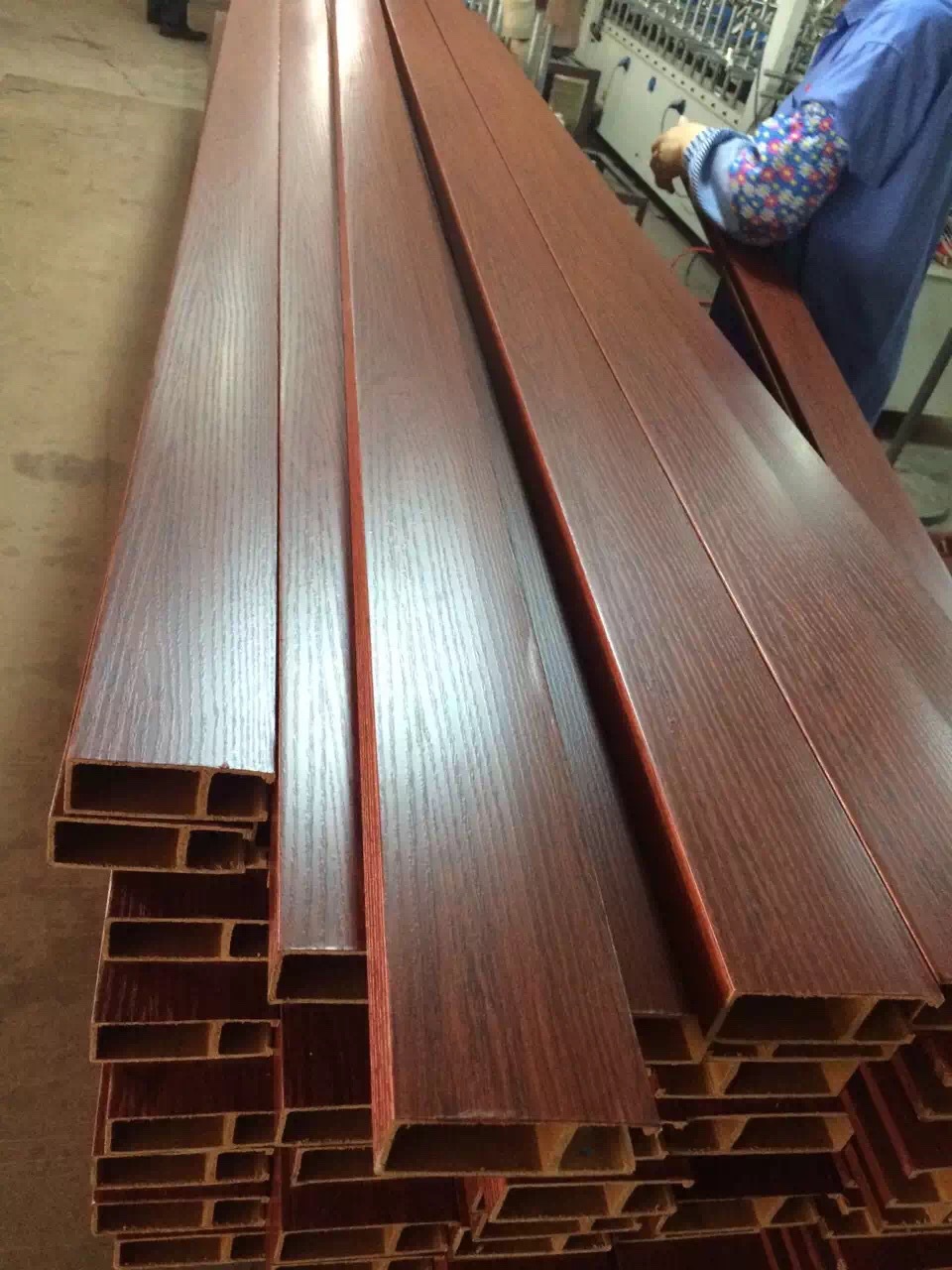
– Extrusion Process: WPC tubes are typically produced using an extrusion process, which involves blending the wood fibers with the plastic resin, then heating and shaping the material.
– Energy Consumption: Extrusion is an energy-intensive process. Energy costs (electricity, fuel, etc.) vary depending on the region, which can influence overall production costs.
– Machinery and Equipment: The cost of advanced machinery required for high-quality extrusion and precise shaping can also affect production costs. More efficient machinery can reduce waste and improve productivity but may come with higher upfront costs.
– Labor Costs: The cost of labor varies greatly depending on the country where the WPC tubes are manufactured. Countries with lower labor costs (such as China or India) typically have lower production costs compared to those with higher labor costs (such as the U.S. or European countries).
- Scale of Production
– Economies of Scale: Larger production facilities with higher output volumes benefit from economies of scale, reducing the per-unit cost of WPC tubes. Smaller production runs will generally have higher costs due to lower efficiency.
– Automation: More automated production processes tend to reduce labor costs, though they may increase capital investment in machinery. Automation can also lead to more consistent quality.
- Transportation and Logistics
– Shipping Costs: Since WPC tubes are relatively lightweight but bulky, shipping and logistics costs can be a considerable part of the overall production cost, especially for international shipping.
– Raw Material Transport: The cost to transport raw materials (wood fibers and plastics) to the manufacturing site also contributes to the total production cost. Proximity to raw material sources can help lower this cost.
- Market Demand and Competition
– Supply and Demand: The production cost is also influenced by the demand for WPC products in the market. High demand may allow manufacturers to optimize production lines and reduce costs through bulk purchases of raw materials.
– Regional Competition: In regions with a lot of competition, prices might be driven down to remain competitive, which can influence production decisions.
- Quality and Features
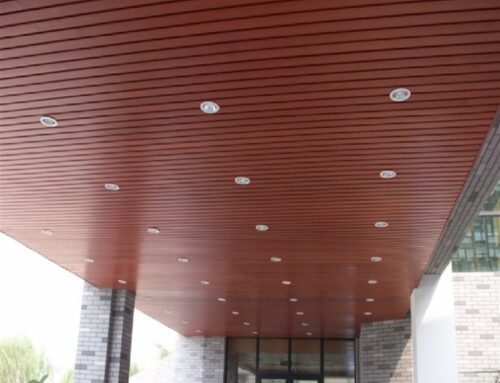
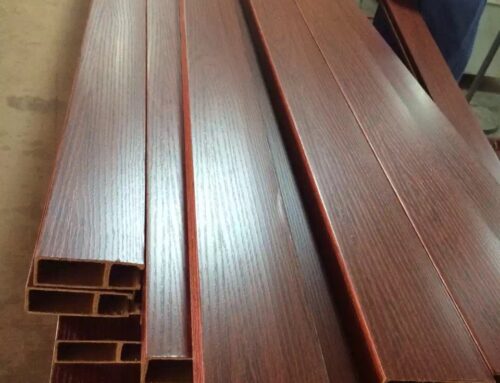
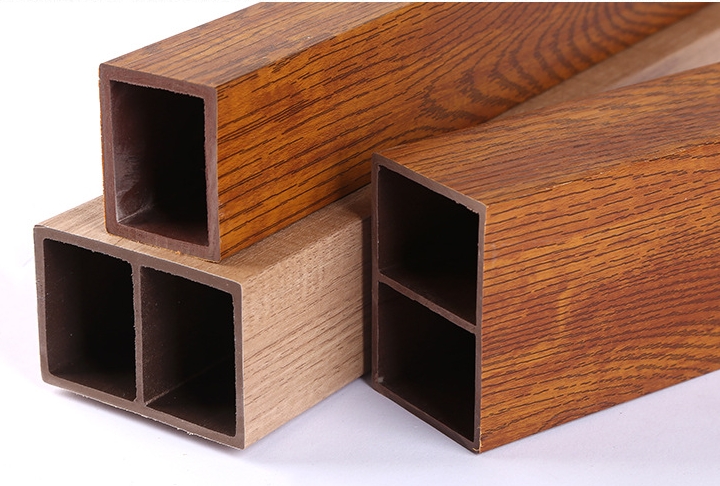
– Customization: WPC tubes can be produced in a variety of sizes, shapes, colors, and textures. Higher-end products with specialized textures (wood grain, custom finishes) or color consistency may involve additional processes and costs.
– Additives for Performance: Additional costs are incurred when adding performance-enhancing features such as UV protection, fire resistance, or impact resistance. These additives can increase the price but also extend the tube’s durability and performance, making it more appealing to premium markets.
—
Average Cost Estimates
– Low-End WPC Tubes: Basic WPC tubes with minimal additives and lower-quality wood or plastic can have production costs ranging from $0.5 to $1 per linear foot.
– High-End WPC Tubes: Premium WPC tubes with advanced additives, high-quality raw materials, and enhanced features may have production costs ranging from $1.5 to $3 or more per linear foot.
This cost estimate can fluctuate significantly based on market conditions, location, and production efficiency.
—
Summary of Cost Factors:
- Raw Materials: Wood fibers and plastic resins (PVC, PE, PP), with prices influenced by the petrochemical market.
- Manufacturing: Energy, labor, and machinery costs for the extrusion process.
- Scale of Production: Larger volumes reduce per-unit costs through economies of scale.
- Transportation: Logistics costs for shipping raw materials and finished products.
- Additives and Customization: Specialized features, such as UV resistance or custom finishes, increase costs.
Overall, WPC tube production costs are heavily dependent on raw material prices, the scale of production, and the level of customization desired.

Leave A Comment