

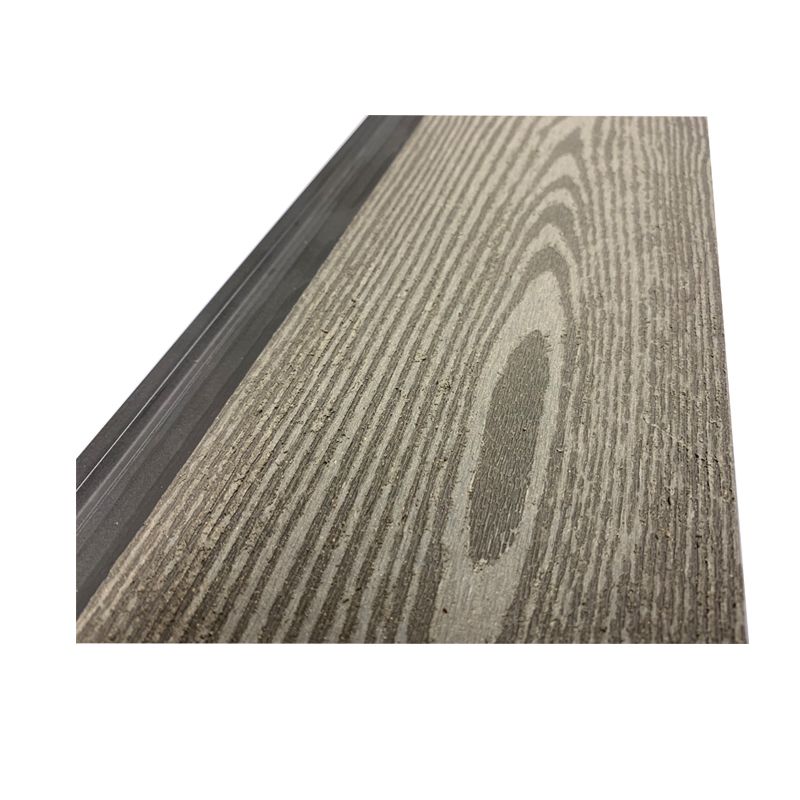
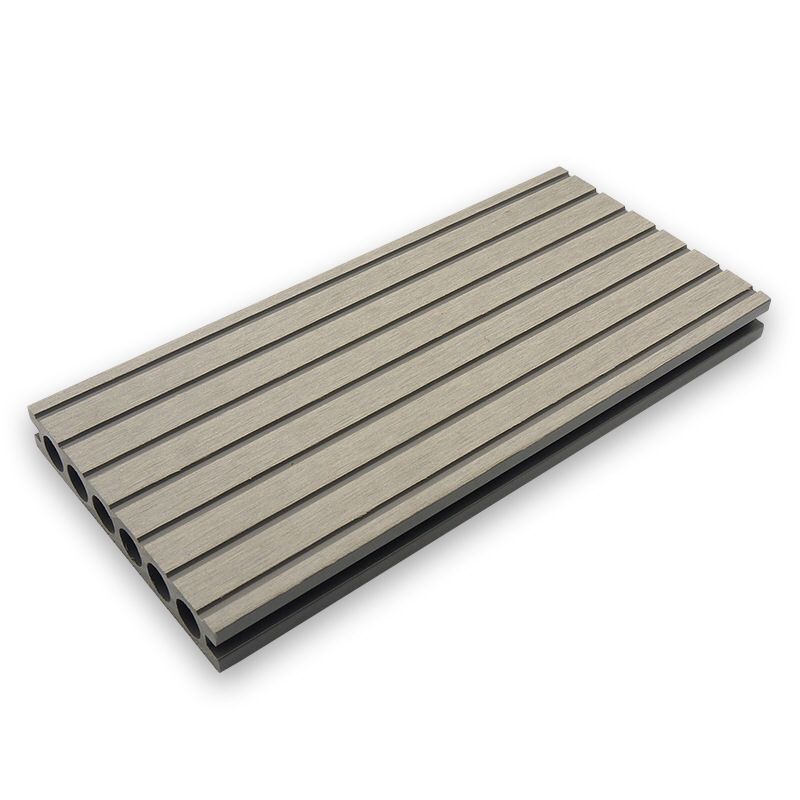
Wood-Plastic Composite (WPC) products are popular for outdoor and indoor applications due to their durability and low maintenance. Within the category of WPC, there are two main manufacturing processes: 1st generation WPC and 2nd generation (or co-extruded) WPC. Here are the key differences between the two:
1st Generation WPC
- Composition:
– Made by mixing wood fibers with plastic (usually polyethylene or PVC) to create a composite material.
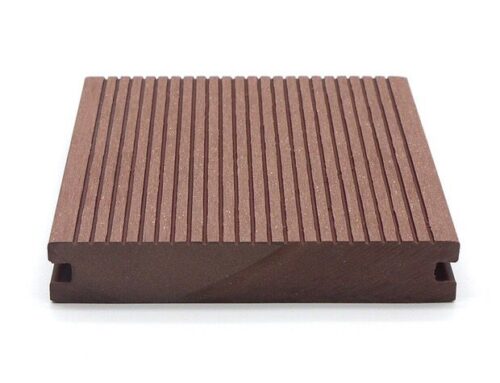
– The composite is extruded to form boards or other products without any additional protective layers.
- Surface Finish:
– Generally has a textured or embossed finish that mimics the appearance of wood but lacks a protective layer.
– The surface may be more prone to scratches, fading, and wear over time.
- Durability:
– While durable, 1st generation WPC products can be less resistant to UV rays and moisture, leading to potential degradation over time.
– May require more frequent maintenance and care to maintain appearance.
- Cost:
– Typically less expensive than co-extruded products due to simpler manufacturing processes.
- Applications:
– Commonly used for decking, fencing, and other outdoor applications where aesthetics and cost are significant factors.
2nd Generation (Co-Extruded) WPC
- Composition:
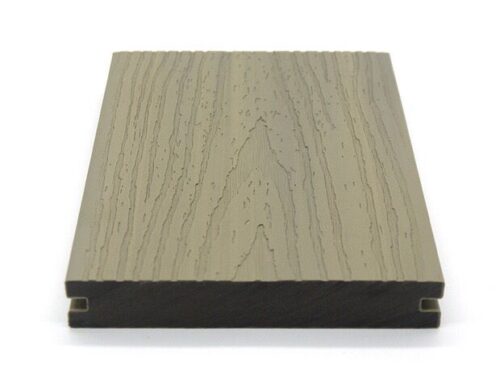
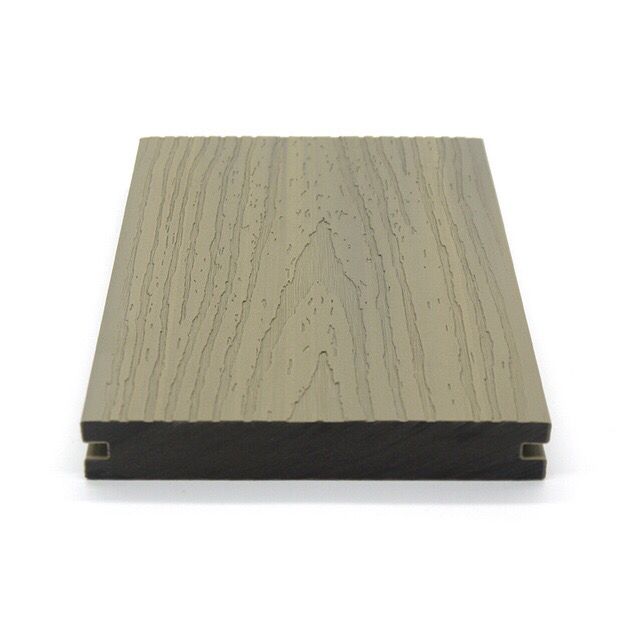
– Involves a co-extrusion process where a protective layer (often made from a higher-quality polymer) is applied over the WPC core during manufacturing.
– The outer layer is typically made from a blend of materials designed to enhance durability and aesthetics.
- Surface Finish:
– The co-extruded layer provides a smoother, more polished surface that can better mimic the look of real wood.
– The surface is often treated with UV stabilizers and anti-fading agents, enhancing its color retention and aesthetic appeal.
- Durability:
– Co-extruded WPC products are more resistant to moisture, UV rays, and environmental factors, leading to improved longevity.
– The protective layer helps prevent scratches, stains, and fading, requiring less maintenance over time.
- Cost:
– Typically more expensive than 1st generation WPC due to the additional materials and manufacturing processes involved.
- Applications:
– Ideal for high-end residential and commercial applications where durability and appearance are critical, such as premium decking, facades, and furniture.
Summary of Key Differences
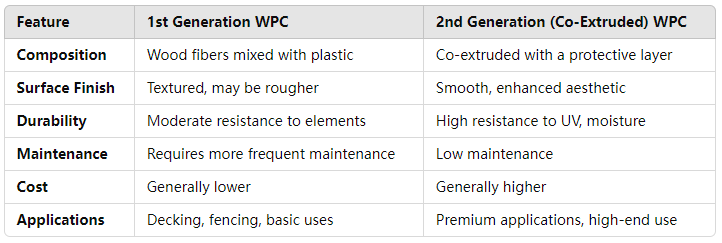
| Feature | 1st Generation WPC | 2nd Generation (Co-Extruded) WPC |
|———————————-|———————————–|———————————–|
| Composition | Wood fibers mixed with plastic | Co-extruded with a protective layer|
| Surface Finish | Textured, may be rougher | Smooth, enhanced aesthetic |
| Durability | Moderate resistance to elements | High resistance to UV, moisture |
| Maintenance | Requires more frequent maintenance | Low maintenance |
| Cost | Generally lower | Generally higher |
| Applications | Decking, fencing, basic uses | Premium applications, high-end use |
Conclusion
In summary, the primary difference between 1st generation and 2nd generation (co-extruded) WPC products lies in their construction and surface treatment, which directly impacts their durability, appearance, maintenance needs, and cost. When choosing between the two, consider the specific application, desired aesthetics, and budget to determine the best fit for your project.

Leave A Comment