
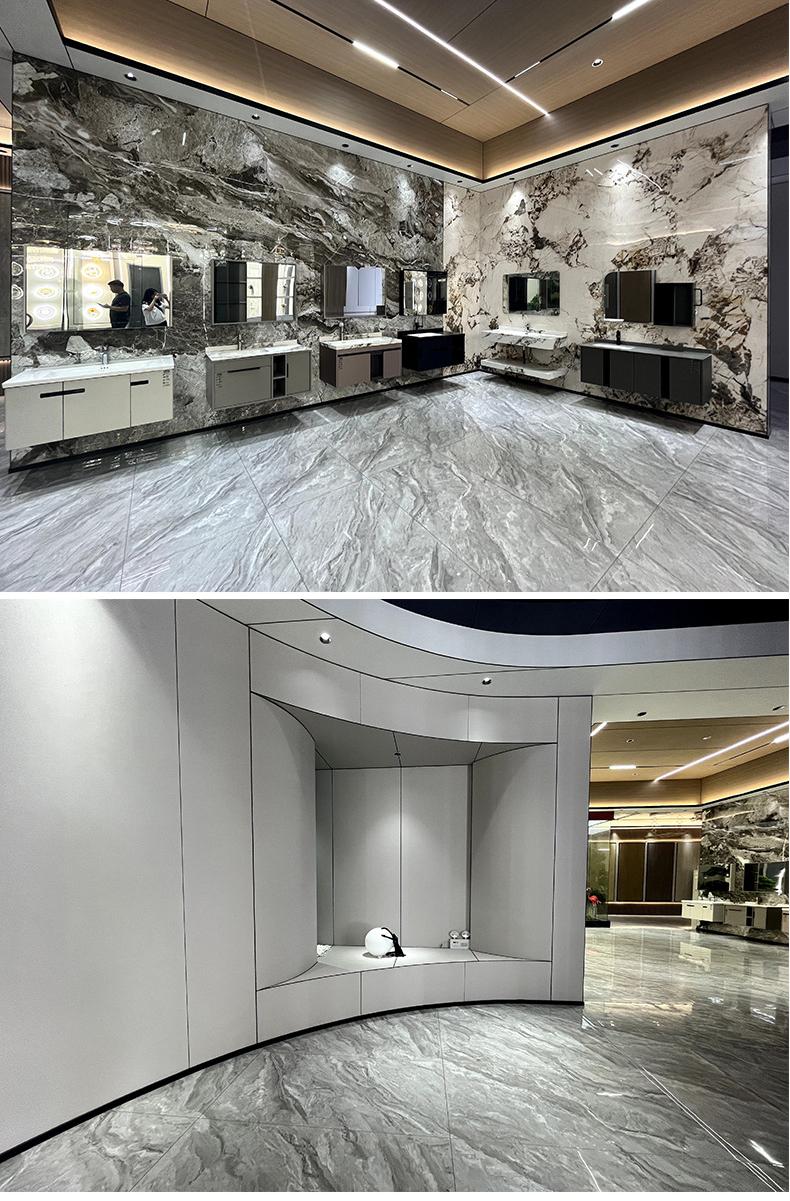
1.Bamboo charcoal boards offer several distinct advantages when compared to other materials like traditional wood, plastic, gypsum, and MDF (Medium-Density Fiberboard). Below are the advantages of bamboo charcoal boards in comparison to these common alternatives:
- Environmental Sustainability:
- – Bamboo Charcoal Board: Bamboo is a highly renewable resource that grows much faster than traditional timber, making it an eco-friendly choice. Bamboo is harvested without killing the plant, allowing it to regrow. The charcoal is made from bamboo waste, reducing material wastage.
- – Wood: While wood is natural, it often involves deforestation and slow regrowth, especially for hardwoods.
- – Plastic: Made from petrochemicals, plastics are non-biodegradable and contribute to environmental pollution.
- – Gypsum/Plasterboard: Gypsum is not renewable and its extraction can have environmental impacts.
- – MDF: Made from wood fibers and synthetic resins, MDF production involves the use of formaldehyde, which can contribute to indoor air pollution.
- Air Purification and Health Benefits:
- – Bamboo Charcoal Board: Bamboo charcoal has a porous structure that absorbs pollutants, such as formaldehyde, benzene, and volatile organic compounds (VOCs). It also helps to neutralize odors and regulate indoor humidity, improving air quality.
- – Wood: Natural wood can also regulate humidity but lacks the air purification properties of bamboo charcoal.
- – Plastic: Plastic does not contribute to air purification and may even release harmful chemicals, especially when exposed to heat.
- – Gypsum/Plasterboard: This material does not have any air purification properties and may harbor mold in damp environments.
- – MDF: MDF can emit formaldehyde over time, which is harmful to indoor air quality.
- Moisture and Mold Resistance:
- – Bamboo Charcoal Board: Due to its ability to absorb excess moisture and release it in dry conditions, bamboo charcoal boards are highly resistant to mold and mildew growth. This makes them ideal for humid environments like bathrooms and kitchens.
- – Wood: Wood can absorb moisture, leading to warping, mold, and decay over time, especially in high-humidity areas.
- – Plastic: Plastic is generally water-resistant but can trap moisture behind surfaces, promoting mold growth in hidden areas.
- – Gypsum/Plasterboard: Gypsum is susceptible to moisture damage and mold, especially in damp areas.
- – MDF: MDF is highly sensitive to moisture and can swell or deteriorate when exposed to water.
- Durability and Strength:
- – Bamboo Charcoal Board: These boards are highly durable, resistant to wear, and less likely to crack or warp compared to traditional wood or MDF. They also resist insect damage, thanks to the carbonization process.
- – Wood: High-quality hardwoods are durable but can be prone to insect infestation and warping over time.
- – Plastic: Plastic can be durable but tends to scratch and degrade over time, especially when exposed to UV light.
- – Gypsum/Plasterboard: Gypsum is not very strong and is prone to cracking, chipping, and denting.
- – MDF: MDF is fairly strong but not as durable as bamboo charcoal, especially in humid conditions, where it can deteriorate quickly.
- Fire Resistance:
- – Bamboo Charcoal Board: Bamboo charcoal has good fire resistance due to its carbonization process, making it safer in fire-prone areas compared to untreated wood.
- – Wood: Wood is flammable unless treated with fire retardants.
- – Plastic: Plastic can melt or emit toxic fumes when exposed to high heat or fire.
- – Gypsum/Plasterboard: Gypsum is generally fire-resistant, which is a key advantage.
- – MDF: MDF is flammable unless treated with fire retardants.
- Lightweight and Ease of Installation:
- – Bamboo Charcoal Board: Despite its strength, bamboo charcoal boards are relatively lightweight, making them easy to transport and install.
- – Wood: Wood can be heavier, particularly hardwood varieties, which may complicate handling and installation.
- – Plastic: Plastic is usually lightweight, but can be brittle or difficult to install in certain applications.
- – Gypsum/Plasterboard: Gypsum boards are relatively light but fragile, making installation more delicate.
- – MDF: MDF is denser and heavier than both bamboo charcoal and plywood, making it more difficult to install.
- Aesthetic and Design Flexibility:
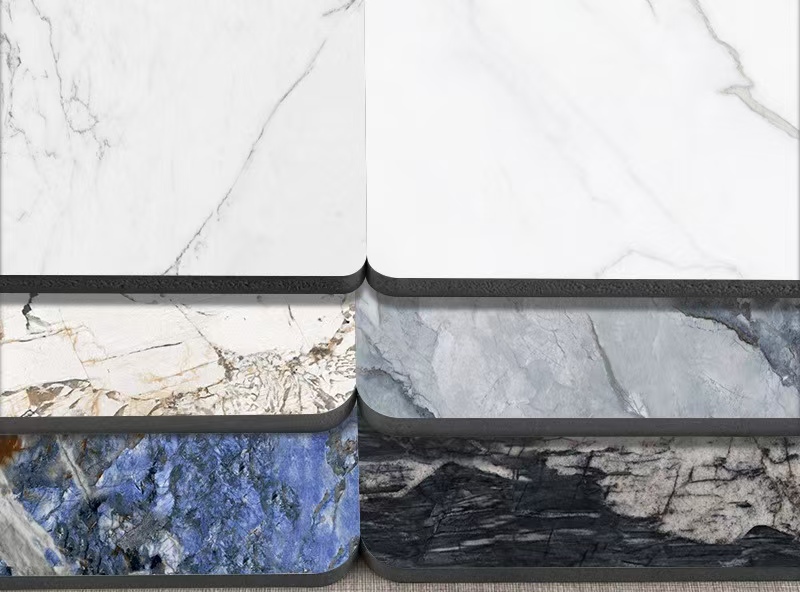
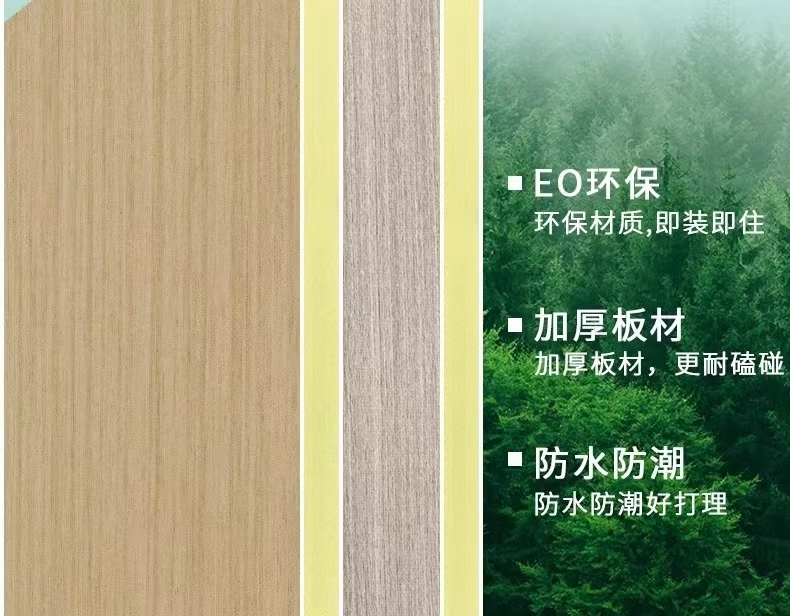
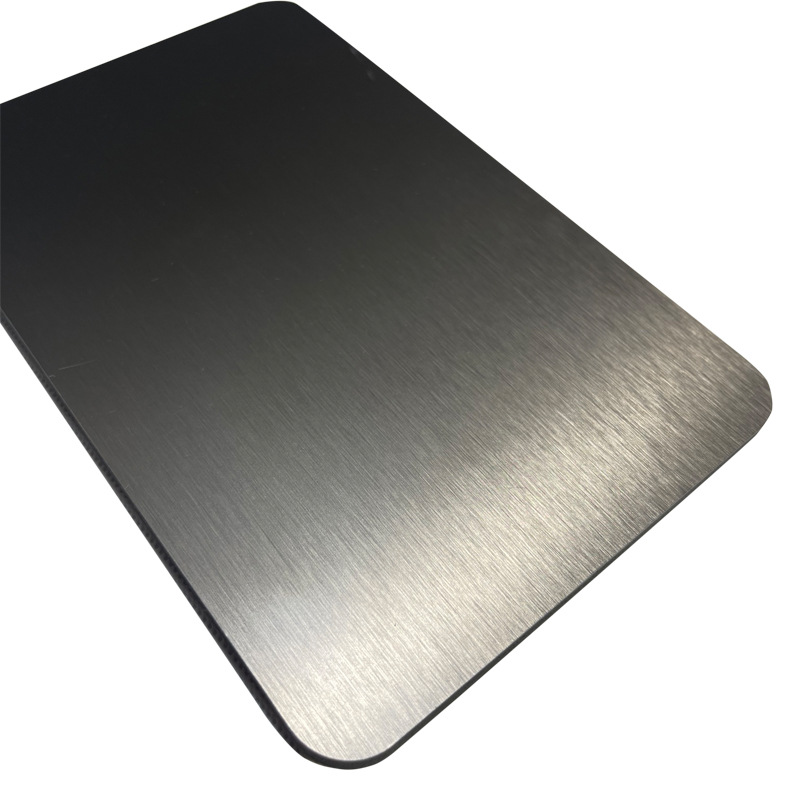
- – Bamboo Charcoal Board: Bamboo charcoal boards come in natural dark, charcoal shades, offering a modern, sleek, and rustic aesthetic. They can also be shaped, painted, or treated for various decorative effects.
- – Wood: Wood offers a natural and traditional aesthetic, but requires staining and finishing for durability.
- – Plastic: Plastic can be molded into various shapes and colors, but may lack the natural, high-end look of bamboo charcoal or wood.
- – Gypsum/Plasterboard: Gypsum is usually finished with paint or wallpaper, offering design flexibility, but lacks natural texture.
- – MDF: MDF is smooth and easy to paint or veneer, but lacks the natural grain of wood or bamboo.
- Cost Efficiency:
- – Bamboo Charcoal Board: Bamboo charcoal boards are relatively affordable, especially compared to high-quality hardwood or custom-finished MDF. They offer a good balance of durability, sustainability, and aesthetic appeal.
- – Wood: Hardwood can be expensive, especially rare or exotic varieties.
- – Plastic: Plastic materials are often cheaper upfront but may require frequent replacement due to wear or degradation.
- – Gypsum/Plasterboard: Gypsum is relatively cheap but may not offer long-term durability in moisture-prone areas.
- – MDF: MDF is cost-effective but lacks moisture resistance, which can lead to additional costs for waterproofing or replacement.
- Summary of Advantages:
- – Bamboo charcoal boards stand out for their eco-friendliness, air purification, moisture resistance, durability, and fire safety. These characteristics make them a versatile material suited for various applications, offering a balance of performance, sustainability, and aesthetics that is hard to match with traditional materials like wood, plastic, gypsum, or MDF.


Leave A Comment