
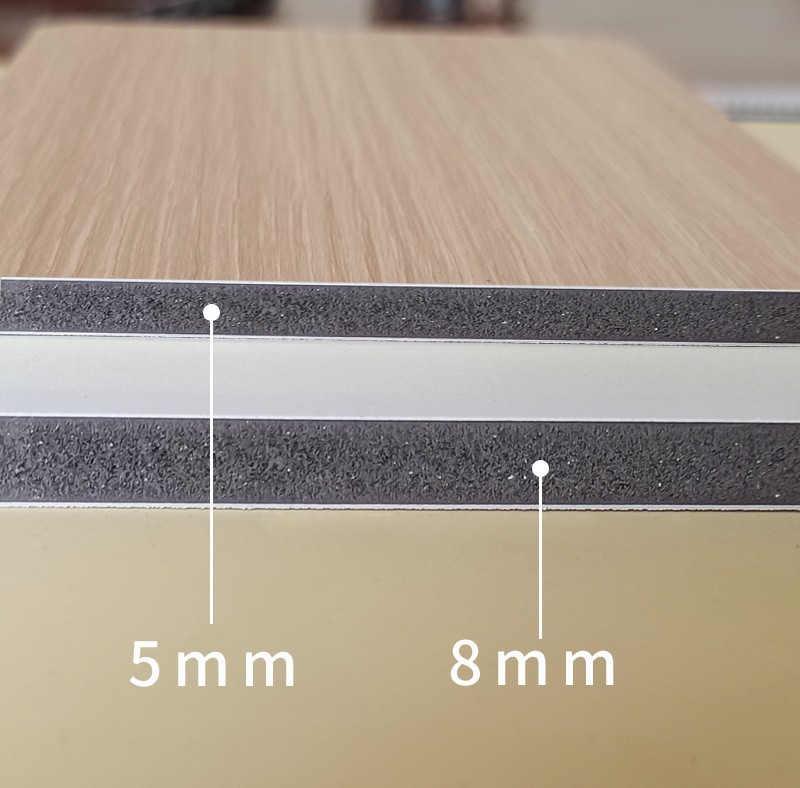
The production cost of bamboo charcoal boards can vary significantly depending on several factors such as the raw materials, manufacturing process, location, and scale of production. While it’s difficult to pinpoint an exact cost without specific details, below are some key elements that affect the production cost:
Factors Affecting Production Cost:
- Raw Material Costs:
– Bamboo sourcing: The cost of bamboo can vary by region and availability. Bamboo is generally inexpensive and renewable, which helps keep raw material costs lower than hardwoods.
– Charcoal production: The process of carbonizing bamboo to create bamboo charcoal adds to the cost. The temperature and time required for carbonization impact the energy costs involved.
- Manufacturing Process:
– Energy Consumption: The carbonization process requires high heat, which can lead to significant energy costs, particularly in areas with expensive energy resources.
– Machinery and Equipment: Modern manufacturing facilities with efficient machinery may reduce labor costs but could require high initial capital investments.
– Labor: Labor costs for production vary based on location. In regions with lower labor costs, the overall production cost is lower, while in areas with higher wages, the costs may rise.
- Technology and Additives:
– Some manufacturers may add binders, resins, or finishes to the boards to enhance durability, moisture resistance, or aesthetic appeal. The cost of these additives and the complexity of the technology used can increase the production cost.
- Size and Thickness:
– Thicker or larger boards require more raw material and longer processing times, thus increasing the cost of production.
- Location and Transportation:
– The geographic location of the production facility plays a role in the cost. Regions with abundant bamboo and lower energy costs will have cheaper production. Additionally, transportation costs (both for raw materials and final products) affect the total production cost.
- Economies of Scale:
– Large-scale production usually benefits from economies of scale, where the cost per unit decreases as production increases. Smaller manufacturers may face higher production costs due to limited output.
Estimated Production Costs:
– For basic bamboo charcoal boards, production costs can range from $2 to $5 per square foot.
– For high-end, treated, or custom bamboo charcoal boards, the cost could range from $5 to $10 or more per square foot, depending on additional finishes, treatments, or design elements.
These figures are rough estimates, and the actual production costs can vary widely based on the factors mentioned. It’s important to note that production cost does not necessarily reflect the final retail price, as manufacturers need to account for other expenses like marketing, distribution, and profit margins.


Leave A Comment