
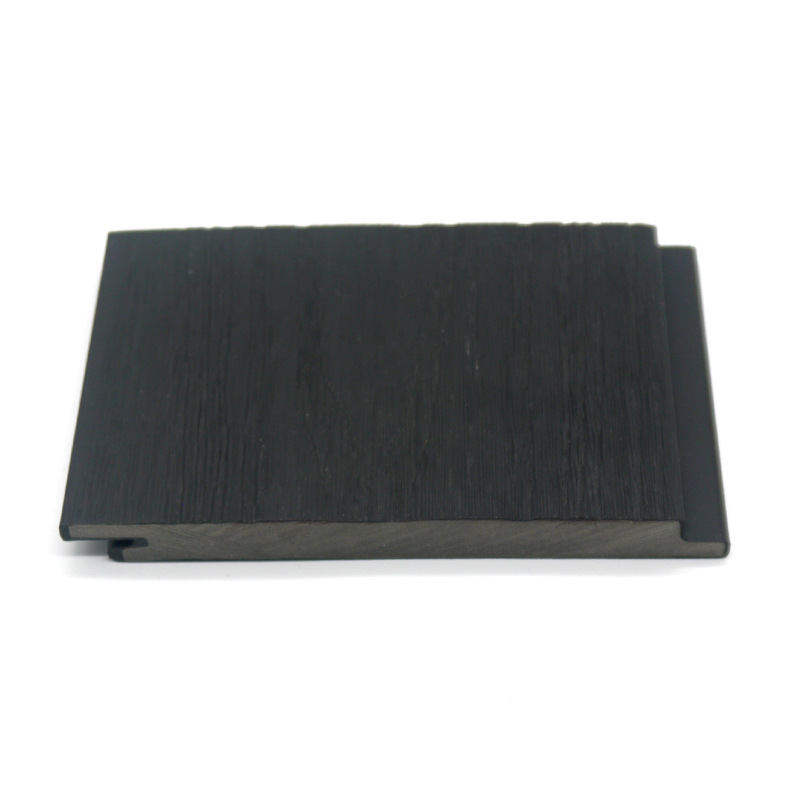
Wood Plastic Composite (WPC) products offer several advantages over other materials, such as natural wood, PVC, metal, and concrete. These benefits make WPC a popular choice in various industries, including construction, landscaping, furniture manufacturing, and more. Below is a comparison of WPC products with other common materials, highlighting their unique advantages.
—
Advantages of Wood Plastic Composite (WPC) Compared to Other Materials
# 1. WPC vs. Natural Wood
Advantages of WPC:
– Moisture Resistance: WPC is far more resistant to water and moisture than natural wood, making it ideal for outdoor applications where it won’t rot, warp, or swell when exposed to rain, snow, or humidity.
– Insect Resistance: WPC is impervious to termite and insect damage, a common problem with natural wood.
– Low Maintenance: Unlike wood, which requires regular sealing, painting, or staining, WPC requires minimal maintenance. Simple cleaning with water and soap is typically sufficient.
– Longer Lifespan: WPC generally lasts longer than untreated wood because it doesn’t degrade easily in harsh weather conditions.
– Splinter-Free: WPC is safer for areas like decking or playgrounds as it doesn’t splinter like wood, making it more comfortable to walk or play on.
– Sustainability: WPC products are often made from recycled wood fibers and plastics, making them more environmentally friendly. The use of recycled materials reduces the demand for new timber and virgin plastic.
– Consistent Quality: WPC is a manufactured material, so it has consistent density, appearance, and performance. Natural wood may have imperfections, knots, and variations in grain.
# 2. WPC vs. PVC (Polyvinyl Chloride)
Advantages of WPC:
– Natural Appearance: WPC mimics the appearance of real wood, providing a more natural, aesthetic finish than PVC, which often looks artificial and plastic-like.
– Less Prone to Warping: WPC is generally more dimensionally stable than PVC, which can warp or expand in extreme temperature changes.
– Eco-Friendliness: WPC is typically made from a combination of recycled wood fibers and plastic, while PVC is entirely synthetic and often derived from non-renewable petroleum products.
– Texture and Grip: WPC can have a textured, slip-resistant surface, making it safer in wet environments like around pools or outdoor decks. PVC, on the other hand, can become slippery when wet.
# 3. WPC vs. Metal (Steel or Aluminum)
Advantages of WPC:
– Corrosion Resistance: WPC is not susceptible to rust or corrosion, unlike metals, which can deteriorate in humid or coastal environments without proper protection.
– Thermal Comfort: Metal surfaces can become extremely hot or cold, depending on the weather, making them uncomfortable to touch. WPC maintains a more moderate surface temperature, even in direct sunlight.
– Aesthetic Appeal: WPC offers a more natural and warmer appearance compared to the industrial look of metal. It is a better match for residential and landscape applications where aesthetics are important.
– Noise Reduction: Metal structures can be noisy when struck or impacted, whereas WPC absorbs sound, creating a quieter environment in outdoor settings.
– Easier to Work With: WPC can be cut, drilled, and shaped using traditional woodworking tools, while metal often requires specialized equipment.
# 4. WPC vs. Concrete
Advantages of WPC:
– Weight: WPC is significantly lighter than concrete, making it easier to handle, transport, and install. This reduces labor and installation costs.
– Flexibility in Design: WPC can be molded into a variety of shapes, textures, and colors, offering more design flexibility than concrete.
– Temperature Control: WPC does not retain as much heat as concrete, making it more comfortable for outdoor applications like decking or walkways.
– Aesthetic Appeal: While concrete can be textured and colored, WPC provides a more natural, wood-like appearance, which is often preferred for outdoor and residential applications.
– Less Cracking: Concrete can crack over time due to settling or temperature changes, while WPC is more flexible and resists cracking.
# 5. WPC vs. Other Composites (Fiber Cement, Composite Wood)
Advantages of WPC:
– Moisture Resistance: WPC is more moisture-resistant than fiber cement, which can absorb water and deteriorate over time.
– Ease of Installation: WPC is easier to work with compared to fiber cement, which is heavy and brittle. WPC can be installed with standard woodworking tools and is lighter to handle.
– No Harmful Dust: Fiber cement can release harmful silica dust when cut, requiring special precautions during installation. WPC doesn’t pose this risk.
– Eco-Friendly: WPC is made from recycled materials, often giving it a greener footprint than composite wood products, which might use formaldehyde-based adhesives or non-recycled plastics.
—
Additional Advantages of WPC Products
- Durability: WPC products are highly durable and withstand wear and tear in both indoor and outdoor environments. Their resilience to physical damage like scratching and denting is greater than that of natural wood.
- Weather Resistance: WPC is highly resistant to extreme weather conditions, including UV rays, rain, snow, and humidity. UV inhibitors in WPC prevent significant color fading when exposed to sunlight.
- Fire Retardancy: WPC can be made with fire-retardant additives, offering better fire resistance than natural wood or other plastic products.
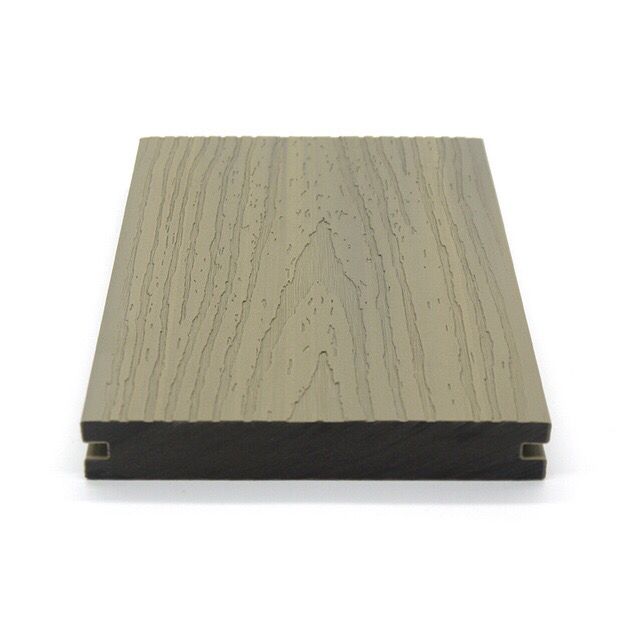
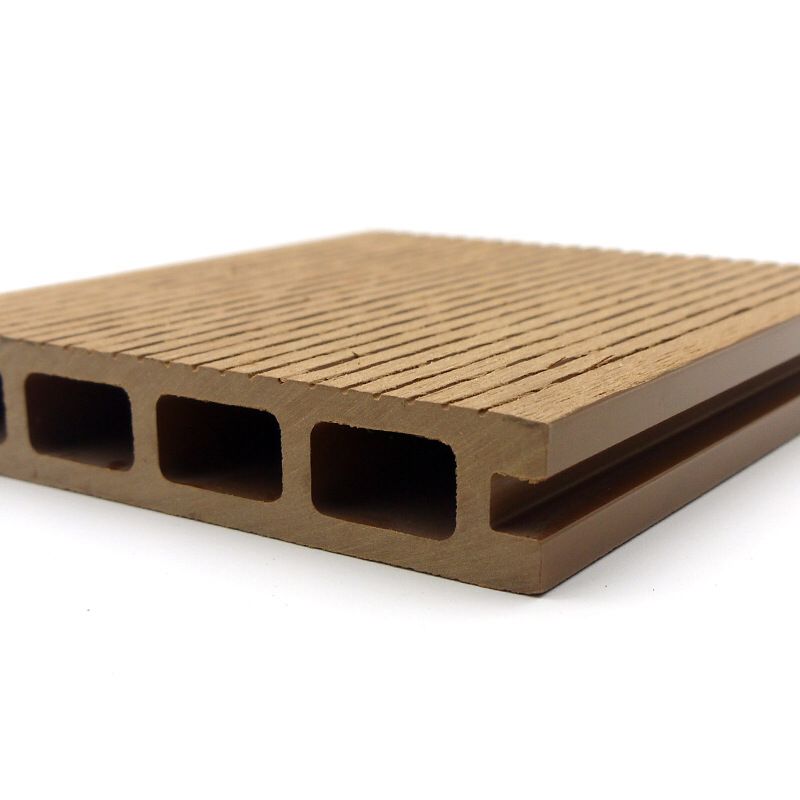
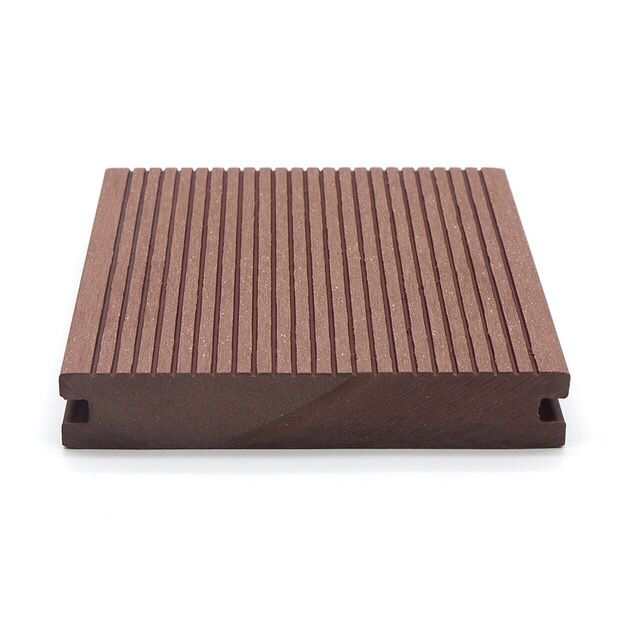
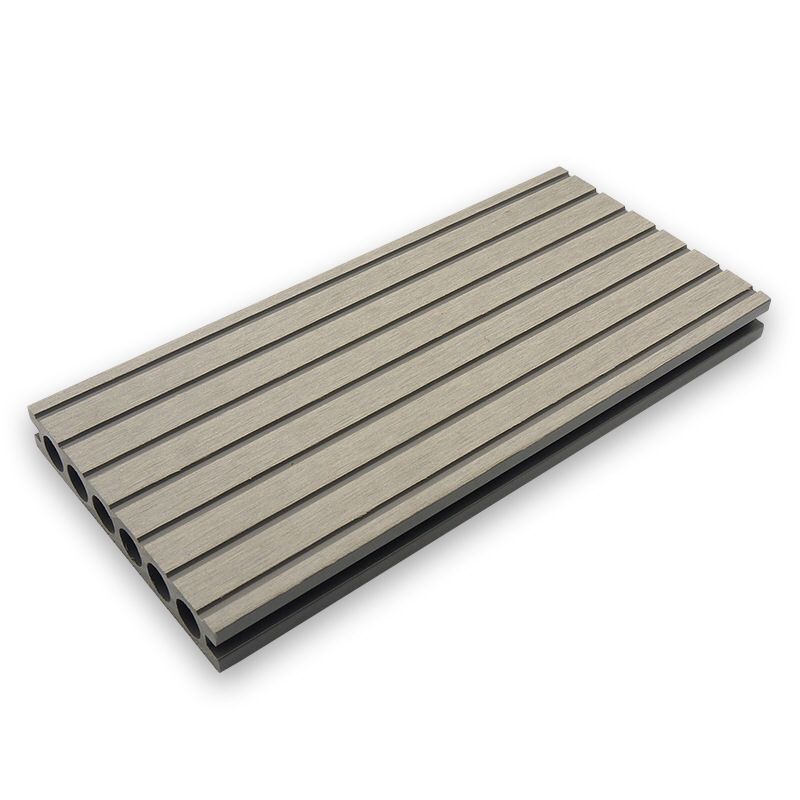
- Customizable Appearance: WPC is available in a wide range of colors, textures, and finishes. It can be made to mimic various wood grains or achieve modern designs, offering design flexibility for architects and homeowners.
- Termite and Pest Resistance: WPC is not affected by pests like termites or wood-boring insects, making it more reliable for long-term outdoor use compared to natural wood.
- Recyclable: Many WPC products can be recycled after use, contributing to a circular economy. The use of recycled plastics and wood waste in their production also makes them an environmentally conscious option.
—
Conclusion
WPC products offer a combination of the aesthetic appeal of wood, the durability of plastic, and the sustainability of recycled materials. They stand out against traditional materials like natural wood, PVC, metal, and concrete by providing superior moisture resistance, low maintenance, and long-term durability. These advantages make WPC an ideal choice for a wide range of applications, from outdoor decking to fencing, siding, and furniture, where durability, aesthetics, and sustainability are key considerations.
How to prolong the service life of wood plastic products
Prolonging the service life of Wood Plastic Composite (WPC) products involves a combination of proper installation, regular maintenance, and protecting the material from extreme environmental conditions. Though WPC is highly durable and low-maintenance compared to traditional wood, taking these extra measures can further extend its lifespan.
Ways to Prolong the Service Life of WPC Products
# 1. Proper Installation
– Allow for Thermal Expansion: WPC expands and contracts with temperature changes, so it’s essential to leave expansion gaps between boards during installation. This prevents warping or buckling over time.
– Use Appropriate Fasteners: Use stainless steel screws or fasteners that are resistant to corrosion, especially for outdoor installations like decking or fencing. Corrosion-resistant fasteners prevent rusting and ensure structural integrity over time.
– Follow Manufacturer Guidelines: Always follow the manufacturer’s installation guidelines to ensure the product is installed correctly and in line with its intended use. This includes recommended spacing, joist support, and fastening methods.
– Ventilation: Ensure proper airflow underneath decks or around panels to avoid trapping moisture, which could degrade the material over time.
# 2. Regular Cleaning and Maintenance
– Routine Cleaning: Clean WPC products regularly with mild soap and water or a gentle deck cleaner. This helps to remove dirt, debris, and organic material like leaves or pollen that can lead to mildew growth.
– Avoid Harsh Chemicals: Do not use harsh chemicals, solvents, or abrasive cleaners, as these can damage the surface of the WPC. Stick to gentle cleaning agents that are safe for composite materials.
– Prevent Mold and Mildew: While WPC is resistant to mold, areas with excessive moisture may still experience some growth on the surface. Clean mold or mildew spots promptly to prevent discoloration and ensure longevity.
– Remove Stains Promptly: Any oil, grease, or food spills should be cleaned as soon as possible to avoid long-term staining. Specialized composite deck cleaners are available for tougher stains.
# 3. Protect from Harsh UV Exposure
– UV-Resistant Coatings: While WPC products are often treated with UV inhibitors, additional protection can be applied by using UV-resistant coatings or finishes designed for composite materials. These coatings can reduce fading and surface wear caused by prolonged sun exposure.
– Shading: Consider using shading structures like pergolas, umbrellas, or awnings to protect WPC decks or panels from direct sunlight. This can reduce surface fading and thermal expansion caused by high temperatures.
# 4. Minimize Water Accumulation
– Proper Drainage: Ensure there is proper drainage around WPC decking or outdoor applications to prevent water from pooling. Standing water can accelerate surface wear and promote the growth of mold or mildew.
– Slope the Deck Surface: When installing WPC decking, ensure there is a slight slope for water runoff. This prevents water from pooling on the deck surface, reducing the risk of long-term water damage.
– Seal Cut Ends: For WPC products with exposed cut ends (such as decking boards), use a sealer to protect the composite core from water ingress. This is especially important in humid or rainy environments.
# 5. Avoid Excessive Weight and Impact
– Limit Heavy Loads: WPC is strong, but excessive loads or impacts can damage the material over time. Avoid placing extremely heavy furniture or objects on WPC surfaces for extended periods, especially in one concentrated area.
– Protect from Sharp Objects: Minimize damage by avoiding dragging sharp or heavy objects across the surface. Use protective pads under furniture to prevent scratching or denting.
# 6. Regular Inspection
– Inspect Fasteners: Over time, fasteners and screws may loosen due to thermal expansion and contraction. Regularly inspect the fasteners and tighten them if necessary to prevent structural issues.
– Check for Damage: Regularly inspect the WPC products for cracks, splintering, or other signs of damage. Addressing small issues early can prevent them from becoming larger problems that could affect the product’s longevity.
# 7. Seasonal Care for Outdoor WPC
– Winter Care: In areas with freezing temperatures, avoid using metal shovels or sharp tools to remove snow from WPC decking, as these can scratch or damage the surface. Use a plastic shovel instead.
– Snow and Ice Removal: If ice forms on WPC decking, avoid using rock salt or other harsh de-icing chemicals that can harm the composite surface. Instead, use calcium chloride-based ice melters that are safe for use on WPC.
– Avoid Pooling Water in Winter: During cold months, any pooled water can freeze and expand, causing surface cracking or damage. Ensure proper water drainage during winter.
# 8. Use Surface Enhancers and Sealants
– Composite Sealants: Some manufacturers offer sealants specifically designed for composite products. These can be applied to WPC surfaces to improve resistance to water, stains, and UV exposure.
– Surface Brighteners: If your WPC surface starts to show signs of fading due to UV exposure, you can use composite surface brighteners to restore some of the original color and sheen.
# 9. Avoid Direct Heat Sources
– Protect from Hot Objects: Avoid placing hot grills, fire pits, or other heat sources directly on WPC surfaces, as excessive heat can cause warping or discoloration. Use heat-resistant mats or barriers between heat sources and the WPC surface.
# 10. Consult Manufacturer for Specific Maintenance Tips
– Manufacturer Recommendations: Each WPC product may have different maintenance requirements depending on its material composition and intended use. Always consult the manufacturer’s guidelines for specific care instructions and recommended products for cleaning, sealing, and maintaining your WPC.
—
Summary of Key Practices
- Proper installation with expansion gaps and corrosion-resistant fasteners.
- Regular cleaning with mild soap and water, avoiding harsh chemicals.
- UV protection using additional coatings and shading.
- Effective drainage to prevent standing water.
- Minimizing heavy loads and sharp object impacts.
- Seasonal care, especially for winter maintenance.
- Routine inspection of fasteners and surfaces for early damage control.
- Application of sealants or brighteners as needed to protect the surface.
By following these practices, you can significantly extend the lifespan of your WPC products, ensuring they remain durable, aesthetically pleasing, and functional for many years.

Leave A Comment