

The production cost of Wood Plastic Composite (WPC) products can vary widely depending on several factors such as raw materials, manufacturing processes, scale of production, geographic location, and product type. To provide a general overview, here are the key components that influence the cost structure of WPC production:
Key Factors Influencing the Production Cost of WPC Products
- Raw Materials:
– Wood Fiber/Flour: WPC is composed of wood fibers or wood flour mixed with plastic. The cost of wood fibers can vary based on the type of wood used, availability, and quality. Recycled wood fibers tend to be cheaper than virgin wood.
– Plastic Resins: The type of plastic (e.g., polyethylene, polypropylene, PVC) used in the mix greatly influences production costs. Recycled plastics (often sourced from post-consumer or post-industrial waste) are typically less expensive than virgin plastics, but processing them may add extra steps and costs.
– Additives: Various additives like UV stabilizers, colorants, coupling agents, and fire retardants are used to enhance the performance and appearance of WPC products. These additives increase the overall cost but improve durability and aesthetic appeal.
– Cost Breakdown (approximate values for general estimation):
– Wood fibers: 20-30% of total raw material cost.
– Plastic resins: 40-50% of total raw material cost.
– Additives: 5-15% depending on the specific formulations.
- Manufacturing Process:
– Extrusion and Molding: The primary method for producing WPC products is through extrusion, where the raw materials are mixed and formed into specific shapes. Other methods like injection molding are used for specialized parts. The extrusion process requires significant energy and machinery investment, which contributes to the cost.
– Tooling and Molds: Custom molds and dies are needed to create specific shapes and profiles. These are capital-intensive investments, especially for custom designs or new products.
– Quality Control and Testing: Ensuring that the final product meets performance standards, such as moisture resistance, UV stability, and durability, may involve additional testing and quality control, adding to production costs.
- Labor Costs:
– Labor costs depend on the region of production. For instance, manufacturing in regions with lower labor costs (e.g., parts of Asia) can reduce the overall cost, whereas producing in areas with higher labor costs (e.g., North America or Europe) will raise the cost.
– Automation: Highly automated factories can significantly reduce labor costs but require an upfront investment in technology.
- Energy Consumption:
– WPC production is energy-intensive due to the high temperatures needed to melt the plastic and bind it with the wood fibers. The cost of energy (electricity, fuel) can vary based on the country and its energy policies.
- Scale of Production:
– Economies of scale play a crucial role in production costs. Larger-scale production typically leads to lower per-unit costs as fixed costs (e.g., tooling, machinery) are spread across a larger volume of products.
- Location and Shipping:
– The geographic location of the production facility impacts costs related to raw material procurement, labor, and energy.
– Logistics costs, including transportation and storage, add to the overall production cost, especially if materials or finished goods need to be shipped over long distances.
—
Estimated Production Costs of WPC Products
To give you a rough idea of the production costs based on the influencing factors, the cost to produce WPC products like decking boards, siding, or fencing typically ranges between $1.50 to $5.00 per kilogram depending on the factors mentioned above.
For specific WPC products:
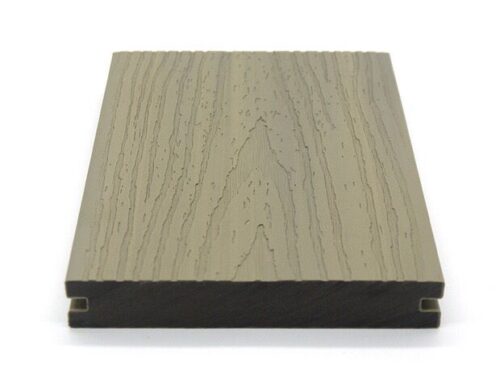
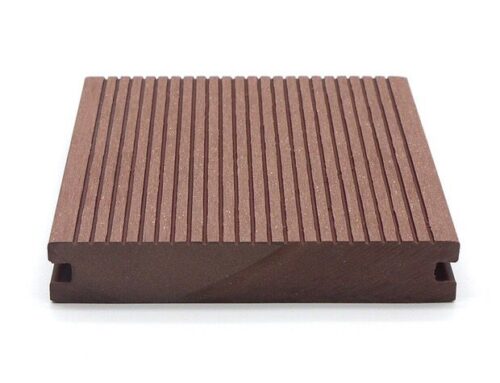
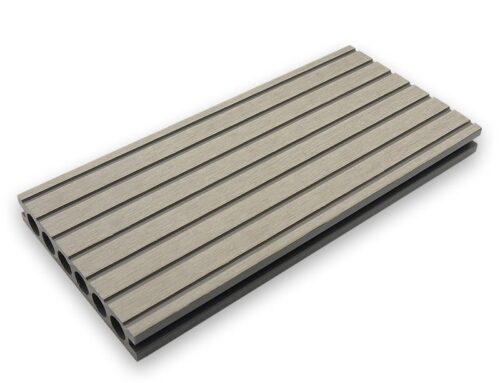
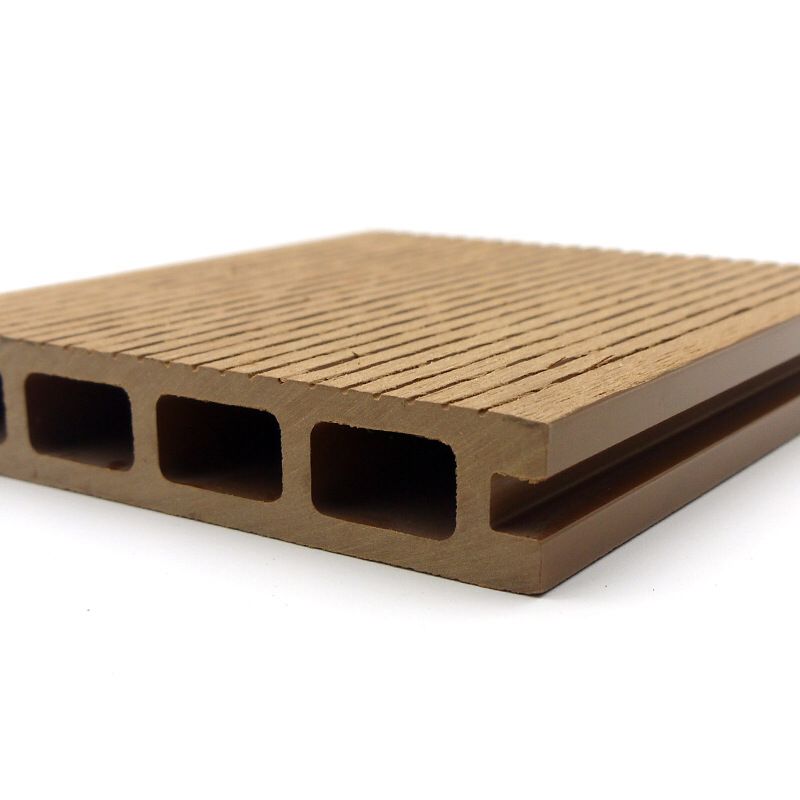
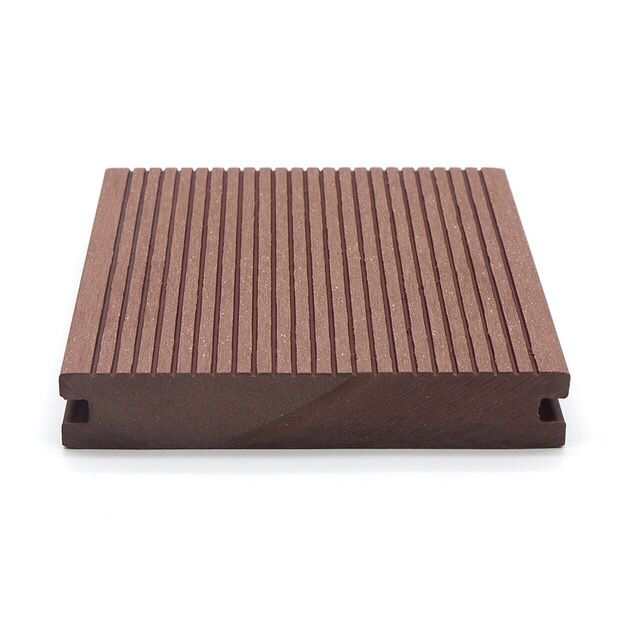
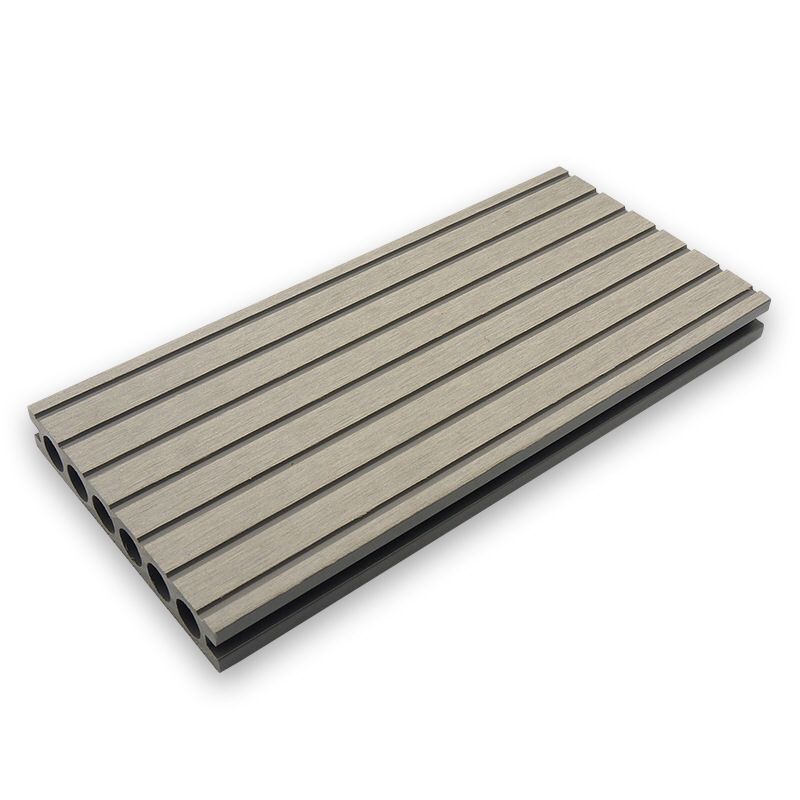
- WPC Decking Boards:
– Production cost (raw materials and manufacturing): $20 – $40 per square meter.
– This estimate includes raw material costs (wood fibers, plastic resins, additives) and manufacturing expenses (extrusion process, labor, and energy costs).
- WPC Fencing:
– Production cost: $10 – $25 per linear foot, depending on the material composition, design, and required additives (such as UV protection).
- WPC Siding/Cladding:
– Production cost: $15 – $35 per square meter, varying based on design complexity, thickness, and type of plastic used.
- WPC Interior Panels:
– Production cost: $8 – $20 per square meter. Since interior panels may not require as much UV protection or weather resistance, they tend to be slightly less expensive to produce than outdoor decking or fencing.
—
Cost Comparison with Natural Wood and Other Materials
– Natural Wood: The cost of producing natural wood products, such as timber decking or siding, can sometimes be lower initially due to less complex manufacturing processes. However, long-term costs (maintenance, replacement) for wood are higher due to the need for regular treatment, painting, or sealing.
– PVC or Composite Products: Pure PVC or synthetic composite materials tend to be in a similar or slightly lower price range than WPC, but WPC offers more of a natural look and a better balance of environmental friendliness (due to the use of recycled materials).
—
Conclusion
The production cost of WPC products depends on raw material quality, production scale, manufacturing technology, and location. Typical costs range from $20 to $40 per square meter for outdoor products like decking or fencing, with some variation based on the complexity and additives used. While WPC products may have a higher initial cost than some alternatives like wood or PVC, they offer better long-term value due to their low maintenance, durability, and environmental sustainability.

Leave A Comment