
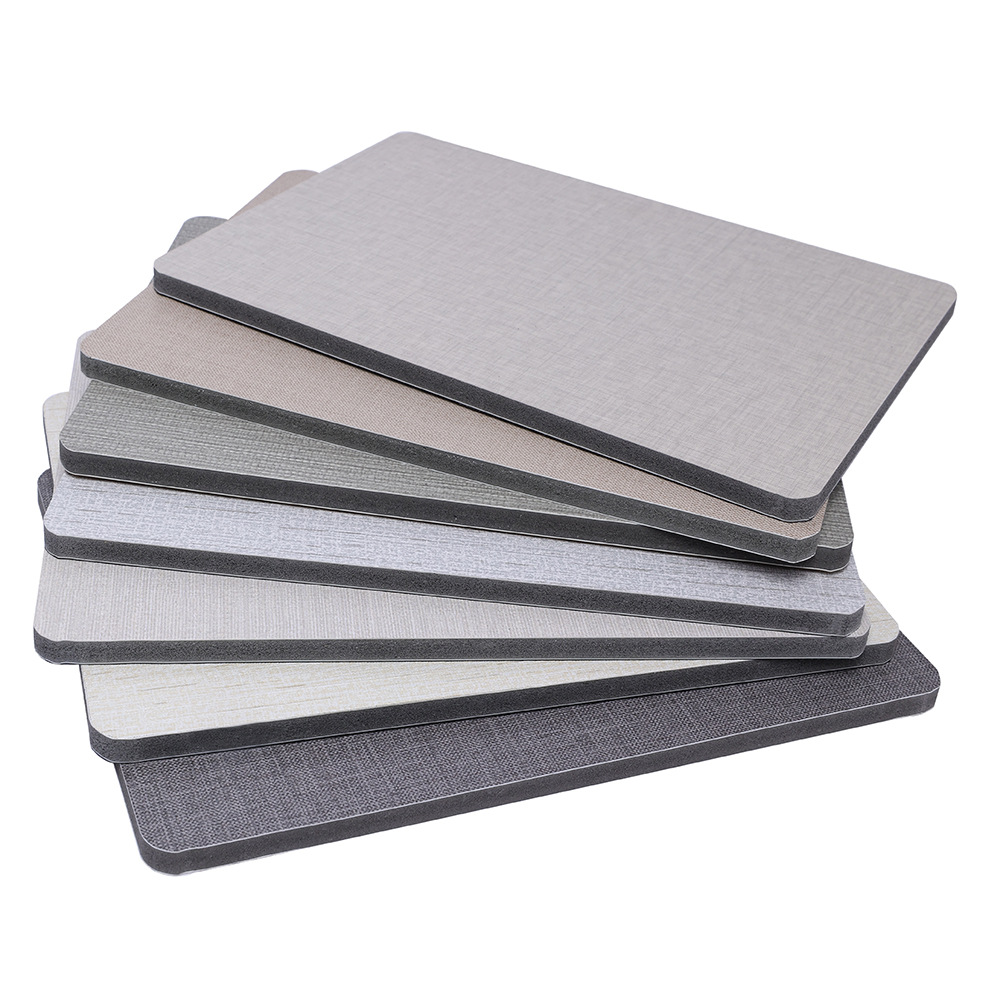
When installing and maintaining bamboo charcoal wood veneer, it is important to follow best practices to ensure long-lasting performance and aesthetic appeal. Below are key considerations for both installation and maintenance:
Installation Considerations:
# 1. Surface Preparation:
– Smooth and Clean Surface: Ensure the surface where the bamboo charcoal veneer will be installed is smooth, dry, and clean. Any dust, dirt, or moisture can affect adhesion and lead to issues such as peeling or bubbling over time.
– Proper Sealing of Substrates: If the veneer is being applied to porous materials like drywall or plywood, apply a primer or sealer to ensure better adhesion and to prevent moisture from seeping through the substrate.
# 2. Acclimatization:
– Allow Acclimation: Bamboo charcoal veneer, like any wood product, needs time to acclimate to the environment where it will be installed. Store the veneer in the installation room for at least 48 hours before installation. This allows the material to adjust to the room’s temperature and humidity, reducing the chance of warping or shrinking after installation.
# 3. Adhesives and Fasteners:
– Use the Right Adhesive: Choose an adhesive specifically formulated for wood veneer installation, such as a high-quality contact cement or wood glue. The adhesive should be applied evenly to avoid bubbles or gaps.
– Proper Application of Adhesive: Apply adhesive to both the substrate and the veneer, and allow it to become tacky before pressing the veneer in place. A veneer roller can help ensure even adhesion.
– Mechanical Fastening (Optional): If extra security is needed (e.g., on vertical installations), use small nails, staples, or screws, but make sure they are hidden or countersunk to maintain the appearance.
# 4. Cutting and Trimming:
– Use the Right Tools: Bamboo charcoal veneer can be brittle, so it’s important to use sharp tools like a fine-tooth saw or utility knife for cutting. This prevents splintering or cracking.
– Trim Edges Carefully: After the veneer is applied, carefully trim any excess using a sharp utility knife. Sand the edges lightly to smooth out any roughness, ensuring a clean finish.
# 5. Pressing and Rolling:
– Ensure Good Contact: After placing the veneer, use a veneer roller or a smooth flat object to apply even pressure, ensuring that the veneer adheres firmly to the substrate without any air pockets.
– Avoid Overstretching: Be careful not to stretch or pull the veneer during installation, as this can cause it to tear or lead to uneven adhesion.
# 6. Sealing and Finishing:
– Seal with a Protective Finish: Once installed, apply a protective finish such as a clear polyurethane or wood oil to seal the veneer. This helps protect it from moisture, stains, and wear, extending its life.
– Multiple Coats: Apply multiple coats of the protective finish, allowing each coat to dry completely before applying the next. Lightly sand between coats to ensure a smooth finish.
Maintenance Considerations:
# 1. Regular Cleaning:
– Dusting: Dust the veneer regularly using a soft, dry cloth or a microfiber cloth to prevent dust accumulation. Avoid using abrasive materials that could scratch the surface.
– Avoid Harsh Chemicals: Clean with a mild, non-abrasive cleaner. Use water with a small amount of mild soap if needed, but avoid harsh chemicals or cleaners that could damage the surface.
– Wipe Spills Immediately: Bamboo charcoal veneer is moisture-resistant, but prolonged exposure to liquids can damage it. Wipe any spills immediately with a dry cloth.
# 2. Avoiding Moisture and Humidity:
– Maintain Proper Humidity Levels: Bamboo charcoal veneer is more moisture-resistant than traditional wood veneers, but exposure to high levels of humidity over long periods can still cause warping or swelling. Keep indoor humidity levels between 40-60% to prevent moisture-related issues.
– Avoid Direct Water Contact: Do not install bamboo charcoal veneer in areas with direct water contact, such as inside showers or directly above kitchen sinks, unless it is specially treated and sealed for such environments.
# 3. Prevent Physical Damage:
– Protect from Scratches: Avoid placing sharp objects directly on the veneer surface. Use protective pads under furniture legs and avoid dragging heavy items across veneer-covered surfaces to prevent scratches or dents.
– Prevent Impact Damage: While bamboo charcoal veneer is durable, it can crack or chip if subjected to heavy impacts. Be cautious when handling large objects near veneer-covered walls or furniture.
# 4. Refinish as Needed:
– Reapply Finish: Depending on usage, the veneer’s protective finish may wear down over time. When the finish begins to dull or wear, clean the surface and reapply a new coat of finish to maintain its protection and appearance.
– Sand and Refinish: If the veneer becomes scratched or worn, lightly sand the surface with fine-grit sandpaper and reapply the protective finish. This will restore the appearance and protect the veneer from further damage.
# 5. Inspect and Repair:
– Regular Inspections: Check the veneer regularly for signs of damage, such as lifting edges, scratches, or water damage. Early detection allows you to address problems before they worsen.
– Fix Lifting Edges: If the edges of the veneer start to lift, apply a small amount of adhesive under the lifting area and press it down firmly with a roller. Hold it in place with clamps or heavy objects until the adhesive sets.
– Repair Scratches or Chips: For minor scratches, you can apply a touch-up pen or wood filler that matches the color of the veneer. Deeper chips may require filling and sanding before refinishing.
- Avoid Direct Sunlight:
– UV Protection: Prolonged exposure to direct sunlight can cause the veneer’s color to fade. Use curtains, blinds, or UV-protective films on windows to reduce sun exposure. Some finishes may also provide UV protection, but it’s best to minimize direct sunlight whenever possible.
- Avoid Excessive Heat:
– Protect from Heat: Bamboo charcoal veneer can be sensitive to high heat. Avoid placing hot objects (like pots, pans, or electronics) directly on veneer surfaces without a heat-resistant barrier. Excessive heat can cause the veneer to blister or discolor.
Summary:
– For installation, focus on proper surface preparation, acclimatization, correct adhesive application, and finishing for long-lasting results.
– For maintenance, regular cleaning, moisture control, protecting from scratches, and periodic refinishing are key to preserving the appearance and durability of bamboo charcoal wood veneer. Proper care ensures the veneer will remain in excellent condition for many years.


Leave A Comment