
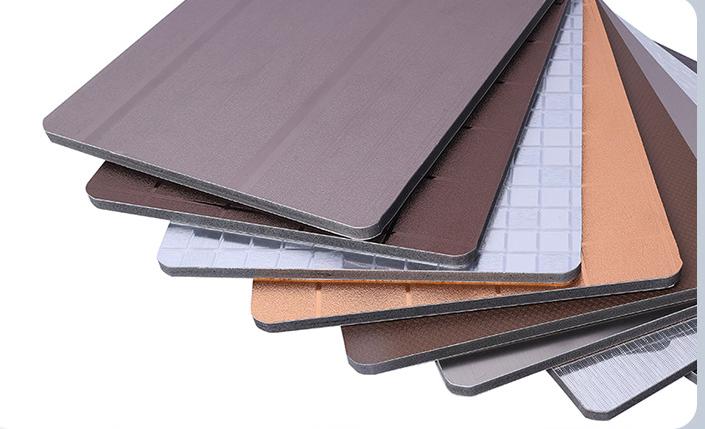
When comparing the durability of bamboo charcoal boards and solid wood boards, both materials have strengths and weaknesses depending on their applications. Below is a detailed comparison to highlight which material is more durable under various conditions:
- Moisture Resistance:
– Bamboo Charcoal Board:
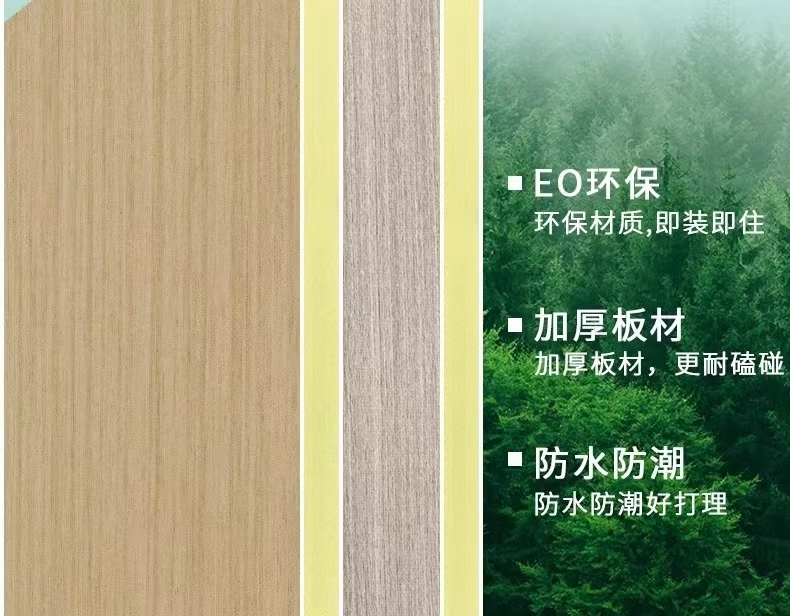
– Bamboo charcoal boards are highly moisture-resistant due to their porous structure, which allows them to absorb and release moisture. This helps them resist mold, mildew, and warping in humid environments.
– These boards are ideal for use in areas prone to moisture, such as kitchens, bathrooms, and basements.
– Solid Wood Board:
– Solid wood, especially certain species like oak, teak, and cedar, has natural moisture resistance, but most woods are prone to warping, swelling, and cracking when exposed to high humidity or water over time.
– Some solid wood boards can be treated with sealants or finishes to improve moisture resistance, but they still require regular maintenance in moist environments.
Verdict: Bamboo charcoal boards are generally more moisture-resistant and durable in high-humidity environments than solid wood boards.
- Pest Resistance:
– Bamboo Charcoal Board:
– The carbonization process that bamboo undergoes gives bamboo charcoal boards natural resistance to insects and termites. This makes them less susceptible to pest damage.
– Solid Wood Board:
– Solid wood is vulnerable to termites, wood-boring insects, and other pests, especially in untreated or unsealed conditions. Some hardwoods are naturally more pest-resistant, but most require protective treatments.
Verdict: Bamboo charcoal boards offer better natural pest resistance compared to untreated solid wood.
- Strength and Impact Resistance:
– Bamboo Charcoal Board:
– Bamboo charcoal boards are durable and resistant to wear and tear, but they may not be as strong or dense as certain types of hardwood.
– They can handle regular use in interior applications like wall panels, flooring, or furniture, but they may not withstand heavy impacts as well as some solid wood types.
– Solid Wood Board:
– High-quality hardwoods like oak, maple, and walnut are extremely strong and can resist dents, scratches, and heavy impacts better than bamboo charcoal boards. Softwoods like pine or fir are less durable in comparison.
Verdict: For impact resistance and overall strength, high-quality solid wood boards are more durable than bamboo charcoal boards.
- Fire Resistance:
– Bamboo Charcoal Board:
– Due to the carbonization process, bamboo charcoal boards have a higher fire resistance than natural solid wood. They are less likely to ignite easily and can offer better protection in fire-prone areas.
– Solid Wood Board:
– Solid wood is highly flammable unless treated with fire retardants. Different types of wood have varying fire resistance, but they generally perform worse than bamboo charcoal in this area.
Verdict: Bamboo charcoal boards are more fire-resistant than untreated solid wood boards.
- Longevity:
– Bamboo Charcoal Board:
– With proper care and maintenance, bamboo charcoal boards can last 10 to 20 years or longer, particularly in indoor environments with controlled conditions. Their resistance to moisture and pests contributes to their longevity.
– Solid Wood Board:
– High-quality hardwoods can last decades or even centuries with proper care. Solid wood is incredibly durable over time, especially when maintained with treatments like oiling, sealing, or refinishing.
– Softwoods have a shorter lifespan but can still last many years with proper care.
Verdict: High-quality solid wood generally has a longer lifespan than bamboo charcoal boards, but it depends on the wood species and how well it’s maintained.
- Maintenance:
– Bamboo Charcoal Board:
– Bamboo charcoal boards are low-maintenance, requiring only occasional cleaning and possibly resealing for moisture-prone areas. Their natural resistance to mold, pests, and fire means they need fewer interventions over time.
– Solid Wood Board:
– Solid wood requires more maintenance, including regular cleaning, refinishing, and treatments for moisture, pests, and scratches. Wood must be properly sealed and cared for to retain its durability.
Verdict: Bamboo charcoal boards are generally easier to maintain compared to solid wood boards.
- Aesthetic and Wear:
– Bamboo Charcoal Board:
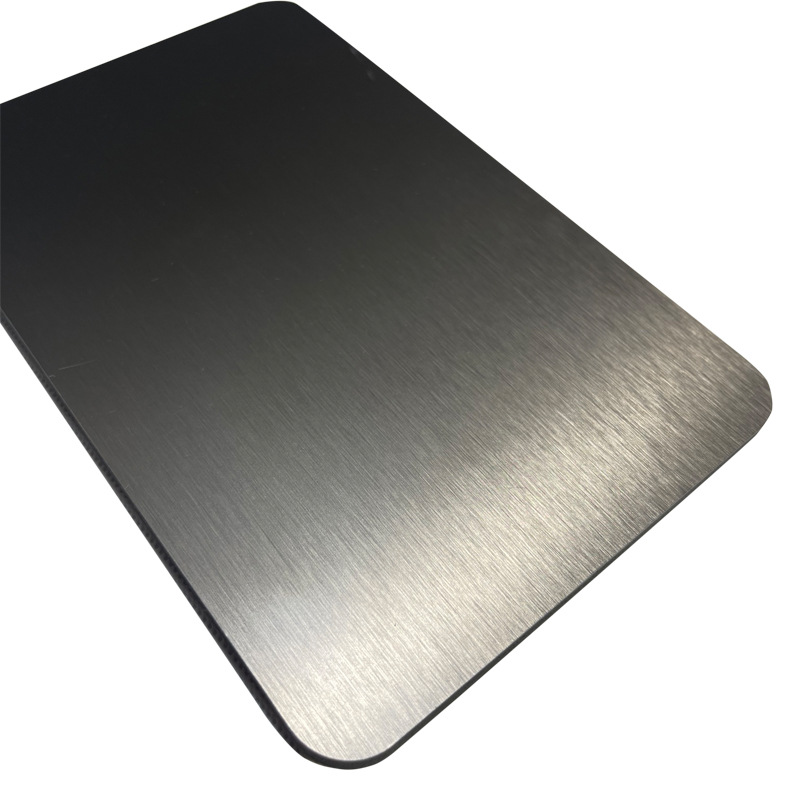
– Bamboo charcoal boards have a unique dark, modern look with a smooth finish, and they are resistant to surface wear such as scratches and dents, though not as much as some hardwoods.
– Solid Wood Board:
– Solid wood offers a timeless, natural aesthetic with beautiful grains and textures. While hardwoods are prone to scratching, they can be sanded down and refinished multiple times over their lifetime.
Verdict: For aesthetics and the ability to be refinished, solid wood offers more flexibility, though bamboo charcoal boards have a sleek and modern appeal.
Overall Verdict:
– Bamboo Charcoal Boards: More durable in moisture-rich, pest-prone, or fire-risk environments. They are also low-maintenance and eco-friendly.
– Solid Wood Boards: More durable in terms of strength, longevity, and impact resistance, particularly when using high-quality hardwood. However, they require more maintenance and are less resistant to moisture and fire.
Ultimately, the choice between bamboo charcoal boards and solid wood boards depends on the application and environment. Bamboo charcoal boards excel in areas requiring moisture, fire, and pest resistance, while solid wood is better for high-impact applications and long-term durability with proper care.


Leave A Comment